
LONDON, April 27, 2026, 09:31 BST
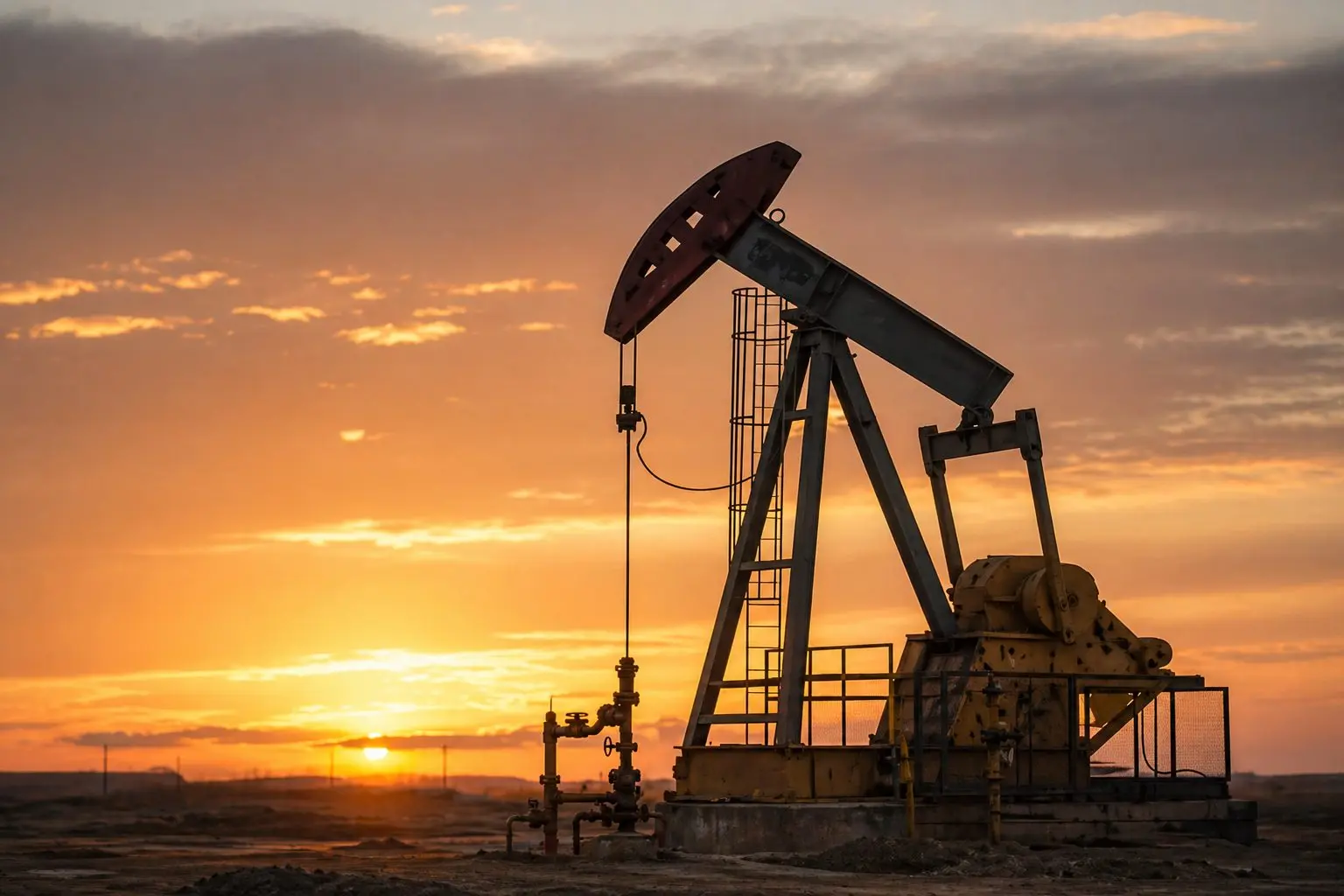
On Monday, oil prices climbed after peace talks between the U.S. and Iran hit a dead end, once again putting pressure on the Strait of Hormuz and sending Brent crude up to $107.97—the highest in three weeks during Asian hours. Brent is used as the international benchmark, while West Texas Intermediate, or WTI, remains the primary U.S. gauge.
Brent was last seen at $106.68 a barrel, up 1.3% as of 0453 GMT. WTI added 1% to reach $95.35. The prior week saw Brent spike almost 17%, with WTI up roughly 13%—both posting their steepest weekly gains since the war began. Kpler’s shipping data pointed to just a single oil-products tanker entering the Gulf on Sunday. “Continued to fuel elevated war premiums,” is how Phillip Nova analyst Priyanka Sachdeva put it, referring to recent U.S. remarks on Hormuz. Reuters
This is now more than just a futures trade. With shipping through Hormuz—the vital, slender channel for Gulf energy—limited, actual supply is getting squeezed. Refiners are paying more, and that’s filtering into fuel prices. Central banks, still battling inflation, face another headache.
Goldman Sachs bumped up its Q4 oil price targets, now projecting Brent at $90 per barrel and WTI at $83, as Middle East supply tightens. In a note, Daan Struyven and his team said the “economic risks are larger” compared to the firm’s baseline, mentioning high refined product prices, supply squeeze worries, and the magnitude of the disruption. Reuters
The bank has pushed back its forecast for Gulf exports via Hormuz to return to normal, now eyeing the end of June instead of its previous mid-May timeline. It’s also projecting Middle East crude production losses at 14.5 million barrels per day. With that, the market balance could flip—from a surplus of 1.8 million bpd projected for 2025 to a deficit of 9.6 million bpd in the second quarter of 2026.
The International Energy Agency slashed its 2026 oil demand forecast in the April report, now projecting global demand to shrink by 80,000 bpd—reversing its earlier call for growth. The IEA also reported a 10.1 million bpd drop in world oil supply for March, while observed inventories tumbled by 85 million barrels. Disrupted tanker traffic and damaged infrastructure drove the declines.
U.S. stock data painted a mixed picture. For the week ended April 17, commercial crude inventories climbed to 465.7 million barrels, according to the EIA. Gasoline supplies slid to 228.4 million barrels, while distillate fuel stocks—which include diesel and heating oil—also retreated, landing at 108.1 million barrels.
Forecasts are all over the place. ING analysts, cited by The Wall Street Journal, believe stalled negotiations are making the market tighter. Citi Research, on the other hand, is sticking with a three-month Brent target of $120, now expecting the Strait of Hormuz to reopen only by the end of May.
Still, the rally isn’t bulletproof. Should Hormuz see a real reopening, or if diplomacy picks up speed—or demand craters sooner than expected—prices could fall fast. The IEA flagged that fuel consumption is already slipping on the back of high prices, and its own mid-year bounce-back scenario might be leaning too hopeful.
Right now, traders are watching diplomatic moves more than anything else. Supply numbers haven’t vanished, yet oil’s immediate direction hinges on shipping activity, negotiations, and whatever Washington or Tehran says next.
Related articles: NYSE:GS