
Beijing, April 27, 2026, 20:35 CST
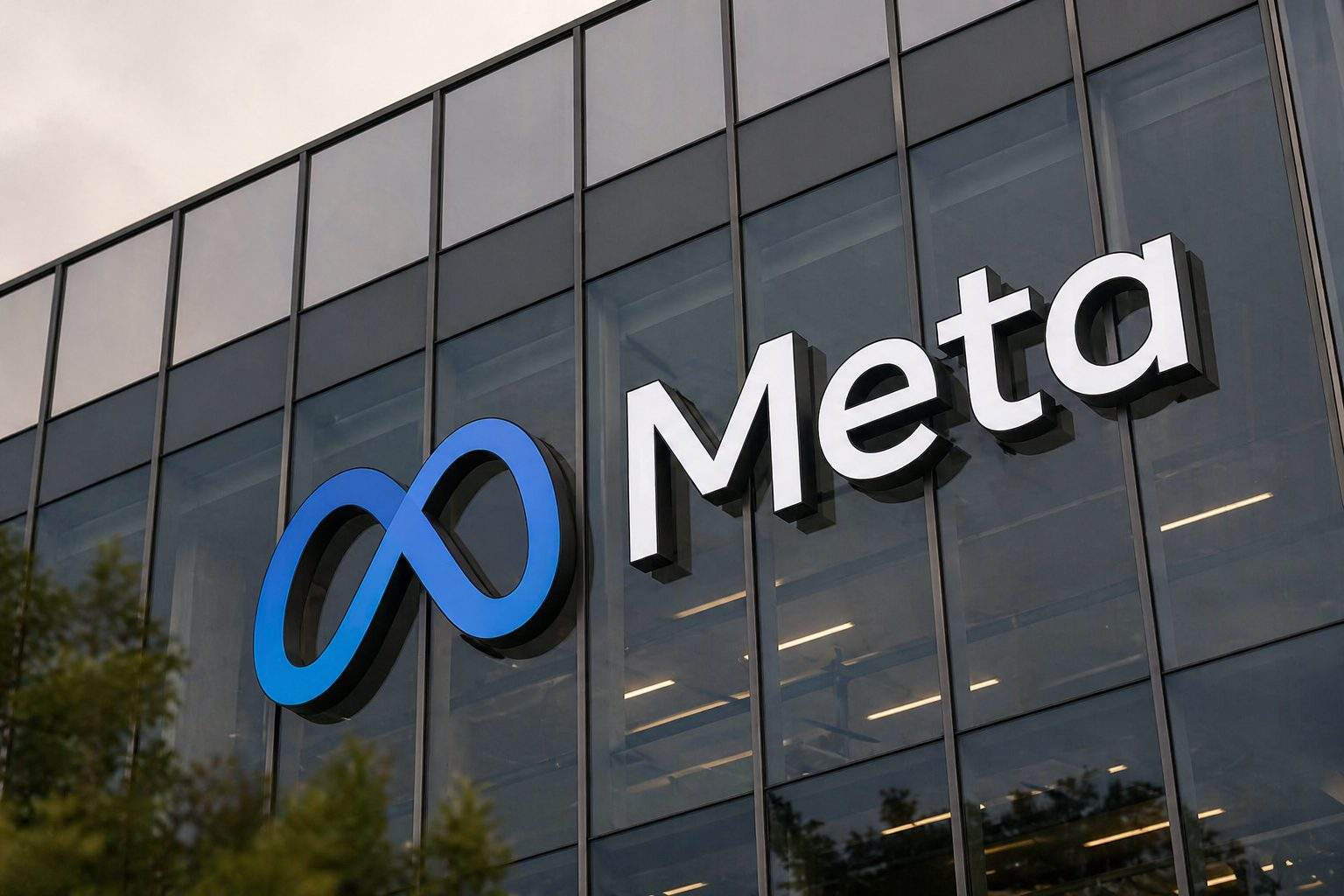
Meta Platforms Inc. has been told by Chinese authorities to reverse its acquisition of AI startup Manus, a deal worth more than $2 billion. The order came Monday from the National Development and Reform Commission, whose foreign-investment security review office has blocked overseas investment in the Manus project and instructed both parties to walk away. The move follows mounting scrutiny of U.S. efforts to tap Chinese-linked AI talent.
This isn’t just a typical pre-close block. Reuters says Meta actually wrapped up the deal back in December. Manus’s investors were out, employees had already settled into Meta’s Singapore offices—so China’s order targets assets, talent, and IP that have already crossed borders, setting up a tougher fight.
This comes ahead of a scheduled May summit in Beijing where U.S. President Donald Trump and Chinese leader Xi Jinping are set to meet. Both sides are tightening their grip on strategic tech. The U.S. has restricted certain investments in Chinese companies focused on AI, semiconductors, and quantum tech, while China is increasingly cautious about domestic technology making its way overseas.
Meta snapped up Manus, aiming to bolster its push into AI agents—software designed to handle multi-step tasks with minimal human guidance. The space is now a key battleground, with Meta competing against Microsoft, Google, and OpenAI, all hustling to create tools that move past simply responding to prompts.
Manus, though based in Singapore, originated in China. Meta stated there would be “no continuing Chinese ownership interests” in Manus, with the startup set to wind down its China operations and services. The majority of Manus’s staff worked out of Singapore, according to AP. AP News
The NDRC didn’t mention Meta by name, nor did it clarify why the ban was imposed, citing only laws on foreign investment security reviews. Back in January, China’s commerce ministry began scrutinizing the Meta-Manus deal for compliance with technology export controls, outbound investment guidelines, and rules on cross-border takeovers.
Meta on Monday insisted the deal “complied fully with applicable law” and said it’s expecting “an appropriate resolution to the inquiry.” Manus did not answer AP’s request for comment. On its website, the company noted it was “now part of Meta,” implying the acquisition has already closed. AP News
Ke Yan, a technology analyst at DZT Research in Singapore, called the Manus block “a clarifying moment” in remarks quoted by Bloomberg. Beijing’s takeaway, according to him: “what matters isn’t where the legal entity sits.” Moneycontrol
Ben Chester Cheong, lecturer at the Singapore University of Social Sciences, said the decision doesn’t halt Chinese firms shifting to Singapore, but it “raises the compliance threshold.” Now, companies might have to demonstrate where their management, IP, research, and data actually sit, he said. Reuters
Actually making the order stick could be the tough part. According to Bloomberg, Manus staff are already at Meta, funds have moved, and the startup’s leaders are now embedded in Meta’s rapidly expanding AI group. There’s still no word on when, or even if, that integration might be rolled back.
China’s foreign investment security framework lets regulators step in even after a banned deal has closed, forcing parties to unwind equity or assets and restore things to how they were if national security takes a hit. The legal path is there for Beijing, though sorting out the cross-border tangle could get complicated in practice.
China is signaling it’s ready to “play hardball” on AI talent and know-how, treating them as a security priority, Lian Jye Su, chief analyst at Omdia, told AP. Alfredo Montufar-Helu from Ankura China Advisors, speaking with Reuters, put it plainly: AI has joined semiconductors at the heart of the U.S.-China tech rivalry. AP News