
WASHINGTON, April 27, 2026, 08:38 EDT
- Markets widely see the Fed sticking with rates at 3.50%-3.75% this week. Powell’s messaging, though, could tip whether traders keep backing away from rate cut bets.
- Inflation risk grabbed center stage at the meeting again, fueled by oil prices and the disruption in the Strait of Hormuz.
- The Fed decision comes first, with GDP and PCE inflation numbers dropping Thursday, just hours later.
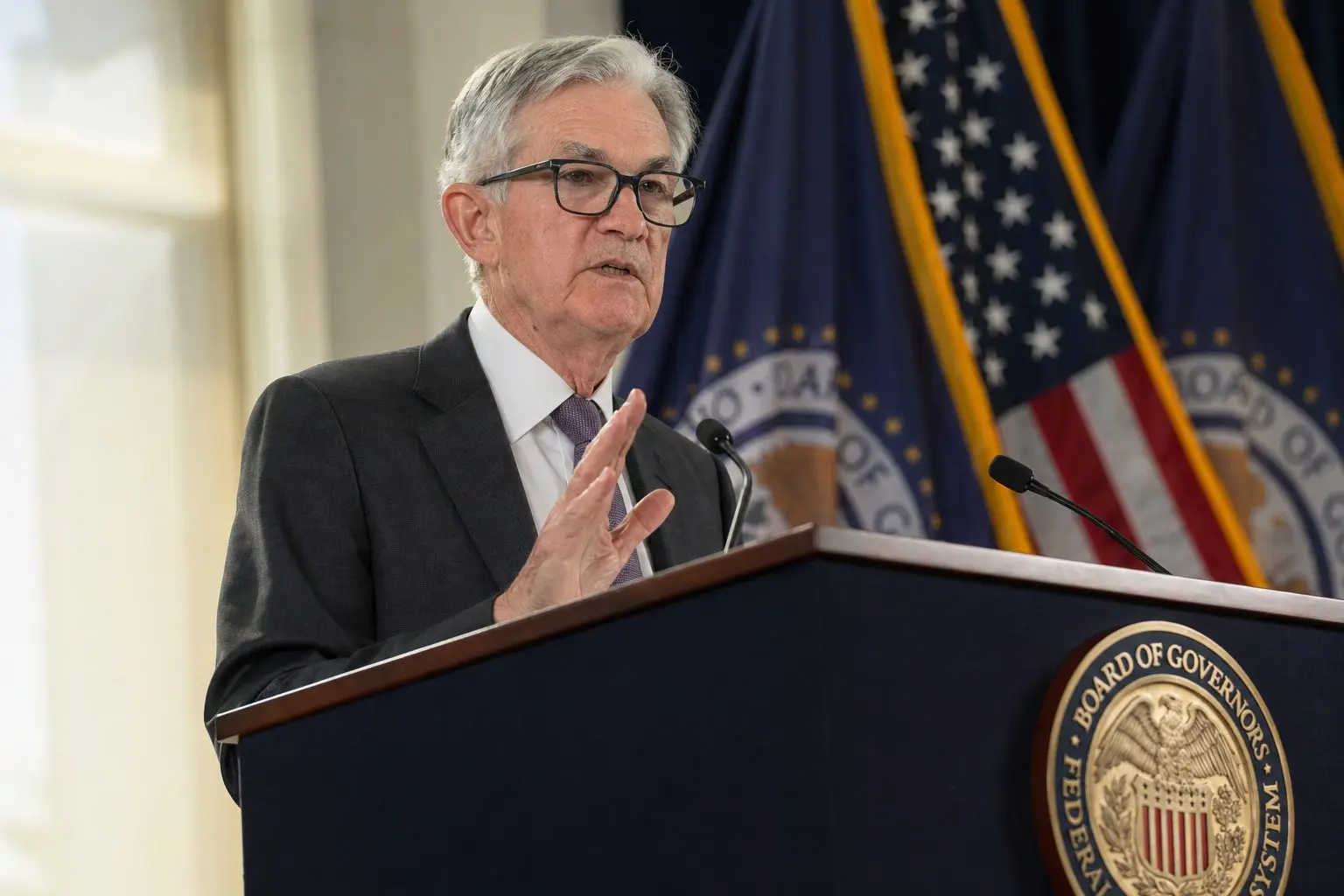
Federal Reserve officials kick off their two-day gathering Tuesday. No one’s betting on a rate move, but investors are zeroed in on whether Jerome Powell—potentially chairing his last policy meeting—signals rates could go higher if inflation stays sticky. The rate call lands at 2 p.m. EDT Wednesday, with Powell’s press conference set for 2:30 p.m.
The timing isn’t great. The federal funds rate—still pinned at 3.50%-3.75% since December—remains the Fed’s go-to lever, but policymakers are now running into pricier oil, supply jitters from the war, and a new set of growth and inflation numbers landing the following morning.
That’s what makes this week’s hold different. On Thursday at 8:30 a.m. EDT, the Bureau of Economic Analysis is set to drop first-quarter GDP figures, along with March personal income and outlays. That includes the Personal Consumption Expenditures price index, the inflation measure the Fed watches most closely.
There’s also the question of Powell’s job security. According to Reuters, the Justice Department has ended its criminal investigation connected to renovations at the Fed’s offices, paving the way for the Senate to confirm Kevin Warsh—Trump’s pick to take over from Powell. That development puts Powell’s chairmanship in the spotlight, with this week’s meeting shaping up to be his possible swan song.
Don’t expect much guidance before the statement. With the Fed’s communication blackout stretching from April 18 to April 30, officials are off the air, so traders are left to sift through the statement itself, Powell’s remarks, and Thursday’s figures.
Elias Haddad at Brown Brothers Harriman said Sunday he sees March PCE coming in hotter than the Fed’s own estimates, calling for a 0.7% monthly jump and a 3.5% annual gain on the headline figure. Core PCE — which excludes food and energy due to their volatility — should land at 3.2% year on year, topping the Fed’s March median forecast of 2.7%.
There’s statistical fuel for those inflation worries. In March, energy costs surged 10.9% in just one month, driven by a 21.2% spike at the pump. Year-on-year, the all-items consumer price index climbed 3.3%.
A hold this week remains the default expectation in markets. Barron’s, referencing CME FedWatch, put investors’ odds of steady rates through 2026 at 66%. Reuters, meanwhile, noted bond markets have been set up for no change in the Fed’s policy rate at least until mid-2027.
Oil’s still the wild card. Brent crude climbed 1% to $106.40 a barrel on Monday. Chris Turner, ING’s head of forex research, flagged that the Fed “may be inclined to warn” rates could stay put longer than some expect. Reuters
Jitters in equities have eased a bit, for now. Since March 30, the S&P 500 is up around 13%, Reuters noted Friday, while the Nasdaq Composite has climbed over 19%—a bounce powered largely by tech. “Markets have come a long way,” said Ameriprise’s Anthony Saglimbene, who added this week poses a crucial test for the rally. Reuters
The Fed isn’t the only one hitting pause. This week, central banks across the G7 — the Bank of Japan among them — are widely seen holding rates steady, watching to see how the recent uptick in energy costs ripples through inflation data. Powell’s stance slots into a global waiting game, not just an American hold.
The risk runs in both directions here. Should the Strait of Hormuz reopen and energy prices drop, the Fed could shift its focus away from the oil shock and back to the slackening labor market. But if the blockade drags on, Governor Christopher Waller has cautioned that persistent disruption might let higher inflation get “embedded” across goods and services. That would leave policymakers stuck with tepid growth and stubbornly high prices. Federal Reserve
It starts with the statement. If the Fed tweaks its language to indicate rates might move “in either direction,” that will count for more than the expected hold. Such a shift would move the central bank away from its previously anticipated rate-cut path, signaling it’s back to actively defending against inflation. Reuters