
New York, April 27, 2026, 13:02 EDT
- Dow Jones slipped today, with investors eyeing stalled U.S.-Iran negotiations, surging oil prices, and a packed earnings slate.
- The S&P 500 barely budged, while the Nasdaq edged lower—investors are watching to see if Big Tech will back up the rally that’s pushed markets higher.
- Traders have their eyes on the Federal Reserve meeting and fresh inflation data, as energy costs have returned to focus.
The Dow Jones Industrial Average edged lower Monday, pulling back from earlier gains as investors digested a spike in oil prices, stalled peace efforts between the U.S. and Iran, and braced for a packed earnings calendar.
The timing is crucial as the stock rally faces tougher hurdles. According to LSEG figures cited by Reuters, the Dow slipped 71.54 points, or 0.15%, landing at 49,159.17. The S&P 500 managed a narrow 0.01% gain. Nasdaq Composite edged lower, off 0.07%, based on delayed data.
Raymond James says nearly 44% of the S&P 500 by market value will post results this week, putting the spotlight on whether the index’s rally leans on widespread earnings firepower or is still riding tech momentum. It’s shaping up to be more than a routine earnings stretch.
“It’s the outlook for tech rather than the outlook for the broader U.S. economy that arguably matters most,” James Reilly, senior economist at Capital Economics, told Reuters. He pointed out that if tech earnings stumble, the S&P 500 could take a hit—even if results elsewhere keep topping estimates. Reuters
Oil prices climbed, with Brent crude—the global benchmark—up around 3%. According to Reuters, shipping traffic through the Strait of Hormuz stayed heavily restricted following stalled talks between the U.S. and Iran. Elevated oil prices tend to push up inflation, so investors could face a longer wait for any rate cuts.
The Dow slipped, though losses were minor compared to the bigger market picture. Still, it’s wrestling with the same key question: can earnings overcome both geopolitical risk and rate jitters? The S&P 500 and Nasdaq are more tied to megacap tech—those giants dominating by market value. By contrast, the Dow loads up heavier on industrials, healthcare, and banks.
Phil Blancato, chief market strategist at Osaic Wealth in New York, described investors as stuck on pause ahead of upcoming U.S. growth numbers, the March Personal Consumption Expenditures Price Index—which serves as the Fed’s go-to inflation measure—and the latest batch of earnings. “We’re in this holding-on moment here. I don’t think the market’s going to grind a lot higher,” he said to Reuters. Reuters
Microsoft shares drew attention after OpenAI revealed it will lift the cloud provider’s exclusive grip on its AI models and products. According to Reuters, this move means OpenAI can now offer its tech on competing cloud platforms—think Amazon Web Services and Google Cloud—just ahead of key tech earnings.
Nvidia advanced after Reuters noted the chipmaker’s market cap pushed back over $5 trillion, while Domino’s Pizza tumbled, missing first-quarter sales forecasts. That left action on Monday looking divided—buyers stuck with AI winners, but consumer stocks and names hit by rates found little room to slip.
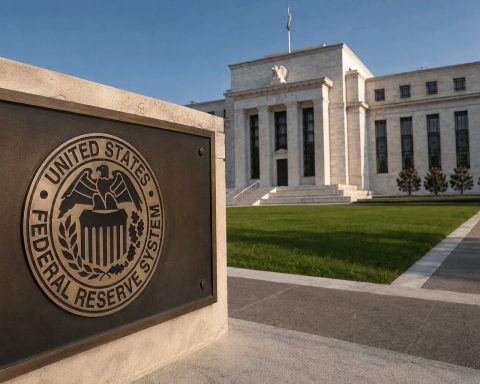
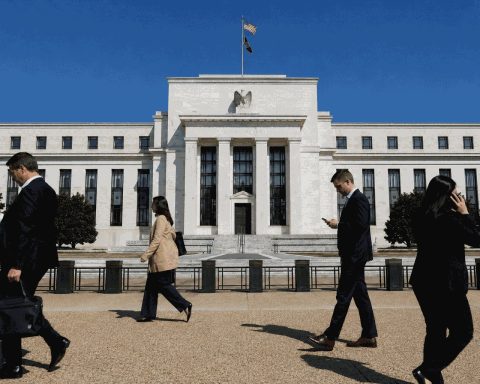
The Federal Reserve looms as a key variable. Policymakers gather in Washington this week, and investors are parsing whether officials focus on inflation pressures from energy or the cooling growth signals. Jefferies chief U.S. economist Thomas Simons noted the way may be smoother for Kevin Warsh’s confirmation as Fed chair, now that the Justice Department has closed its investigation into Jerome Powell.
The risk, though, is straightforward. Should oil prices climb further, inflation expectations might settle higher, making the Fed less inclined to cut rates. That scenario could weigh on the Dow and other major indexes, regardless of how strong earnings look. Disappointing forecasts from Microsoft, Alphabet, Amazon, Meta, or Apple would only intensify the pressure.
Right now, the Dow Jones looks steady—no clear signs of a breakdown, but the easy gains are gone. All eyes on the coming wave of earnings, oil moves, and the Fed’s next steps, all stacking up at once.
Related articles: Federal Reserve