
London, April 28, 2026, 12:04 BST
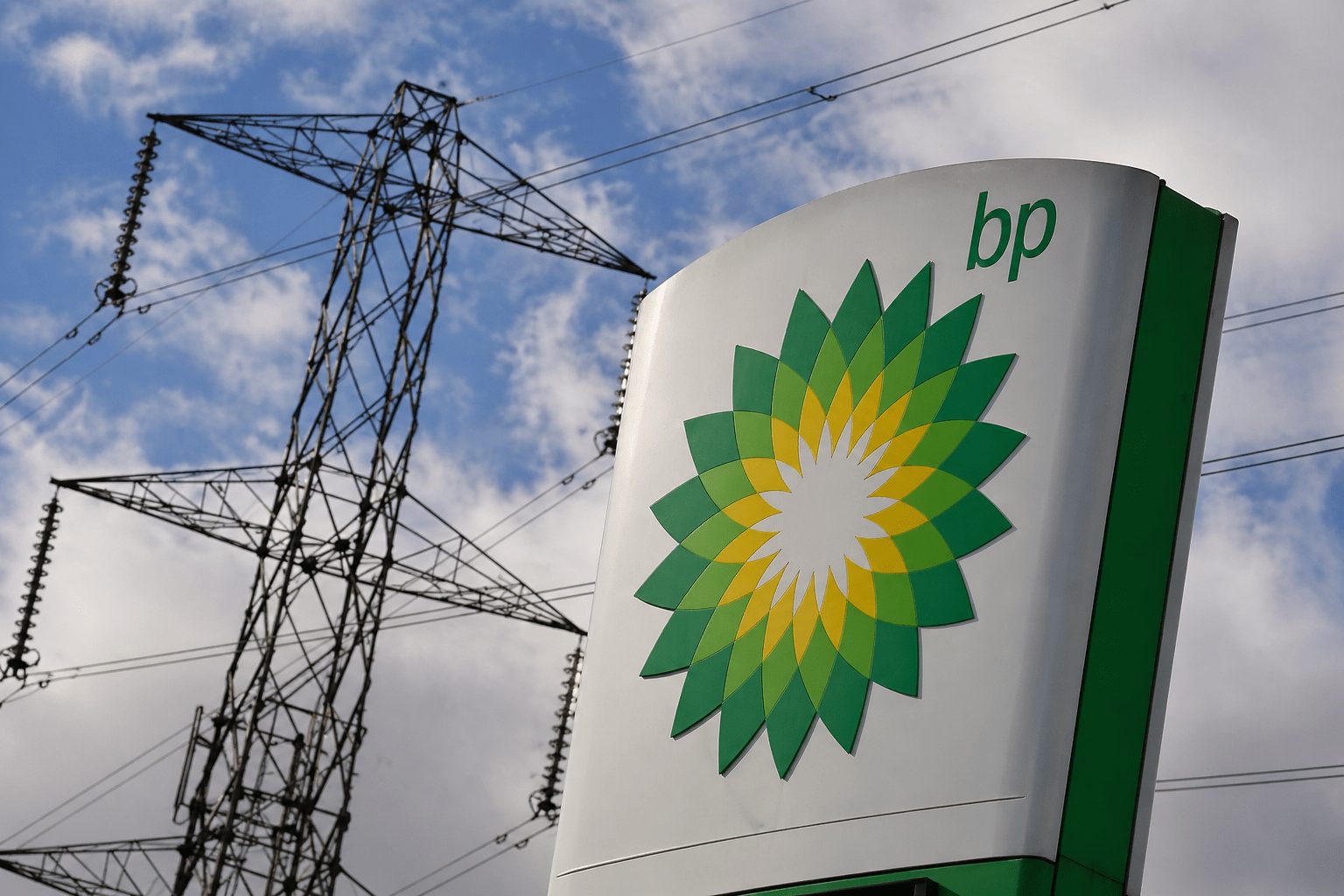
BP posted a $3.2 billion profit in the first quarter—more than twice what it made a year earlier and roughly 20% above what analysts had penciled in. Iran’s conflict sent crude prices climbing, fueling the oil giant’s trading arm to its best performance in years. That’s BP’s highest quarterly profit since 2023.
BP’s fresh numbers drop as Meg O’Neill steps in as CEO, aiming to calm a company veering again toward oil and gas after expensive forays into renewables. Investors are watching closely—war-boosted cash flow might go to debt reduction, not buybacks this time.
It’s a swift chain: Middle East fallout is already hitting Big Oil’s bottom line, pump prices, and the political arena. BP’s profit jump arrived while British families and activists flagged up soaring petrol, diesel, and household energy bills—same price spike, different impacts.
BP posted underlying replacement cost profit of $3.198 billion, its favored metric that excludes one-offs and inventory-price moves. That’s well ahead of last year’s $1.381 billion and also higher than the $1.541 billion figure from the previous quarter. Profit attributable to shareholders reached $3.842 billion. Operating cash flow stood at $2.86 billion, impacted by a $6 billion working-capital build, mostly due to price gains and seasonal inventory changes.
Driving BP’s results: its customers and products division, which includes refining, fuels, and trading. CFO Kate Thomson called the oil trading performance “exceptional.” Products earnings? Up sharply from the prior quarter, thanks to higher realized refining margins, increased throughput, and timing around crude selection. Investing.com
“Another quarter of strong operational and financial delivery,” O’Neill said, emphasizing BP’s efforts to keep fuel supplies flowing as the company navigates what she called a period marked by conflict and complexity. BP, she added, is “heading in the right direction” in terms of balance sheet strength. DirectorsTalk Interviews
The update drew a cautious response from investors. BP shares picked up 3.13% to reach 590.30 pence by late-morning in London. Oil and gas producers were also trading higher, with rising crude prices lending a boost to energy stocks.
The balance sheet is still a sticking point. BP’s net debt climbed to $25.3 billion, up from $22.2 billion at the end of 2025. The company said it’s targeting a reduction in corporate hybrid bond financing by roughly $4.3 billion, aiming for total hybrids near $9 billion come the end of 2027. Hybrid bonds, which offer bond-style income, can also be treated partly as equity in the capital stack.
Peers are absorbing the same shock, but responses vary. RBC Capital Markets’ Biraj Borkhataria called for BP to funnel surplus cash into “debt reduction” instead of restarting buybacks. Over at Melius Research, James West pointed out the crude market is still “undersupplied.” According to The Business Times, which referenced Bloomberg, Exxon’s operations have some barrels stuck in the Strait of Hormuz; Chevron, for its part, may restart buybacks later this year. The Business Times
The upside comes with caveats. BP flagged persistent sensitivity in fuel margins tied to supply expenses and the evolving situation in the Middle East. For the second quarter, the group anticipates a dip in upstream production versus the first, pointing to Gulf maintenance and some regional turbulence. Thomson cautioned that trading swings from quarter to quarter, with realized margins at the mercy of price timing, shipping costs and crude spreads.
Political pressure is building as well. With BP’s profits surging, campaigners want a windfall tax imposed—a single charge targeting outsized gains—especially as households grapple with pricier fuel and stretched supply. Mike Childs of Friends of the Earth argued fossil-fuel firms gain when turmoil sends prices higher, yet “ordinary people” end up footing the bill. ITVX
O’Neill’s watching to see if BP can actually use that bumpy trading windfall to bring down leverage and smooth out its business. The latest quarter just gave BP some breathing room. But the risk hasn’t gone away: the same war driving profit right now could end up hitting production, putting pressure on consumers, and leaving investors wondering about the staying power of BP’s rebound.