
BIRMINGHAM, Alabama, April 28, 2026, 3:04 p.m. CDT
- Blue Cross Blue Shield subscribers are set to receive their first settlement payments starting in May.
- New claims aren’t being accepted. The remaining question: do previous filers actually have valid claims and accurate payment information?
- Payouts won’t be the same for everyone; amounts hinge on premiums paid, your plan, and the ultimate set of approved claims.
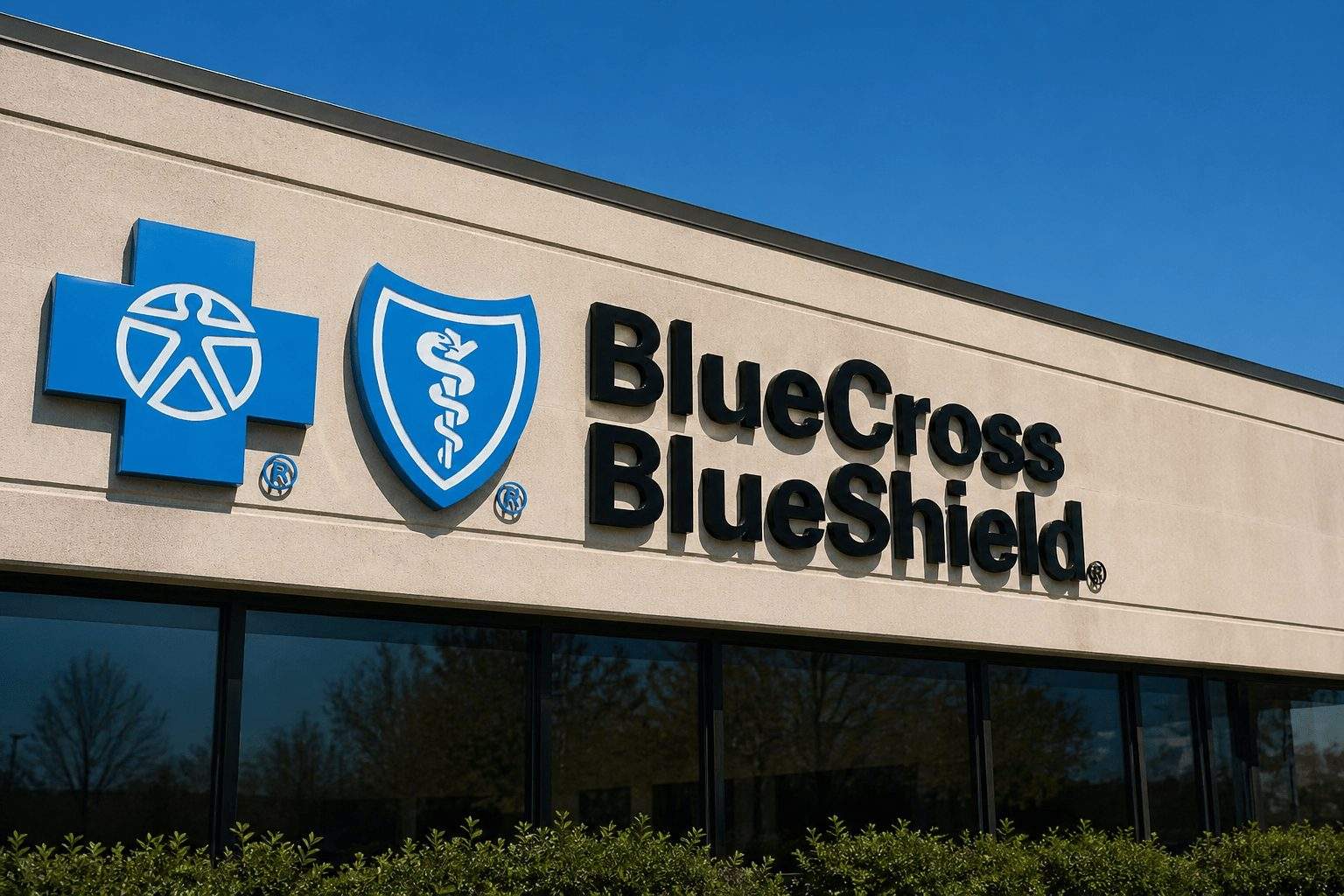
Payments from the $2.67 billion Blue Cross Blue Shield antitrust settlement are finally on the way, with distributions to valid claimants starting in May. According to the official settlement site, the deal is now final and claim determination notices have started showing up in inboxes and mailboxes. Eligible Damages Class Members can expect the first round of checks in May 2026.
Timing’s key here: the claim window closed years ago. Anyone seeking money—whether subscriber or employer—had to submit a claim by Nov. 5, 2021. Those who didn’t file aren’t getting a cash payout, but they’re still covered by the settlement terms.
The payout is back in the spotlight after a surge of millions of claims across the country, with claimants now receiving payment details. On April 27, the New York Post reported roughly 6 million claims had come in. Minnesota’s New Country, for its part, told claimants to keep an eye on both mail and email for payment instructions.
The settlement applies to certain individuals, insured groups, and self-funded accounts that either bought or were signed up for Blue Cross or Blue Shield health insurance or administrative-services plans. For individuals and insured groups, the class period stretches from Feb. 7, 2008, through Oct. 16, 2020. Self-funded accounts fall under the class from Sept. 1, 2015, to Oct. 16, 2020. Government accounts aren’t part of the deal, and dependents, beneficiaries, and non-employees don’t qualify for cash payments.
The case, In re: Blue Cross Blue Shield Antitrust Litigation, accused the Blue Cross Blue Shield Association and its member plans of breaking antitrust law by making deals not to compete with one another, restricting competition when it came to selling and managing health insurance. The companies settling the suit “deny all allegations of wrongdoing,” insisting their actions actually reduced healthcare costs and expanded access. The court never ruled on who was correct. Blue Cross Blue Shield Settlement
Once attorneys’ fees, administrative costs, and related expenses are subtracted, roughly $1.9 billion remains in the net settlement fund. In addition, the settlement obliges business-practice changes—plaintiffs argue these adjustments could help boost competition across the health-insurance sector.
There’s no set refund here. According to the administrator, each person’s payout hinges on how many valid claims come in, what they paid in premiums or administrative-services-only fees, and whether the plan counted as fully insured or self-funded. ASO—short for administrative-services-only—is the usual label for a self-funded employer plan, where the employer handles the claims and pays Blue Cross to do the paperwork.
Claim notices aren’t checks—they just show the premium or fee totals that feed into the final payment calculation, not the amount itself. Disagree with those numbers? The official FAQ says you’ll need to provide supporting documents, and you only get one shot to dispute.
Payouts will follow the option each claimant picked, but there’s also a chance to ask for an electronic debit card—details are in the notices. Skip that, and your money goes out via the method you marked on the first claim form.
The case unfolds in a pricey employer-benefits landscape, where Blue plans are up against national players—UnitedHealthcare, CVS Health’s Aetna, and Cigna—all chasing commercial business. According to KFF’s 2025 employer-benefits survey, the typical annual family premium for employer-sponsored health coverage hit $26,993. Workers, on average, picked up $6,850 of that tab. No surprise then that even settlements paid out late get noticed by both households and employers.
The subscriber payout stands apart from the Blue Cross provider settlement. Back in August 2025, a federal judge in Alabama signed off on a $2.8 billion deal with hospitals, doctors, and other health-care providers claiming Blue Cross plans shorted them on payments. As reported by Reuters, Blue Cross maintained it did nothing wrong in that agreement.
Uncertainty lingers for claimants. There’s no guarantee of a set payout per person, and if the final calculation comes to $5 or less, no payment goes out. Anyone spotting errors in their claim data has to handle those now, through the notice process—not by hoping for future adjustments.
At this point, the action is pretty specific: anyone who’s already filed a claim needs to read any official emails or postcards, then log in to the settlement portal to check their claim’s status. No fresh claims are being accepted. The next activity will happen in the payment process, not through another claim window.
Related articles: Stock Market