
Providence, April 28, 2026, 16:05 EDT
- Massachusetts lawmakers are once again looking at a bill that would limit grocery stores to no more than eight self-checkout stations each.
- Rhode Island’s proposal sits in committee. Connecticut’s, by contrast, is on hold for the moment.
- Retailers are reworking checkout lanes, pressured by theft, rising labor expenses, and mounting customer wait times.
Massachusetts lawmakers aren’t letting go of a bill that would put strict caps on self-checkout at grocery stores, intensifying a regional move that could have chains like Walmart, Target, Costco and Stop & Shop reconsidering their approach to customer-operated scanning.
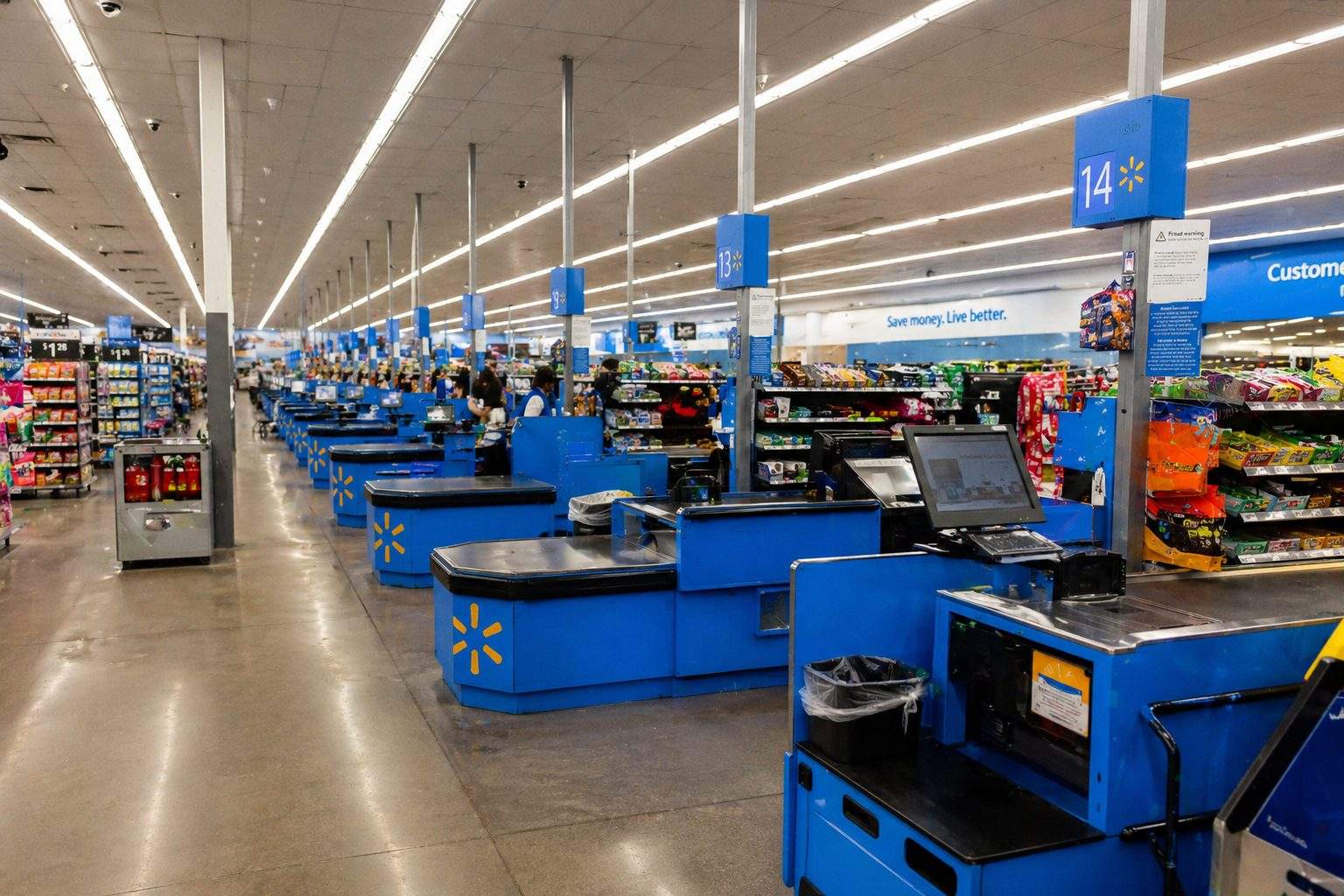
This measure has become significant as self-checkout shifts from a simple convenience to a flashpoint in debates over labor and theft. According to a Patch article published Tuesday, Sen. Paul R. Feeney’s bill would limit grocery stores to no more than eight self-service checkout stations running at once per location, and mandate at least one staffed lane for every two self-checkouts.
S.237 cleared a key hurdle in December, when it landed in the Senate Ways and Means Committee after a favorable report, according to tracking records. The Massachusetts bill targets self-checkouts in grocery stores, proposing fines for recurring breaches and shifting the discussion to budget lawmakers instead of keeping it confined to retail operations.
In Rhode Island, lawmakers have introduced Senate Bill 2342 and House Bill 7290, two companion proposals aiming to cap the number of self-checkout lanes in grocery stores and to set workload limits for staff monitoring those stations. Both measures remain held in committee for further study, legislative records show.
Connecticut offers a cautionary tale for advocates. A proposal that would have forced one staffed register for every two self-checkouts—and limited self-checkout lanes to eight per store—stalled out in the Judiciary Committee this month, according to CT Insider. Wayne Pesce, who heads the Connecticut Food Association, called out a “serious flaw” in the legislation: it singled out grocers and private businesses even as self-checkout remains popular with shoppers. CT Insider
The proposals stop short of banning self-checkout, but aim to rein it in—requiring more human supervision, additional staffed lanes, and cutting back on unattended kiosks. Lawmakers, put simply, don’t want stores swapping out a full row of cashiers for just one employee overseeing a cluster of machines.
Retailers aren’t standing still. Target, for example, introduced Express Self-Checkout—capped at 10 items—at the bulk of its roughly 2,000 U.S. locations back in March 2024. The company said after that change, it saw transaction times improve by close to 8% in both self-checkout and traditional lanes.
Walmart continues to provide lanes with cashiers for customers preferring a staffed checkout, and Walmart+ members also get access to the company’s Scan & Go option through their phones. In a 2024 statement to Reuters, a Walmart spokesperson said certain stores might set aside a few self-checkout kiosks for Walmart+ members when access is limited, but clarified that, as a standard policy, self-checkout isn’t reserved exclusively for subscribers.
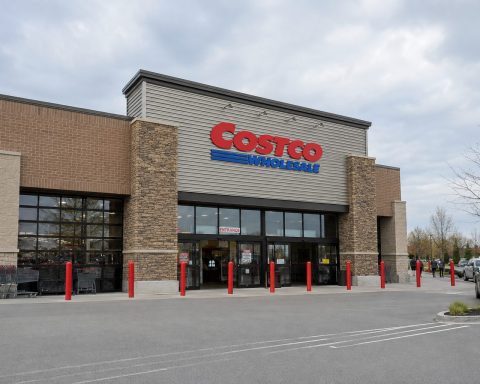
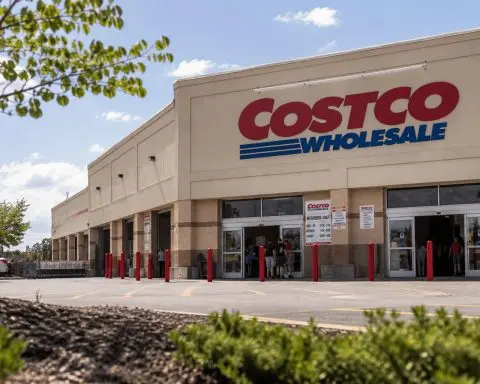
Costco isn’t following the crowd on checkout strategy. Instead, the retailer is testing out faster assisted lanes, not just adding more self-checkout. Chief Financial Officer Gary Millerchip told analysts the chain is piloting automated pay stations for orders that have already been scanned, clocking in at “an average transaction time of around eight seconds.” So far, he said, the experiment is speeding up the process and generating member feedback. Fox Business
New England isn’t alone—similar moves have surfaced elsewhere. In 2025, Long Beach, California, passed an ordinance mandating that grocery and drug stores with self-checkout must also keep at least one traditional staffed lane, restrict self-checkout purchases to 15 items, and assign one worker for every three self-checkout stations.
For backers, the risks jump out: bills like these often stall, sometimes without even reaching debate—Connecticut’s proposal, for instance, went nowhere. Opponents say fixed staffing ratios push up labor costs, cut flexibility during quieter stretches, and could mean longer waits at checkout if stores close kiosks instead of hiring extra staff.
Yet the political winds have turned. Self-checkout first arrived promising faster lines. Now, lawmakers are probing whether shoppers view it as extra labor they’re not paid for, a magnet for theft, or simply another aisle option. For grocers, the real battle ahead might not be over gadgets—it could come down to who’s actually at the checkout.
Related articles: NASDAQ:COST