
Seattle, April 29, 2026, 09:04 PDT
- Starbucks lifted its outlook for fiscal 2026, following a 6.2% jump in global comparable store sales during the second quarter.
- The stock jumped roughly 10% to $107.03, as investors zeroed in on stronger traffic and the company’s raised outlook.
- Cost pressure stands out: North American operating margin slipped to 9.9%, down from 11.6%, after Starbucks ramped up labor spending and absorbed higher coffee, tariff, and product-mix costs.
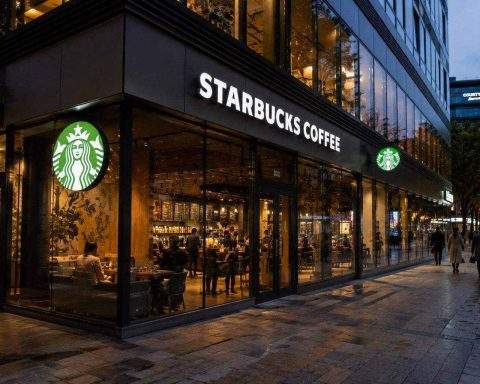
Starbucks stock jumped Wednesday following an upbeat full-year outlook and a quarterly sales beat, offering the most convincing evidence so far that CEO Brian Niccol’s “Back to Starbucks” strategy is working, with more customers returning to stores. Reuters
This shift matters at this moment, as investors have been looking for evidence that Starbucks can boost store traffic without defaulting to price hikes or rolling out more discounts. Since stepping in as CEO in September 2024, Niccol has emphasized cutting wait times, increasing staff, trimming menu complexity, and improving order flow—the goal: fix service and revive that classic cafe vibe.
Starbucks lifted its outlook for fiscal 2026, saying it now sees global and U.S. comparable store sales rising 5% or more, above its previous forecast of at least 3%. Comparable store sales—often used as a barometer in retail—track results at stores open a minimum of 13 months, according to the company, which limits the metric to its company-operated locations.
Global comparable sales climbed 6.2% in the 13 weeks through March 29, driven by a 3.8% bump in transactions and a 2.3% uptick in average ticket size. Net revenue hit $9.5 billion, up 9%. Adjusted earnings landed at 50 cents per share.
Wall Street had been looking for a 3.7% bump in same-store sales and 43 cents per share in adjusted earnings, according to analysts surveyed by LSEG, Reuters said. Starbucks topped both estimates.
North America drove the recovery, with comparable sales up 7.1%—a gain underpinned by a 4.4% bump in transactions. U.S. comps matched that 7.1% rise. Starbucks closed the quarter operating 41,129 stores worldwide.
“Our second quarter marked the turn in our turnaround,” Niccol said in the company’s earnings release. Chief Financial Officer Cathy Smith noted they’d looked for sales to rebound ahead of profits, adding that tighter cost controls were beginning to lift margins. Starbucks Investor Relations
Speaking on the earnings call, Niccol noted Starbucks continues to draw customers from different income brackets, despite consumers dealing with rising costs in other areas. He called Starbucks a “little touch of luxury,” adding that the company has work to do in convincing people it remains “worth it.” AP News
Fast service is at the heart of the plan. Roughly 80% of stores are meeting Starbucks’ 4-4-12 benchmarks, according to Reuters: four minutes for in-cafe orders, another four for drive-through, and mobile pickups wrapped up in less than 12 minutes.
Rivals aren’t sitting this one out. McDonald’s has pushed deeper into refreshers and handcrafted sodas—territory Starbucks is also eyeing as cold drinks drive sales. But Niccol told investors that increased activity in the space might actually benefit the top player.
China’s still lagging. Starbucks reported a mere 0.5% gain in China comparable sales for the quarter—transactions edged higher, but the average ticket slipped. The company also finalized its joint venture with Boyu Capital in April. Boyu has taken a 60% stake in Starbucks China retail operations; Starbucks holds onto 40%, keeping control of the brand and intellectual property.
The debate over margins continues. Starbucks reported its North American operating margin slipped to 9.9% from 11.6%, pointing to higher labor spending, changes in the product mix, tariffs, and pricier coffee. Management expects some relief from tariffs and coffee costs later in the fiscal year—that’s their projection, though, not something showing up in the numbers yet.
Wall Street liked what it saw right out of the gate. Reuters said no fewer than five brokerages bumped up their price targets after the earnings landed, and both Stifel and Morningstar analysts flagged strong demand spanning income brackets and age ranges.
Starbucks delivered what investors had been looking for: increased traffic, rising sales, and an upgraded outlook. The tougher challenge is ahead—maintaining that momentum and showing that stepped-up labor and store investments can actually drive returns.
Related articles: NASDAQ:SBUX