
Sydney, April 30, 2026, 17:48 (AEST)
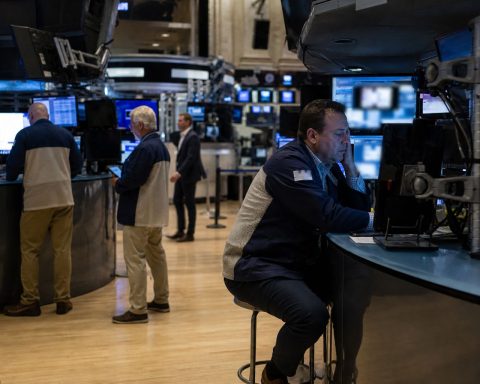
Australian shares dropped for an eighth consecutive session on Thursday, pulling the S&P/ASX 200 down 0.24% to 8,665.8 at the close. Losses in miners and consumer staples outweighed gains seen in banks and energy stocks. Earlier in the day, the index had slipped as much as 0.5%.
It wasn’t the size of the drop that counted—it was the timing. The pullback landed just a day after the Australian Bureau of Statistics reported a 4.6% year-over-year jump in the Consumer Price Index for March, up from 3.7% in February. Trimmed mean inflation, which filters out the wildest price changes, stayed put at 3.3%. The Reserve Bank of Australia keeps aiming for a 2% to 3% inflation band.
May 5’s RBA call stayed in sharp focus for traders. CBA put odds of a 25bp hike—so, a quarter-point move—at about 70%. The bank still sees the cash rate hitting 4.35%, but flagged the outcome as a close call. “The inflation problem has not yet been solved,” CBA senior economist Trent Saunders said. CommBank
Oil threw another wrench into the mix. Crude surged to roughly $US126 a barrel, touching levels last seen four years ago, with Middle East tensions spooking traders over fuel and freight expenses. Energy names outperformed—up 1.4%—while the wider market lost ground.
Woolworths handed investors a clear signal: the oil shock is slicing into margins. The supermarket chain pulled back on its fiscal 2026 Australian Food earnings outlook, citing both increased fuel expenses and stepped-up spending to keep shoppers coming through the doors. Shares dropped up to 9.8% at the open. CEO Amanda Bardwell noted “early signs” from the Middle East conflict were starting to affect both customers and employees. Reuters
Losses weren’t spread evenly across the market. ABC tallied 109 gainers, three flat, and 88 decliners, but the trouble spots mattered: consumer non-cyclicals—think supermarkets and household essentials—slumped 4.6%. Materials shed 2.6%.
Mining stocks pulled lower, with base metals losing ground. According to Reuters, BHP, Rio Tinto and Fortescue each dropped between 1.4% and 1.6% earlier, but Mineral Resources bucked the slide, gaining after raising its 2026 production forecast.
Banks managed to cushion the drop. Financials climbed 0.54% earlier, with the big four lenders gaining anywhere from 0.3% to 1.1%. Gold stocks, on the other hand, slipped as bullion tumbled further overnight after the Federal Reserve kept rates steady.
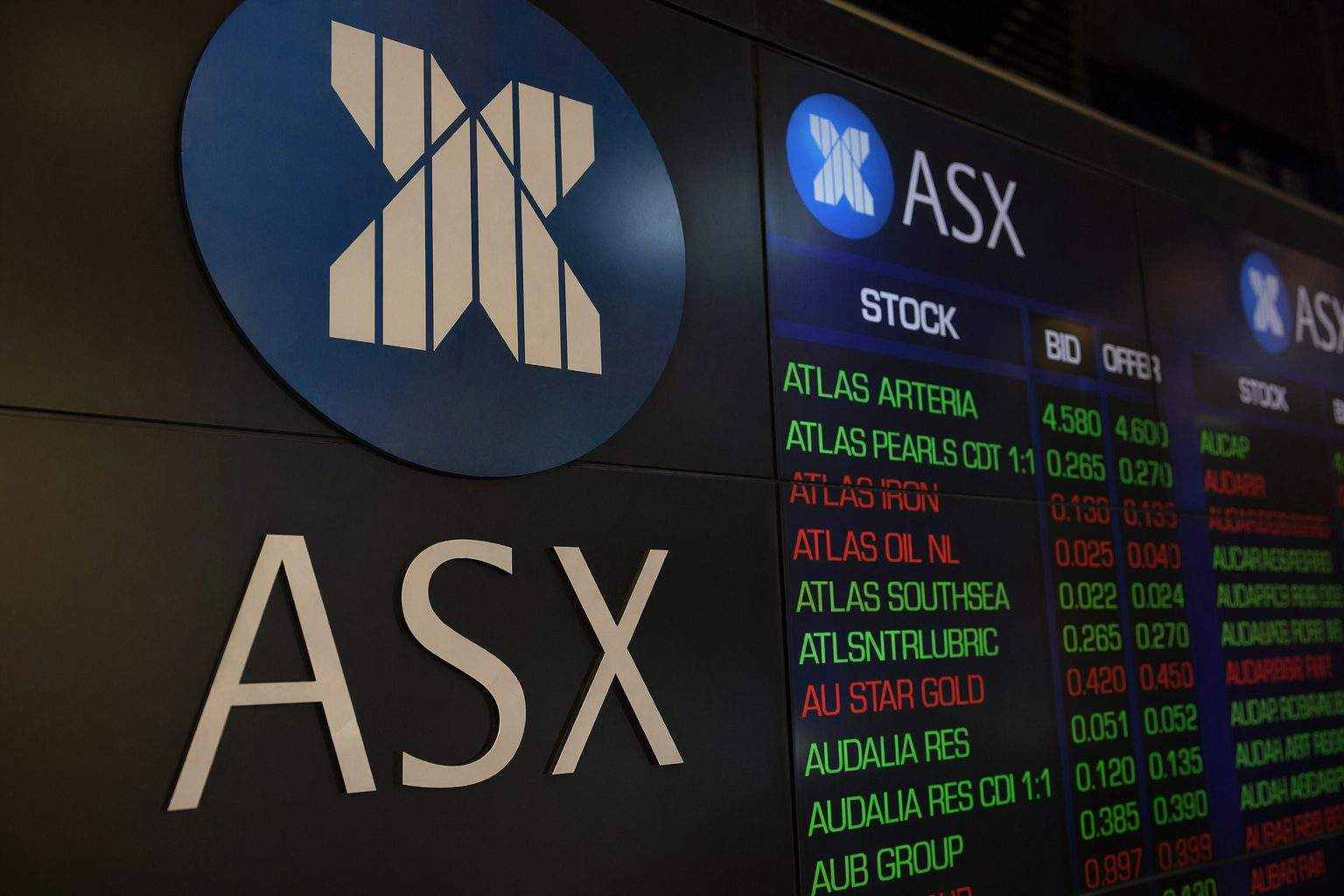
ASX Ltd shares picked up steam, climbing roughly 5% to finish as one of the ASX 200’s top performers. The exchange said Darren Yip—currently group executive for markets and listings—will step in as interim chief executive from May 29 while the board continues searching for a permanent replacement.
But the risk isn’t just tilted one way. IG’s Tony Sycamore says a drop in fuel prices might actually open the door for the RBA to pause, something few expect. On the other hand, CBA chief economist Luke Yeaman points out the Iran conflict still holds out for “escalation, impasse and peace” as possible outcomes. Faster relief in oil would take the edge off rate hikes. If the shock drags on, though, retailers, miners and households keep feeling the pinch. IG
The Australian dollar hovered close to 71.17 U.S. cents. Over the past five sessions, the ASX 200 is down 1.5%, yet for the year it’s barely moved, caught between pressure from rising oil, persistent inflation and an interest rate decision still up in the air.
Related articles: ASX:CBA