
SAN DIEGO, April 30, 2026, 05:01 PDT
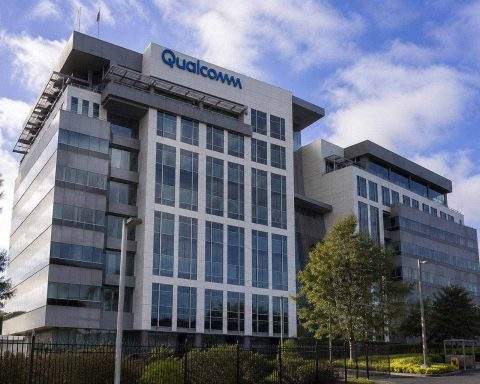
Shares of QUALCOMM Incorporated surged 10.3% in premarket trading Thursday. Traders shrugged off the disappointing outlook for the current quarter, zeroing in on CEO Cristiano Amon’s upbeat comments about a smartphone rebound and Qualcomm’s fresh ambitions in data-center chips. “We can now call the bottom,” Amon told Reuters, saying the handset market has reached its low point. Reuters
It’s a key development for Qualcomm, which continues to derive most of its revenue from phones—a segment squeezed this year as pricier memory chips pushed up handset costs and curbed orders. Signs of stabilization in smartphones would cut some of the strain on the company’s main business, giving it more breathing room to ramp up newer bets like automotive semiconductors and AI-driven data center products.
Qualcomm’s fiscal second-quarter revenue came in at $10.6 billion, slipping 3% from the same stretch last year. Adjusted earnings reached $2.65 a share. A hefty $5.7 billion tax benefit helped swell GAAP earnings to $6.88 a share.
Phones lagged: handset revenue slid 13% to $6.02 billion. On the flip side, automotive jumped 38% to $1.33 billion, and internet-of-things brought in $1.73 billion, up 9%. Qualcomm’s numbers highlight the split—smartphones struggling, but the company’s bets beyond handsets keep moving.
The company is projecting fiscal third-quarter revenue between $9.2 billion and $10.0 billion, with adjusted earnings seen at $2.10 to $2.30 per share. According to LSEG figures cited by Reuters, analysts had been looking for $10.27 billion on the top line and $2.45 in adjusted EPS.
Qualcomm is projecting chip revenue from Chinese handset makers to bottom out in the third quarter, with a return to sequential growth after that. The forecast factors in memory supply constraints and how related pricing is affecting demand from multiple phone manufacturers, the company said.
Data centers played their part in the stock’s move. Qualcomm pointed to a custom silicon project with a top “hyperscaler”—one of the big cloud operators—saying first shipments are still set for later this year. That would mark Qualcomm’s entry into a segment where AI-fueled demand is driving up spending on chips for inference, the workhorses running models after they’re trained.
Amon told Reuters that Qualcomm is developing a lineup that includes CPUs, inference accelerators, and ASICs—those custom chips built for targeted workloads. This pushes Qualcomm closer to segments where Broadcom and Marvell have already picked up steam, as more cloud companies design their own silicon.
“Qualcomm is building from a small base,” TECHnalysis Research president and chief analyst Bob O’Donnell told Reuters. Even so, he thinks the company’s growing focus on data-center offerings signals a shift toward a more mature strategy. Apple and Samsung now rely more on their own chips—a change that’s chipped away at the long-term dominance Qualcomm once enjoyed in high-end smartphones. Reuters
Risks remain. J.P. Morgan analysts warn the smartphone market is “hardly out of the woods.” Over at Morgan Stanley, the view diverges: they push back on the idea that memory shortages will ease in calendar 2027. High memory prices could prompt phone makers to slash orders further, putting Qualcomm’s recovery thesis at risk of being premature. Reuters
Qualcomm highlighted its capital return moves, pointing to $5.4 billion in buybacks during the first half of fiscal 2026 and rolling out plans for a fresh $20 billion repurchase program. That’s a potential cushion for the shares in the short run. The real question, though, is whether management can translate a bottoming-out in phone chips and hopes around data centers into concrete top-line gains in the coming quarters.
Related articles: NASDAQ:QCOM