
WASHINGTON, May 1, 2026, 10:11 (EDT)
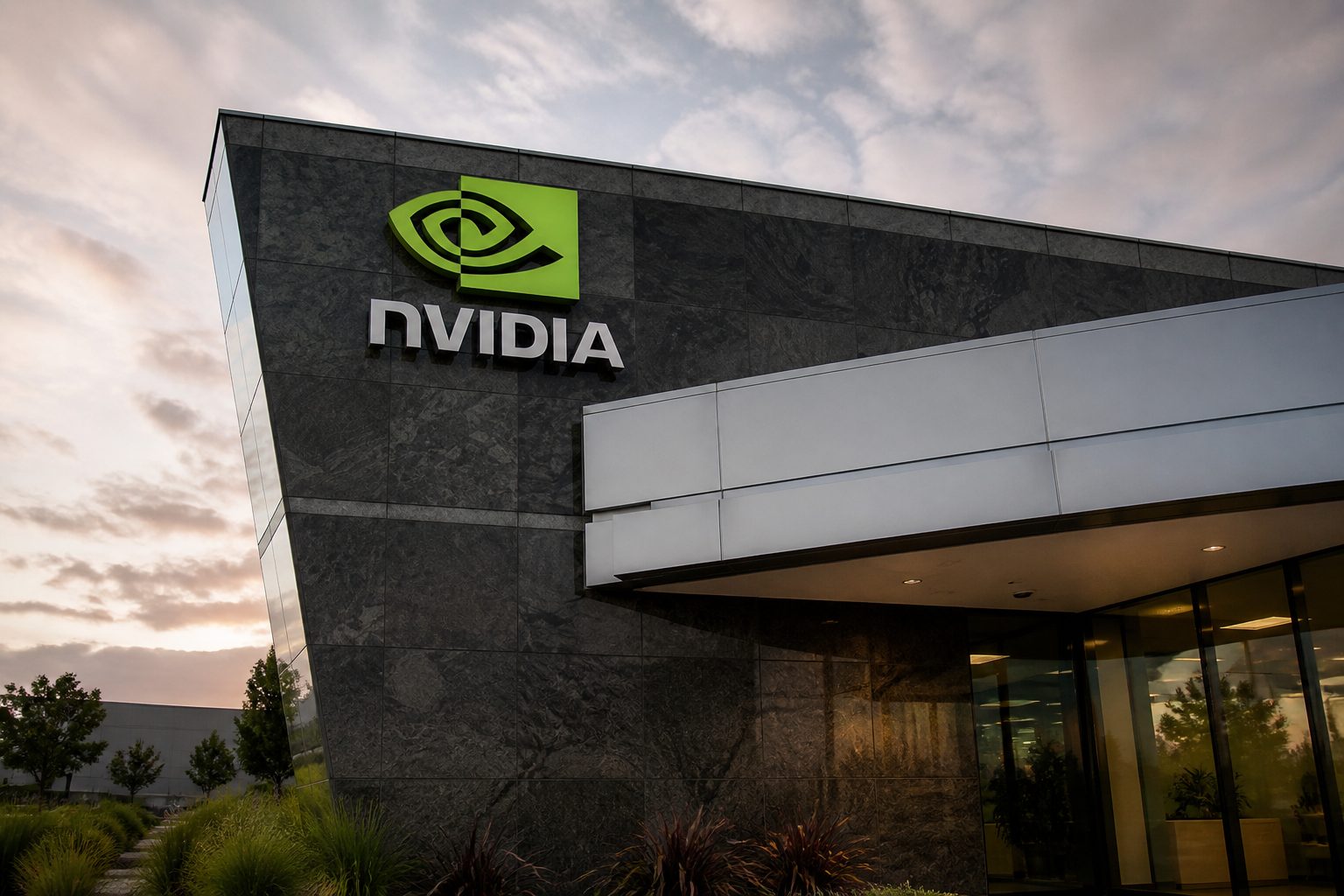
The Pentagon has approved Nvidia, along with six other AI firms, to roll out sophisticated artificial intelligence tools across classified U.S. military systems—another strategic gain for the chipmaker as federal agencies shift from pilot projects to real-world deployment. Google, Microsoft, and Amazon Web Services are also on the list.
Timing is key here. The Pentagon plans to deploy the systems within Impact Level 6 and 7 settings—those are its classified, secure network environments—as part of an effort to broaden its vendor base and reduce reliance on one AI supplier. So far, over 1.3 million personnel have accessed its GenAI.mil platform in just five months, according to the department.
Nvidia finds itself at a crossroads, as investors question if its influence in AI budgets extends past its signature graphics processing units—the backbone for training and running AI models. The Pentagon hasn’t shared details on rollout timing or how much the firms will earn.
Nvidia opened the session at $201.26 before settling near $199.57 in early New York trading. The chipmaker’s market capitalization hovered around $4.88 trillion.
The rivalry is intensifying. Google and Amazon—key Nvidia clients—are now looking to pitch their in-house AI chips straight to customers, potentially chipping away at Nvidia’s future hardware dominance. Still, Alvin Nguyen, a senior analyst at Forrester, told Business Insider Nvidia has reason to be “concerned but not worried,” pointing to its robust lineup of hardware, software, and support. Business Insider
Patrick Moorhead, chief analyst at Moor Insights & Strategy, points to how Google and Amazon’s chip racks are “very bespoke and proprietary”—a hurdle for wider uptake. Bernstein’s Mark Shmulik flagged custom silicon as an “increasingly important part of the AI story.” GlobalData’s Beatriz Valle summed up the change as “irreversible now.” Business Insider
China is still the tougher variable. On April 30, Reuters said Nvidia’s B300 servers were fetching about 7 million yuan—close to $1 million—in China, almost twice the U.S. price. Export restrictions and a crackdown on chip smuggling have squeezed availability. The B300 handles AI inference, running trained models to deliver outputs.
Nvidia confirmed to Reuters that the B300 isn’t available for sale in China, with partners required to stick to tough compliance standards. The company also cautioned that it won’t offer service or support for any systems that have been diverted illegally.
Nvidia landed at least $23 million in tax breaks and rebates from Irving, Texas, linked to its operations there and a potential buildout. To qualify, the company has to renew its lease by Dec. 31, 2027, stay put for a decade, and maintain a taxable property value of roughly $782.5 million, city officials said.
Nvidia’s momentum hasn’t let up. Fourth-quarter revenue hit $68.1 billion for the period ending Jan. 25, a 73% jump year over year. Data center sales surged 75% to $62.3 billion. Looking ahead, Nvidia put its first-quarter fiscal 2027 revenue estimate at $78 billion, give or take 2%, and made clear the forecast doesn’t factor in any data center compute revenue from China.
The risks, though, are significant. The Pentagon contract hasn’t come with any public financial details, China revenues are still stuck behind export limits, and top cloud players continue to develop their own competing chips while still purchasing Nvidia hardware. So, the immediate question isn’t just about landing a fresh deal—it’s whether Nvidia can defend its turf in defense, cloud, and tightly regulated international markets all at once.
Related articles: NASDAQ:NVDA