
NEW YORK, May 2, 2026, 03:46 (EDT)
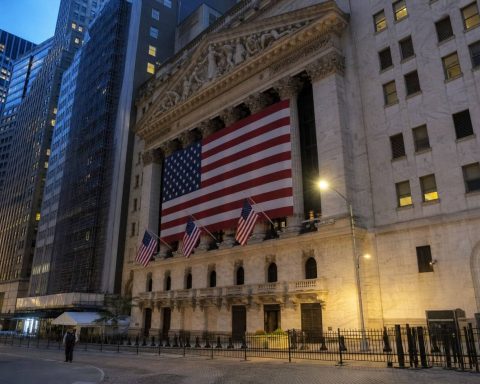
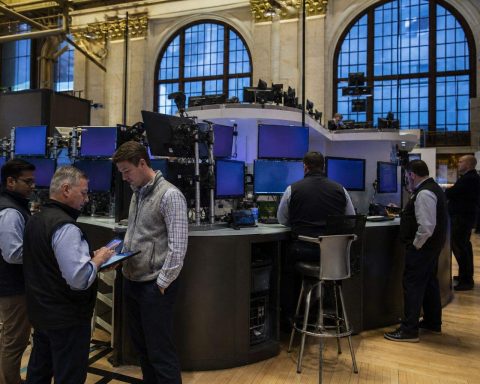
- S&P 500 and Nasdaq both finished Friday at record closes, lifted as traders weighed Big Tech’s latest earnings for signs that those large AI investments are finally delivering.
- Alphabet, Amazon, Meta, and Microsoft are pointing to combined AI spending above $700 billion by 2026, with the focus tilting away from chatbots toward the sprawling data centers, specialized chips, and cloud services powering them.
- Meta’s push into robotics, Computershare’s move toward tokenized shares, and fresh crypto-bill negotiations have once again thrust robots and infrastructure into the heart of stock-market chatter.
Tech stocks in the U.S. are once again grabbing attention, with both the S&P 500 and Nasdaq finishing Friday at fresh highs. Now, the focus is shifting — not just ChatGPT, not just Nvidia. This time, the conversation is circling around three connected themes: AI infrastructure, robot intelligence, and tokenized securities.
Investors are making a clearer distinction between AI investments and the actual benefits showing up on the bottom line. Google Cloud, part of Alphabet, reported a sharp 63% jump in revenue. Meanwhile, the top four U.S. tech giants put their combined AI spending on track to top $700 billion this year—up from roughly $600 billion previously.
Investors haven’t lost their appetite for growth, just their willingness to wait it out. Meta took a nearly 10% hit after boosting its 2026 capex target by roughly $10 billion, Reuters said. Meanwhile, Alphabet shares moved higher, thanks in part to a pickup in cloud sales and a more direct path linking its AI spending to actual revenue.
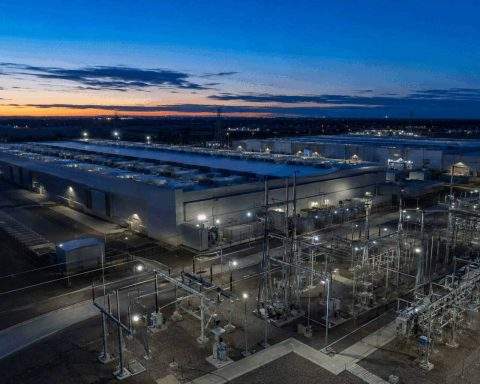
First up: AI infrastructure—the backbone for training and deploying artificial intelligence, with data centers, cloud services, and the chips that power it all. Google has started offering its own AI chips to select clients, stepping into Nvidia’s turf, though in a more focused slice of the sector. Forrester’s Lee Sustar points out Google is winning fresh business from customers eager to limit their reliance on just one cloud provider.
Ken Mahoney, who heads Mahoney Asset Management, didn’t hold back—calling Google the “shining star” when it comes to tech earnings. For Daniel Newman, CEO over at Futurum Group, the big worry is falling behind: he says if the major cloud players shortchange investments now, the risks are serious. Reuters
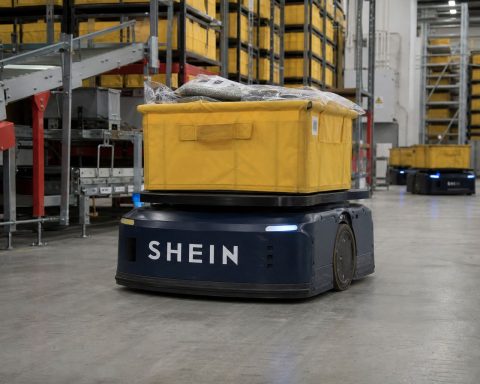
The other technology: robot intelligence—software aimed at letting robots see, choose, and operate in the real world. Meta picked up Assured Robot Intelligence, a small AI startup out of San Diego focused on humanoid robots. According to a Meta spokesperson, the company is building systems so robots can read and adjust to human actions in complicated environments.
Meta’s move lands it squarely in a space where Amazon and a pack of robotics-software startups are already active. Nick Crance, partner at AIX Ventures, told Business Insider that Assured Robot Intelligence zeroes in on dexterity and manipulation—in simple terms, teaching robots to work with physical objects on their own, not needing humans to guide every step.
Tokenized securities mark the third tech development here—think regular stocks, but wrapped as digital tokens on a blockchain ledger. On April 29, Computershare announced U.S.-listed clients now have the option to issue equity as tokenized shares via a deal with Securitize, while their traditional shares remain unchanged.
Computershare’s North American issuer-services chief Ann Bowering described the setup as tailored for the “existing regulatory environment.” Over at Securitize, CEO and co-founder Carlos Domingo said the arrangement lets U.S.-listed firms offer direct equity ownership through tokens, but leaves the core equity itself untouched. computershare.com
Policy shifts aren’t exactly linear. Coinbase on Friday announced a breakthrough: a deal on a crucial stablecoin-rewards section in a crypto bill, potentially paving the way for Senate movement. Stablecoins, by the way, are digital tokens meant to mirror assets like the U.S. dollar.
The hurdles here are significant. Building out AI infrastructure could become pricier if component costs keep climbing, and returns aren’t guaranteed. Robotics is still struggling to break into mass-market use. Tokenized markets? They’re not going anywhere fast until regulators, issuers and investors are on board with the underlying systems. Then there’s quantum computing, which stands as a cautionary tale: Reuters Breakingviews pointed out that IonQ, D-Wave, Rigetti and Xanadu together burned through roughly $500 million in operating cash in their latest financial years, yet commercial revenue is still minimal.
Wall Street aims for proof by year-end: cloud revenues need to climb, robot software can’t stay stuck in prototypes, and tokenized shares have to prove they work within the current market rules—without piling on fresh risk. The loudest voices in AI aren’t guaranteed to come out on top.
Related articles: NASDAQ:META