
New York, May 2, 2026, 03:47 EDT
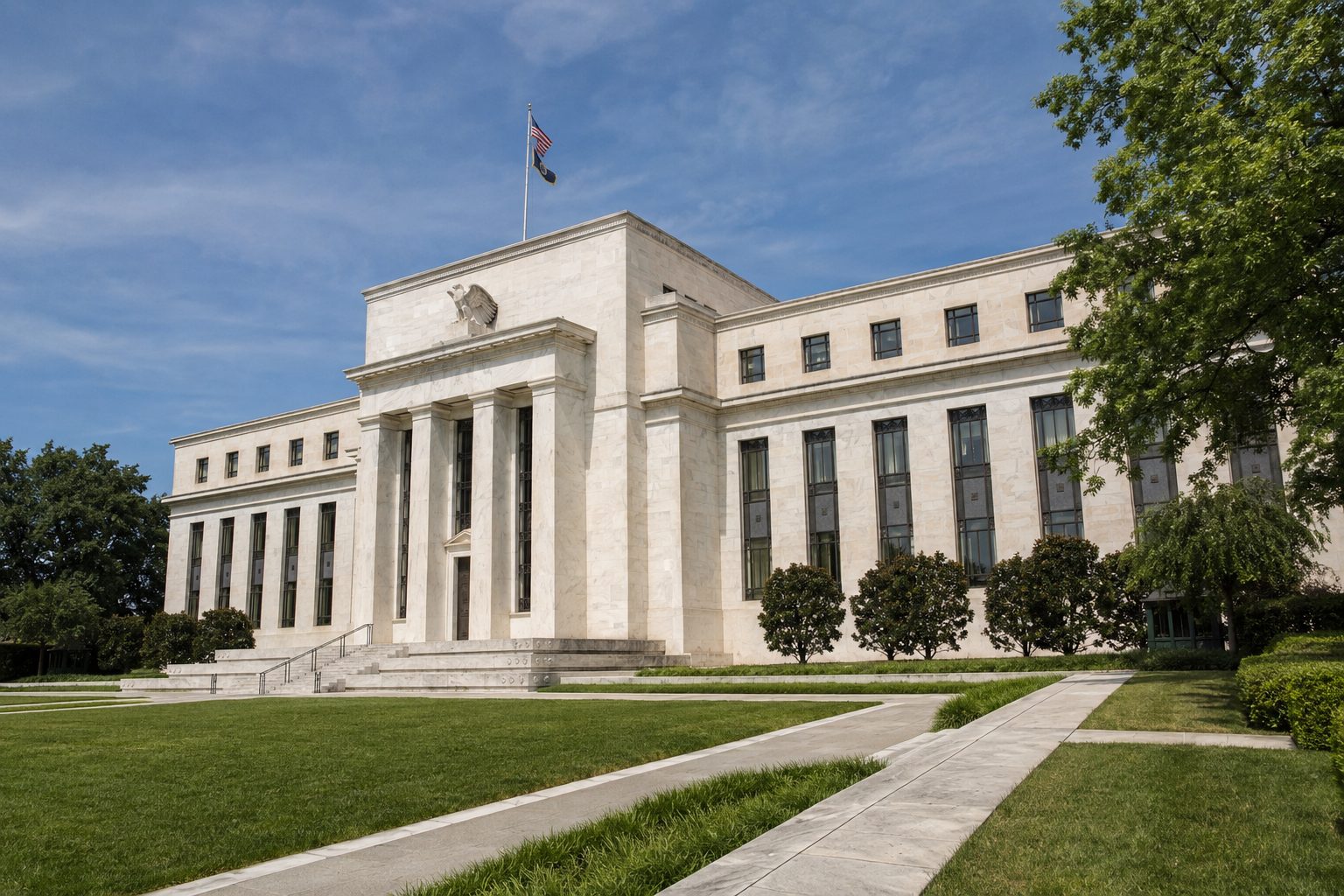
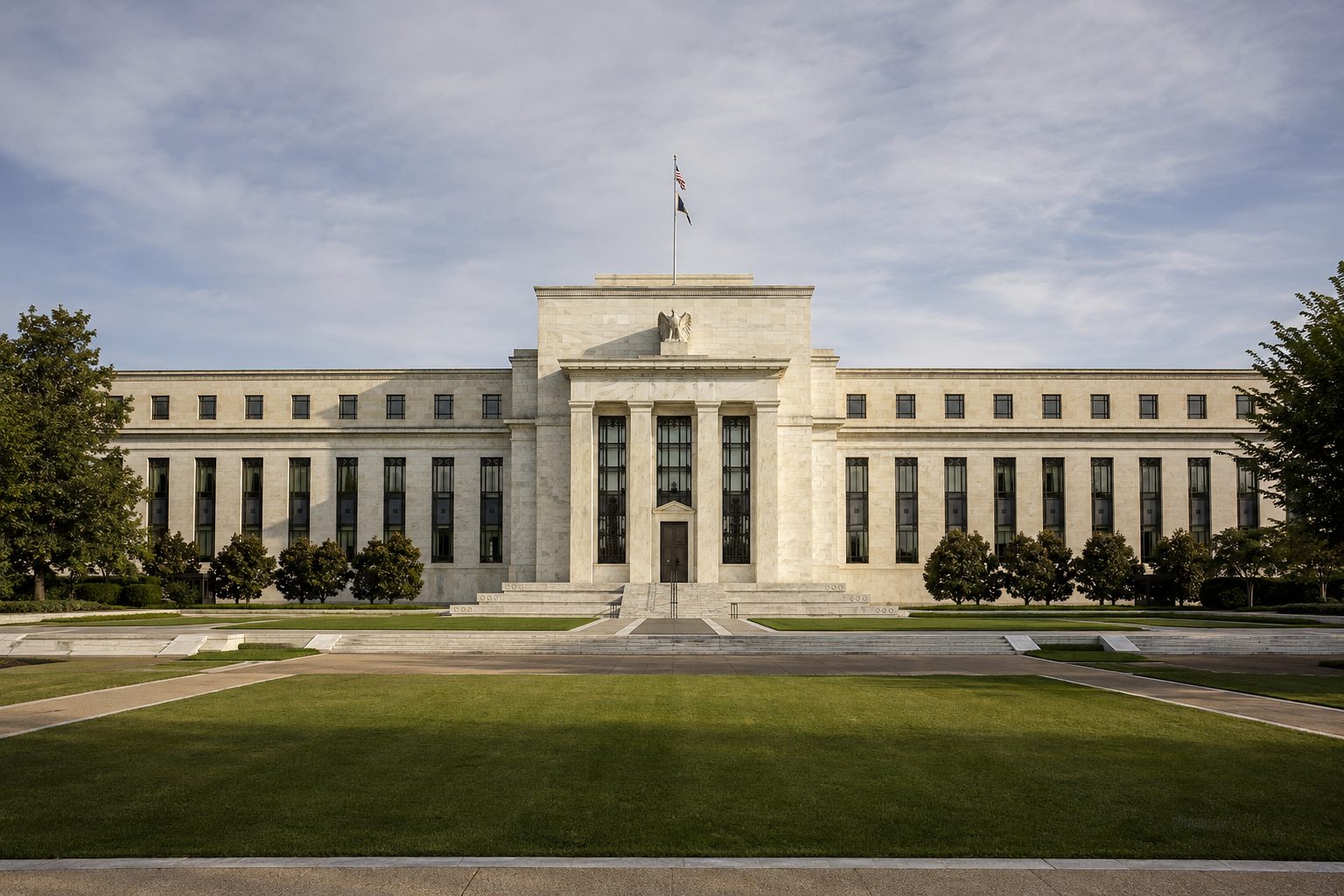
U.S. savers kicked off May facing a sharper dilemma—stick with barely-yielding bank accounts, or shift funds while short-term rates hold up. The Federal Reserve kept its policy rate steady at 3.50% to 3.75% this week. Meanwhile, prices in March increased 3.5% year-over-year on the Fed’s preferred inflation metric.
That’s turning cash into a more complicated choice. It keeps you covered if you lose your job, face an unexpected expense, or markets drop. But with yields stuck close to zero, holding cash isn’t neutral anymore—now inflation takes its cut.
The Fed flagged stubborn inflation and pointed to higher global energy prices, with ongoing Middle East tensions muddying the outlook. Bottom line: interest rates could stick at levels that benefit active savers, but rising prices threaten to chip away at funds left untouched.
The numbers tell the story. As of April 20, FDIC data had the national savings rate at 0.38%, with interest checking languishing at 0.07% and money-market deposit accounts offering 0.57%. That’s APY—annual percentage yield, which accounts for compounding. With inflation running above 3%, those yields still leave savers in the red.
Rates are much higher at online banks and credit unions. Bankrate’s May roundup had Vio Bank at 4.03% APY, LendingClub and Bread Savings both showing 4.00%, while Axos Bank was out in front at 4.21%. Run the math on $10,000 and the jump from 0.38% to 4.00% nets you about $362 more for the year, pre-tax. Not a fortune, but hardly pocket change.
Some rates push even higher, but usually there’s a catch—caps or other requirements. Varo Bank, for instance, can offer 5.00% APY on balances up to $5,000 if you qualify, according to Bankrate. It’s a notable shift: the traditional branch account faces off with digital rivals that adjust their deposit rates at a quicker pace.
Cash-equivalent picks remain in the mix. According to the Fed’s H.15 update on May 1, 3-month Treasury bills were yielding 3.59%, with 6-month bills close behind at 3.58% as of April 30. Money-market fund assets hit $7.63 trillion for the week ending April 29, the Investment Company Institute reported—evidence investors are sticking with cash-type holdings, despite yields easing off last year’s highs.
Treasury reset rates on Series I savings bonds as of May 1. Anyone picking up I bonds between May and October will see a 4.26% composite rate over the initial six months, with a 0.90% fixed yield layered on top of the inflation adjustment. They’re structured to offset inflation, but come with less liquidity than typical savings accounts.
Greg McBride, CFA, told Bankrate that savers right now are in a “unique environment”—his words—because “savings rates are still outpacing inflation.” But he cautioned that these higher rates might not stick around. Bankrate
It’s a messy macro picture. “The road ahead is more dangerous,” Sung Won Sohn, finance and economics professor at Loyola Marymount University, told Reuters, pointing to stress on consumers and persistent inflation—despite what the GDP figure might imply. Supply shocks are still in play, pushing prices higher and hitting growth, said Lydia Boussour, senior economist at EY-Parthenon. Reuters
Here’s the rub: High-yield savings rates aren’t fixed. They’ll drop if the Fed eases or banks squeeze margins. Certificates of deposit guarantee your rate, but you can’t touch your money until maturity. I bonds? No cash-outs in year one, and if you sell before five years, you forfeit three months of interest.
Money-market funds come with a warning of their own. According to the SEC’s investor bulletin, these funds aren’t FDIC-guaranteed, so—unlike bank accounts—there’s a risk of loss, however slim, even with the most conservative money funds. Bank deposits covered by the FDIC, on the other hand, are insured up to $250,000 per depositor, per insured bank, per ownership category.
Turns out, cash isn’t going anywhere. May’s blunder? Parking excess cash right where banks pocket most of the yield. Now the real choice isn’t about keeping cash—it’s about the best spot to park it.
Related articles: Stock Market