
New York, May 4, 2026, 13:04 EDT
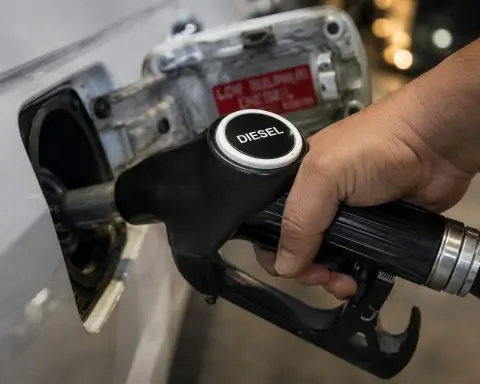
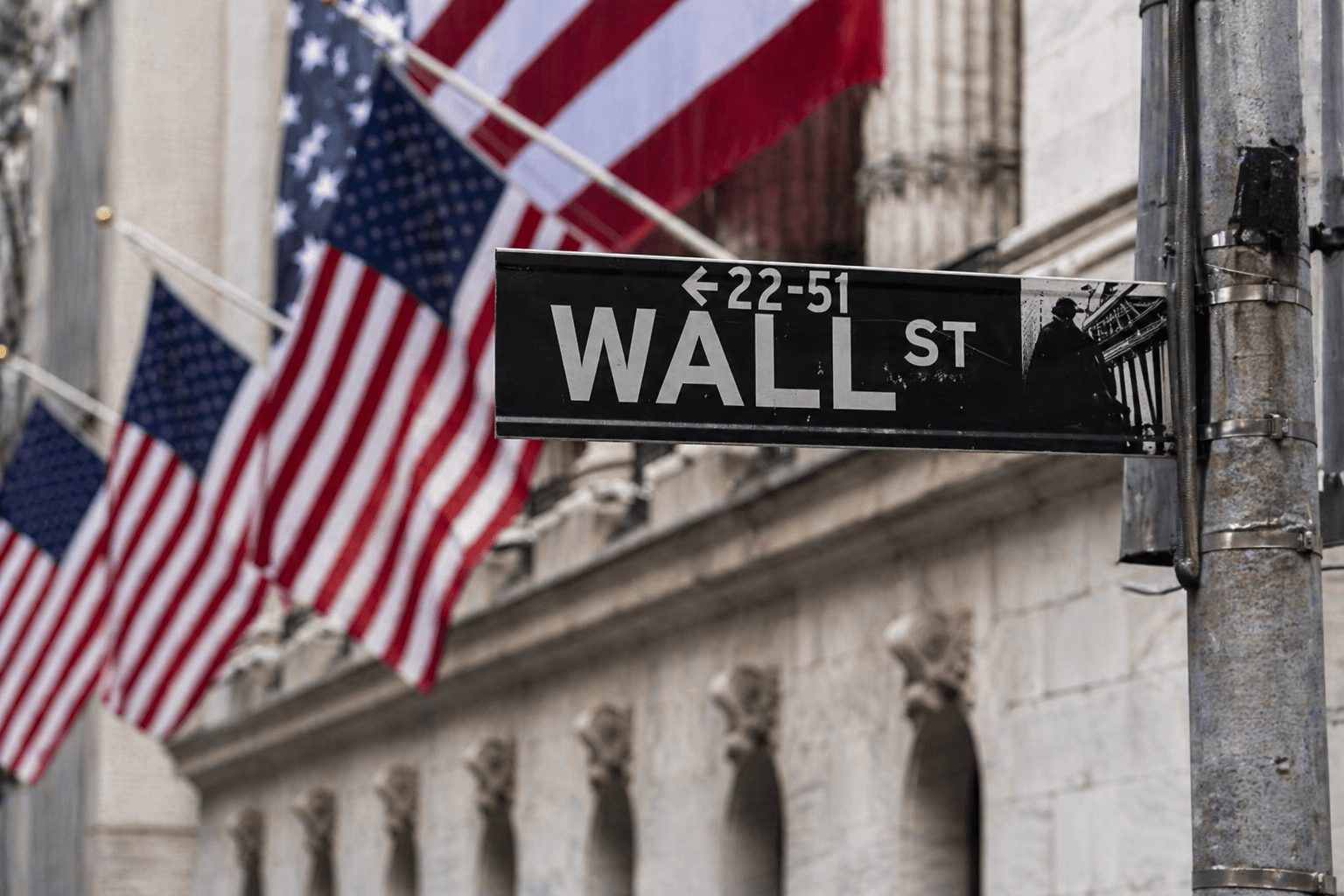
Stocks slid in the U.S. on Monday, with the Dow dropping almost 450 points as fresh jitters over the Strait of Hormuz sent oil surging. The Dow Jones Industrial Average slipped 0.90%, while the S&P 500 lost 0.44%. The Nasdaq Composite edged down 0.39%. Brent crude, meanwhile, spiked 5.31% to $113.91 per barrel, according to Reuters market data.
This shift caught investors off guard, as stocks had been positioned for upbeat earnings and a steadier energy market. That view didn’t last. Barclays became the latest brokerage to predict no Federal Reserve rate cuts in 2026, arguing that sustained, higher oil prices could push inflation higher and stunt growth.
The squeeze came right after the S&P 500 and Nasdaq locked in new all-time highs on Friday, boosted by hefty tech earnings. Yes, earnings still matter, but rising crude is tough for investors to brush off—its impact runs through fuel expenses, shipping rates, and could sway the Fed’s next move on rates.
State-affiliated outlets in Iran claimed a missile strike on a U.S. ship near the Strait of Hormuz, a report U.S. military officials denied. Later, the Pentagon said two American-flagged merchant vessels moved through the strait without incident. The United Arab Emirates, separately, reported intercepting Iranian missiles—an escalation that saw traders shift into risk-off mode.
The Dow tumbled 429.90 points by midday in New York, Reuters said, with the S&P 500 falling 32.63 and the Nasdaq sliding 101.96 points. Only one of the 11 S&P 500 sectors managed to stay out of the red. The CBOE Volatility Index climbed to 18.39, signaling heightened expectations for stock swings.
Brock Weimer, investment strategy analyst at Edward Jones, noted oil staying above $100 a barrel had begun shifting last year’s tax cuts from acting as stimulus to serving as more of a “shock absorber.” Adam Turnquist, chief technical strategist at LPL Financial, cautioned that seasonal trends don’t offer “a reliable guide,” though if oil prices ease and the Middle East stays relatively quiet, equities could get a lift—assuming earnings don’t disappoint. Reuters
Stock action wasn’t just about the big-picture moves. Amazon threw open its supply-chain network to outside businesses, a step that puts it head-to-head with UPS and FedEx. Shares of both delivery rivals tumbled. Equisights Research CEO Parth Talsania described Amazon’s new push as a “structural warning shot” in delivery routes packed with e-commerce. Reuters
Deal chatter yanked markets around again. GameStop lobbed a roughly $56 billion cash-and-stock bid for eBay, and CEO Ryan Cohen said he’s ready to take the proposal straight to shareholders if eBay’s board shuts him down. Cohen told the Wall Street Journal he thinks eBay has it in them to be a “legit competitor to Amazon,” Reuters reported. Shares split: GameStop slipped, eBay climbed. Reuters
Travel stocks exposed to fuel prices stumbled. Norwegian Cruise Line trimmed its 2026 profit outlook after misreading bookings, pointing to spiking fuel costs from Middle East tensions and softer demand. Carnival and Royal Caribbean, too, have warned about fuel price pressures.
Berkshire Hathaway handed investors something to chew on beyond the rally, as first-quarter operating profit climbed. Still, the conglomerate flagged economic uncertainty as a drag on its consumer-focused businesses. Cash ballooned to a fresh record at $380.2 billion, and Berkshire sold more stocks than it bought for the 14th quarter running.
There was a hint of wariness in fund flows. U.S. equity funds logged just $911 million in inflows for the week ended April 29—the least since March 18—with traders eyeing crude prices and the Fed. Money kept landing in technology funds, but healthcare funds bled cash.
There’s a risk that oil keeps trading at elevated levels long enough to snarl both inflation and corporate profits. Mark Malek, chief investment officer at Siebert Financial, called the Hormuz standoff the “wild card.” He noted that if there’s a breakthrough, energy prices could ease. But if the disruption drags on, it ramps up the threat of stagflation — think slower growth paired with hotter inflation. Investopedia
Investors are bracing for another packed slate of earnings, with reports due from AMD, Super Micro Computer, Palantir, Disney, and McDonald’s. On top of that, April’s payrolls land Friday. Market sentiment, Chris Larkin of E*TRADE from Morgan Stanley points out, depends in the short run on “sidestepping negative surprises” out of the Middle East, leaving earnings to set the tone. Reuters