
Geneva, May 4, 2026, 20:25 (CEST)
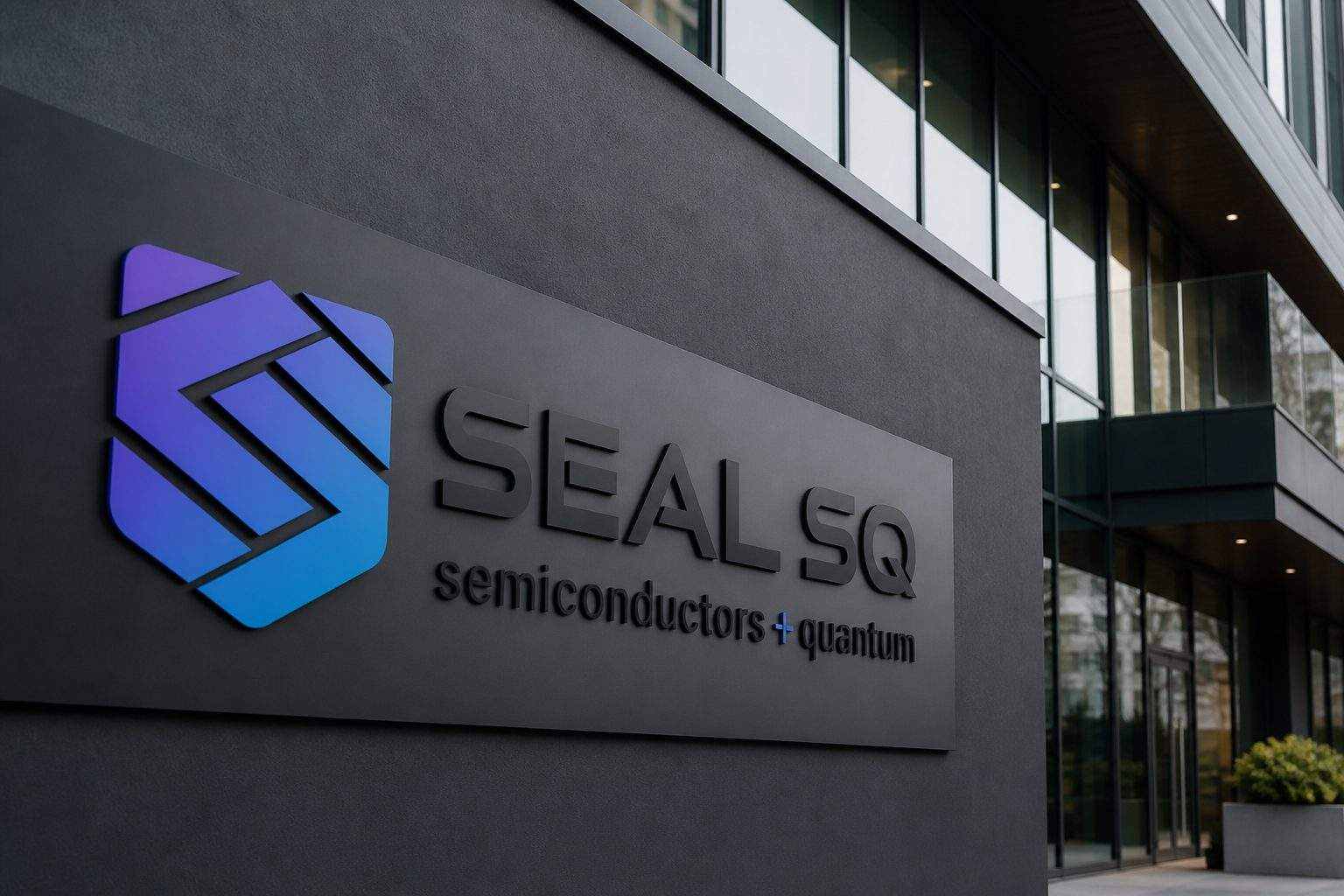
SEALSQ Corp jumped roughly 5% on the Nasdaq Monday, catching a wave of bullish options activity that pushed the small-cap quantum-security firm into the spotlight just ahead of its annual meeting. Shares last changed hands at $3.015, with turnover topping 12.9 million—trading had ranged from $2.84 up to $3.19 earlier in the session.
This shift lands as SEALSQ faces a packed agenda, with its investment story hinging on post-quantum cryptography—encryption meant to withstand the power of quantum machines down the line. Management has stressed to shareholders that the company’s not just talking up the quantum angle; it’s aiming to generate chip sales, secure certifications, and draw in strategic investments, not simply spin a market story.
On Monday, MarketBeat noted an eye-popping 78,492 SEALSQ call options changing hands—more than triple the norm, a 227% jump from the typical volume of 23,988. While the surge doesn’t confirm a wave of long-term bulls, it’s clear fast money is betting on a move higher.
SEALSQ heads into its May 7 shareholder meeting in Miami with seven current board members—Ruma Bose, Cristina Dolan, David Fergusson, Joao Carlos Creus Moreira, John O’Hara, Eric Pellaton, and Peter Ward—up for another term. Directors are seeking re-election as the board gets set to review the company’s financials and operating results.
SEALSQ reported a sharp jump in preliminary first-quarter revenue, landing at roughly $4.1 million—well over double last year’s $1.3 million. The company stuck by its 2026 revenue-growth forecast, still calling for 50% to 100% expansion. Cash and short-term investments stood at more than $525 million as of the end of March.
The company’s short-term pitch leans heavily on products like QS7001 secure elements and QVault trusted platform modules—security chips designed for key storage and device authentication. SEALSQ has said that revenue from these post-quantum offerings should start rolling in late 2026. Beyond that, management points to a broader business pipeline surpassing $200 million for the period spanning 2026 to 2029.
The countdown is ticking for the sector. Back in March, Google pegged 2029 as its target for completing the shift to post-quantum cryptography—a line in the sand that’s prompted security vendors to ramp up calls for ditching legacy RSA and elliptic-curve systems.
SEALSQ, eyeing that deadline, said on April 28 it submitted a fresh patent application targeting security for polynomial cryptographic algorithms—specifically, protection from side-channel attacks, where adversaries exploit things like power consumption, timing, or electromagnetic emissions instead of attacking the cryptography itself.
“Software-only solutions will not suffice for long-term security,” said Jean-Pierre Enguent, chief technology officer at SEALSQ, in the release, nodding to Google’s stated timeline. According to Enguent, their patent work zeroes in on physical implementation risks facing algorithms including Kyber—now recognized by NIST as ML-KEM. SEALSQ
SEALSQ faces a crowded field. In a securities filing, the company flagged heavyweight rivals in digital security—NXP, Infineon, and STMicroelectronics among them. Those players come loaded: broader customer lists, deeper pockets, stronger supply chains, and heftier IP arsenals, SEALSQ warned.
The risk isn’t hard to spot. Options activity dries up fast, and SEALSQ faces the challenge of turning its pipeline into real orders, finishing certification, and holding its ground on pricing—especially with larger suppliers able to move quickly or fold security into bigger chip packages. SEALSQ, in its own SEC filings, has openly tied its future plans to demand, chip market factors, and those other familiar risks.
Related articles: Stock Market