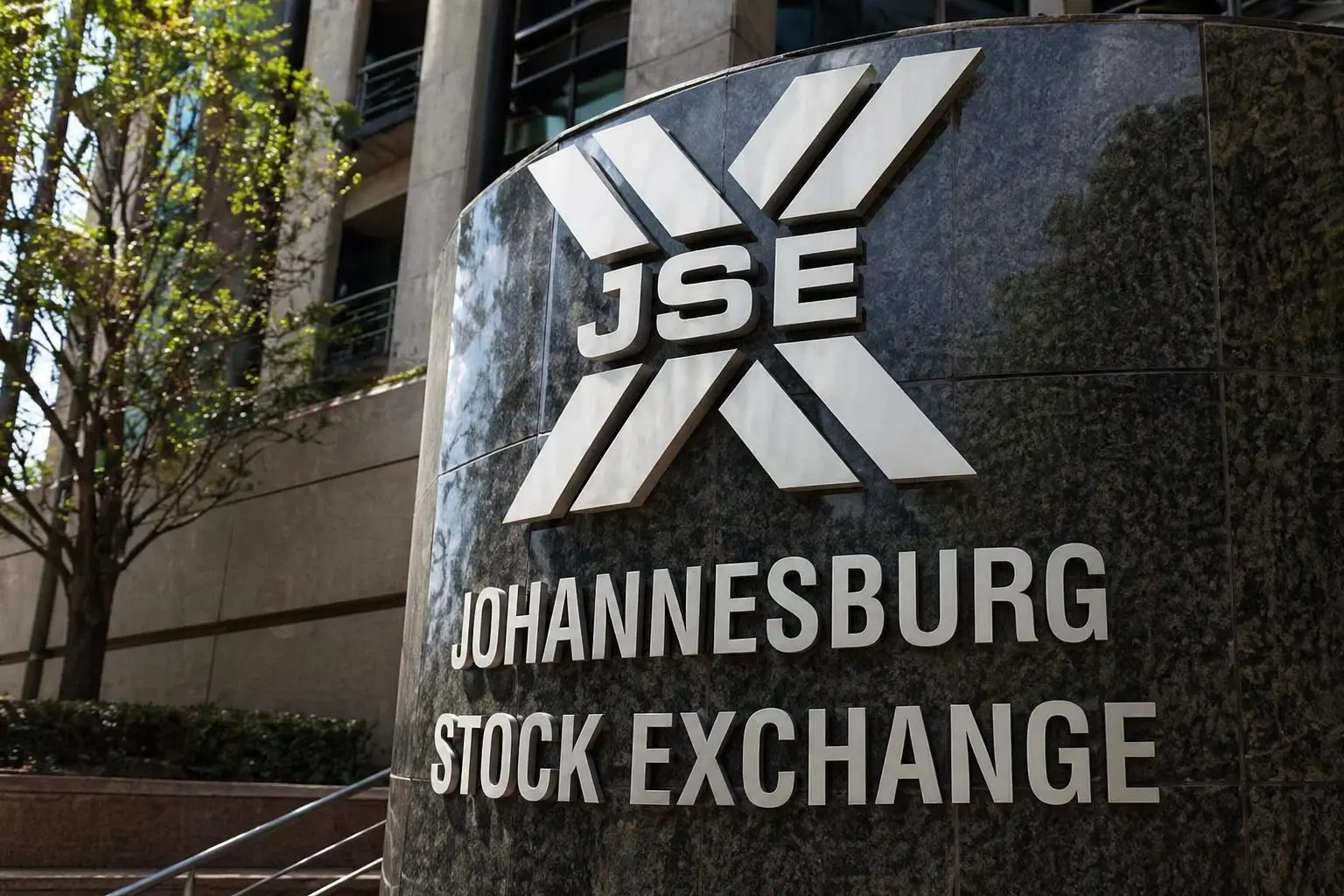

JOHANNESBURG, April 29, 2026, 12:02 SAST
- The JSE All Share and Top 40 slipped by late morning, as investors trimmed risk ahead of the U.S. Federal Reserve decision.
- Early moves saw the rand lose ground, piling more pressure on local assets with oil prices remaining elevated.
- The market got a whiff of reform with Canal+’s Johannesburg IPO plans and South Africa’s move on exchange controls. Still, trade on the day barely budged.
South African stocks slipped on Wednesday. By 11:15 a.m. SAST, the JSE All Share had dropped 0.28% to 114,081, while the Top 40 index lost 0.36%, settling at 106,199, according to JSE data. The Top 40 measures the performance of the exchange’s 40 largest firms by investable market value.
The timing was significant with investors already on edge. The rand edged down in early deals, tracking 16.5550 against the dollar by 0618 GMT—off around 0.2% from its last close, Reuters reported, as traders braced for the U.S. Federal Reserve’s rate call and weighed the economic drag from the Iran war and faltering peace moves.
Johannesburg traded without a clear lead from global peers. Asian shares leveled off, S&P 500 futures nudged up, while Brent crude stuck above $111 a barrel. Traders braced for earnings from Microsoft, Alphabet, Amazon and Meta—reports that may challenge risk appetite for tech-heavy equities.
Some of the JSE’s major cross-border players slid: Richemont slipped 2.58%, Gold Fields was down 1.42%, and AngloGold Ashanti dropped 1.29%. Naspers, Standard Bank, and FirstRand managed small gains, according to Trading Economics data.
The split turned what could have been a sweeping selloff into something more like selective repositioning. Banks managed to catch a bid, yet shares tied to resources and luxury lagged—a pattern that tends to surface when the dollar strengthens and investors dial down appetite for emerging-market risk.
The rand still dictates the mood in South African equities. When the currency weakens, exporters and rand-hedge shares tend to catch a break. But that upside brings a tradeoff: pricier imported fuel and goods. For South Africa, which brings in the bulk of its fuel from abroad, that’s no small headache.
There’s a chance oil prices remain elevated, with the Fed showing little appetite for rate cuts. South Africa’s central bank is already warning about inflation pressures from higher fuel costs. According to Reuters, market pricing suggests room for roughly two 25-basis-point hikes before year-end.
European shares lost ground, leaving the JSE with little support from abroad. The STOXX 600 shed 0.3%. London’s FTSE 100 slipped 0.5%. State Street’s Marija Veitmane flagged Europe as one of the biggest losers from the Iran war, citing pressure from higher oil prices on the region’s outlook.
Johannesburg’s corporate circuit had more to chew on: Canal+ announced plans to list on the JSE come June 3, marking the bourse’s debut for a French firm after its purchase of South Africa’s MultiChoice Group last year. Shares in Canal+ jumped 7.5% early after the company pointed to a “solid start” for 2026 and held its outlook steady. Reuters
Policy winds are changing for the long haul. South Africa is looking to rewrite its exchange-control framework, floating plans for relaxed capital-flow rules, bigger offshore limits for individuals, and a first set of crypto asset regulations. The JSE puts a number on it: at least 10 trillion rand in fresh investment could eventually come in.
National Treasury’s Vukile Davidson described the previous setup as a “blunt instrument,” according to Reuters. Desiree Reddy from Deneys called the new plan among the most significant shifts ever for South Africa’s capital-flow rules. While such reforms give investors more to think about, Wednesday’s trading action still hinged on oil, the rand, and the Fed. Reuters
Related articles: NASDAQ:META