Detroit, May 5, 2026, 08:05 EDT
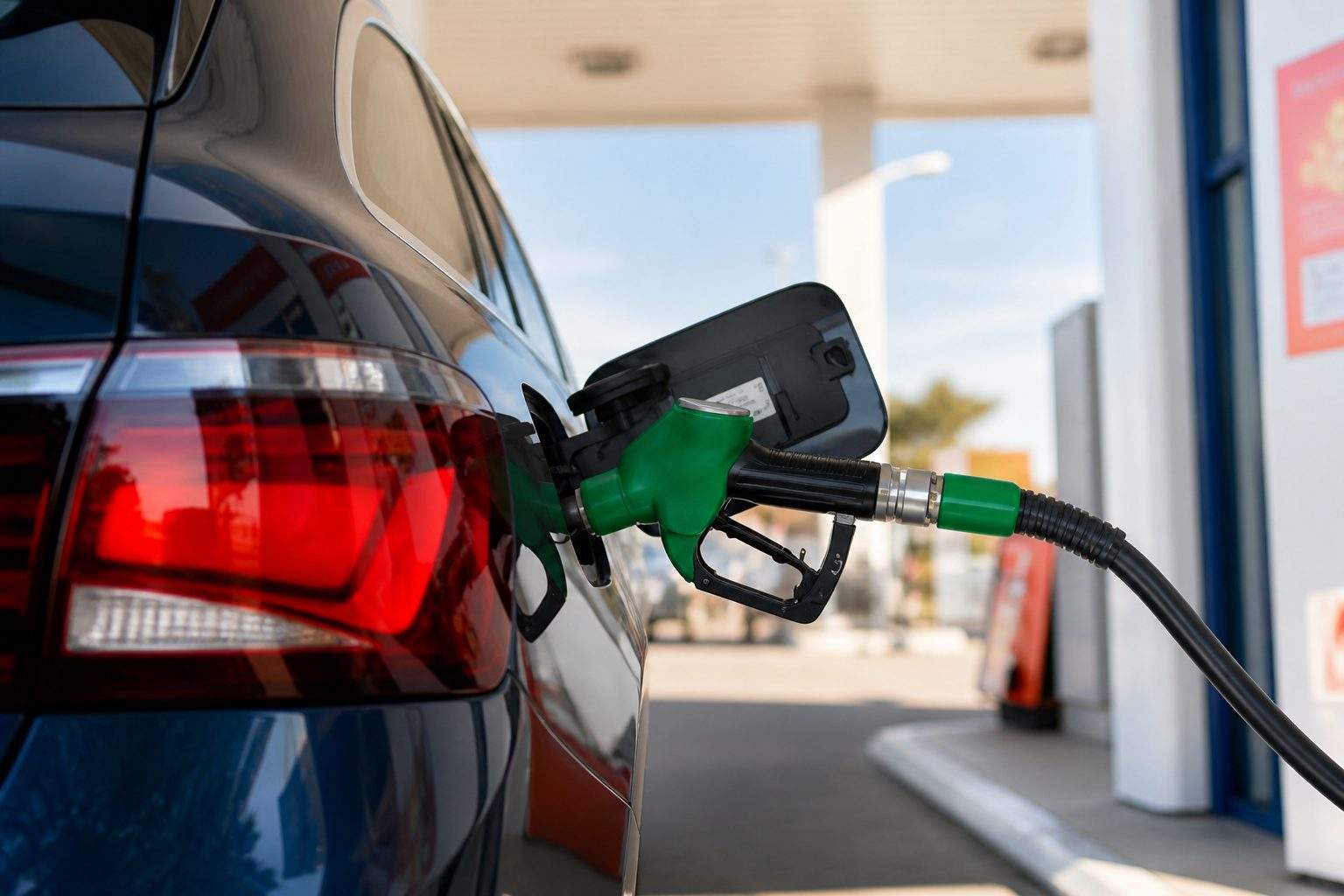
At midday Monday, Metro Detroit drivers saw gas climb to $4.82 per gallon—up almost 66 cents from the previous week. Local prices spiked as fallout from the Iran war combined with a BP refinery outage in Whiting, Indiana. Citing GasBuddy, Axios reported the region’s average now sits well above the national figure, and more than $1.50 over last year’s mark.
This isn’t just a one-city story anymore. AAA’s Tuesday numbers show Michigan gas at $4.828 a gallon, clearing the national average of $4.483. Over in Ohio and Indiana, prices were right up there too—$4.838 and $4.784, respectively.
Michigan drivers are handing over about $73 each time they fill up a 15-gallon tank, according to AAA of Michigan. Adrienne Woodland, spokesperson for AAA-The Auto Club Group, told reporters Michigan drivers are “feeling the squeeze” as they wait for oil prices to fall and gasoline inventories to recover. thealpenanews.com
Oil surged, plain and simple. Brent futures finished Monday at $114.44 a barrel, jumping 5.8%. West Texas Intermediate wrapped up at $106.42. The push, according to Reuters, came after Iranian strikes on ships in the Strait of Hormuz and a fire at a UAE oil port. “With oil holding above $100, fiscal stimulus just acts as a ‘shock absorber’ instead of driving growth,” said Edward Jones analyst Brock Weimer. Reuters
The Strait of Hormuz—a choke point for almost 20% of the world’s oil and gas shipments—remains tense. On Monday, according to the U.S. military, two American-flagged merchant vessels traveled through the passage. But the Associated Press noted that Iran has accused the U.S. of violating a tenuous ceasefire, keeping the threat of renewed conflict alive.
Oil prices slipped on Tuesday after a U.S.-flagged Maersk vehicle carrier, escorted by the U.S. military, made it out of the Gulf. Still, analysts stopped short of declaring the route open. “Prices remained in a highly volatile range,” said Priyanka Sachdeva, senior market analyst at Phillip Nova. KCM Trade’s chief market analyst Tim Waterer described the successful passage as “a one-off event.” Reuters
Still, prices aren’t locked in one direction. Morgan Stanley expects U.S. gasoline inventories could slip to roughly 198 million barrels by late August. The bank said gasoline margins—the spread between wholesale gasoline and crude—might climb another $10 to $15 a barrel if Hormuz risks stick around. On the flip side, a pickup in imports, easing tensions, or softer demand could just as easily knock margins lower.
Supply hasn’t provided much relief lately. The latest AAA fuel update, pulling from Energy Information Administration numbers, showed gasoline demand ticking up to 9.10 million barrels per day versus 9.05 million previously. Domestic supply slipped, landing at 222.3 million barrels from 228.4 million.
Policy’s in the crosshairs now. Early 2026 saw U.S. exporters moving record amounts of gasoline, diesel, crude, jet fuel, LNG, and ethane to help fill global supply gaps, but Reuters columnist Gavin Maguire points out the surge in exports is drawing political fire as Americans face higher fuel prices ahead of the November midterms. LNG—liquefied natural gas—mostly ships out by tanker.
Detroit isn’t in uncharted territory, but it’s feeling the pressure. AAA listed regular unleaded in Metro Detroit at $4.809 on Tuesday—still under the all-time high of $5.307 from June 2022. Diesel, though, just clocked a new local record at $6.023, according to AAA’s data.