MEMPHIS, May 5, 2026, 09:10 CDT
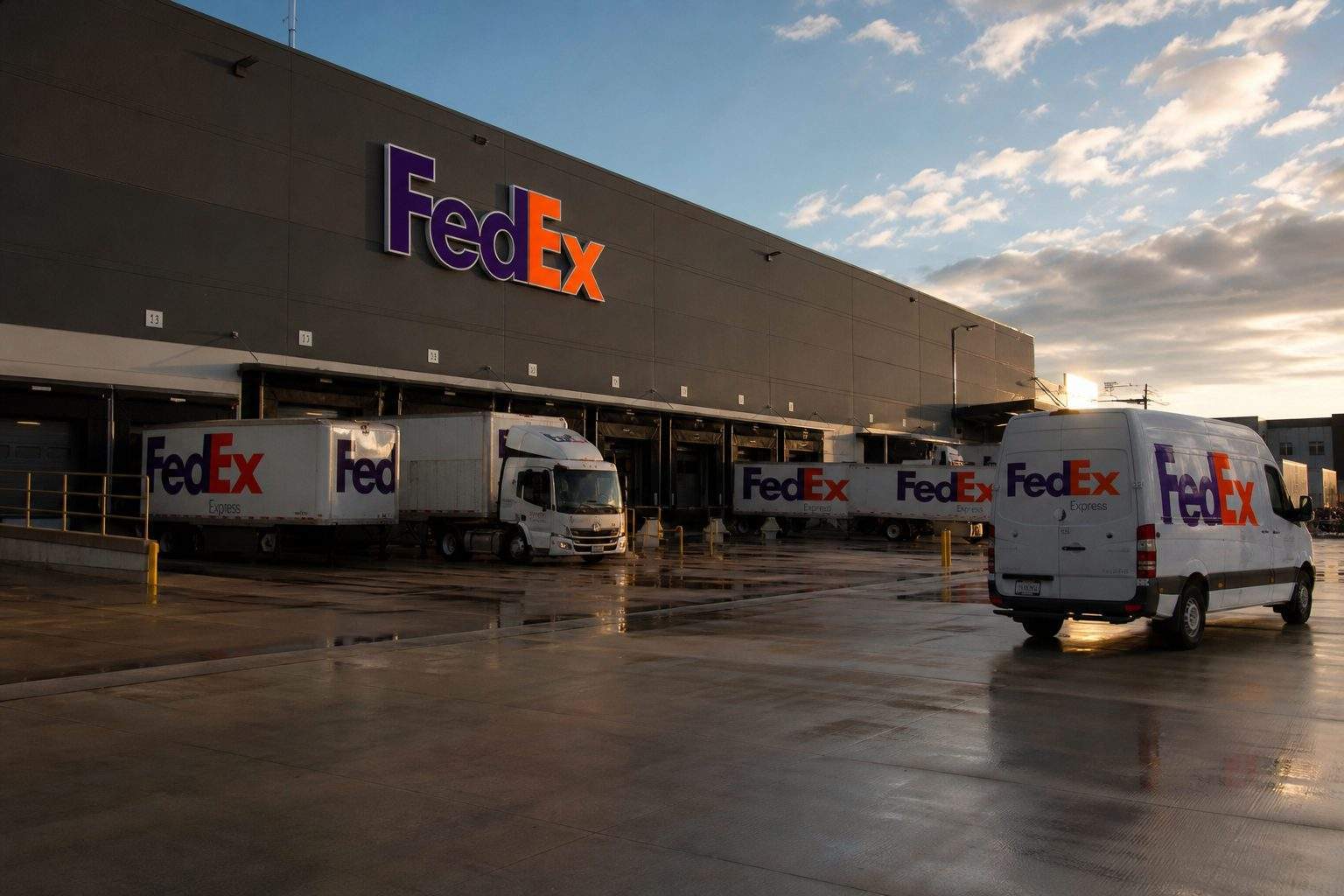
FedEx Corp. shares held their ground on Tuesday morning, as Amazon.com rolled out access to its supply-chain network for external businesses. The initiative ramps up Amazon’s competition with both FedEx and United Parcel Service across freight, fulfillment, and parcel shipping.
FedEx faces more than fresh competition on the delivery path. Amazon is transforming its logistics network—originally tailored for its own retail ops—into a broader offering for retailers, manufacturers, and healthcare firms. Shippers now have another channel for moving goods from raw inputs all the way to the end customer.
This comes just weeks ahead of FedEx’s scheduled FedEx Freight spinoff, at a time when the market had already baked in expectations for a rebound in the transport sector. Shares of FedEx had surged 36% for the year through Friday, but Monday’s drop trimmed those gains to about 24%, according to Bloomberg.
FedEx was last seen at $360.60 early Tuesday, up 0.8% from where it settled Monday. UPS climbed roughly 1.2%. Amazon added around 1.7%. Investors were left considering if Monday’s sharp swing marked an initial response—or signaled the beginning of something bigger in terms of repricing.
Amazon Supply Chain Services, known as ASCS, is rolling out freight, distribution, fulfillment, and parcel shipping to companies outside its regular marketplace. Early clients include Procter & Gamble, 3M, Lands’ End, and American Eagle Outfitters, the company said. ASCS vice president Peter Larsen described the goal as extending the “cost efficiency, reliability, and speed” that Amazon has long promised its own shoppers. Amazon News
Amazon runs a cargo fleet topping 100 planes—putting it behind just FedEx and UPS, according to Reuters. Warehouses and sorting hubs round out the network. The company’s logistics service promises delivery in two to five days and provides inventory forecasting. In e-commerce, that speed and inventory control help shave costs.
Analysts wasted no time weighing in. Evercore ISI described the move as “a direct competitive blow” to parcel players like UPS and FedEx. Parth Talsania, who heads Equisights Research, framed Amazon’s effort as an attempt to “convert logistics from a cost burden into an infrastructure product.” CNA
Morgan Stanley’s Ravi Shanker called the move “a watershed moment” for North American freight, warning that air freight and parcel businesses might take most of the blow. Nate Skiver at LPF Spend Management sees Amazon’s all-in-one service as a major disruptor, saying it “stands to disrupt the US logistics market.” Advisor Perspectives
FedEx isn’t coming in cold—recent figures look solid. Back in March, the company posted fiscal Q3 revenue of $24.0 billion and adjusted diluted earnings hit $5.25 per share. Management bumped its fiscal 2026 adjusted earnings target up to $19.30–$20.10 a share. The FedEx Freight spin-off? Still set for June 1, according to the company.
FedEx Freight stands as the top less-than-truckload (LTL) operator in the U.S., moving mixed-customer shipments together on a single truck. The unit is projecting 4% to 6% revenue gains over the medium term and is targeting 10% to 12% growth for adjusted operating profit. Rivals include XPO and Old Dominion Freight Line.
The risk cuts both ways. Amazon faces the challenge of selling enterprise logistics to clients beyond its own marketplace—and freight isn’t just parcels, after all. For now, Mark Hackett, chief strategist at Nationwide, called the direct effect “immeasurable” and described the market’s reaction as “likely exaggerated.” The Business Times
For FedEx, the risk is straightforward. Should Amazon start aggressively filling its open space and undercutting prices on busy e-commerce corridors, FedEx could face rate pressure before it feels any real volume hit. Investors, then, are stuck tracking two things: how quickly Amazon brings in third-party shippers, and what happens after FedEx’s June 1 Freight split.