
SAN JOSE, California, May 6, 2026, 07:00 PDT
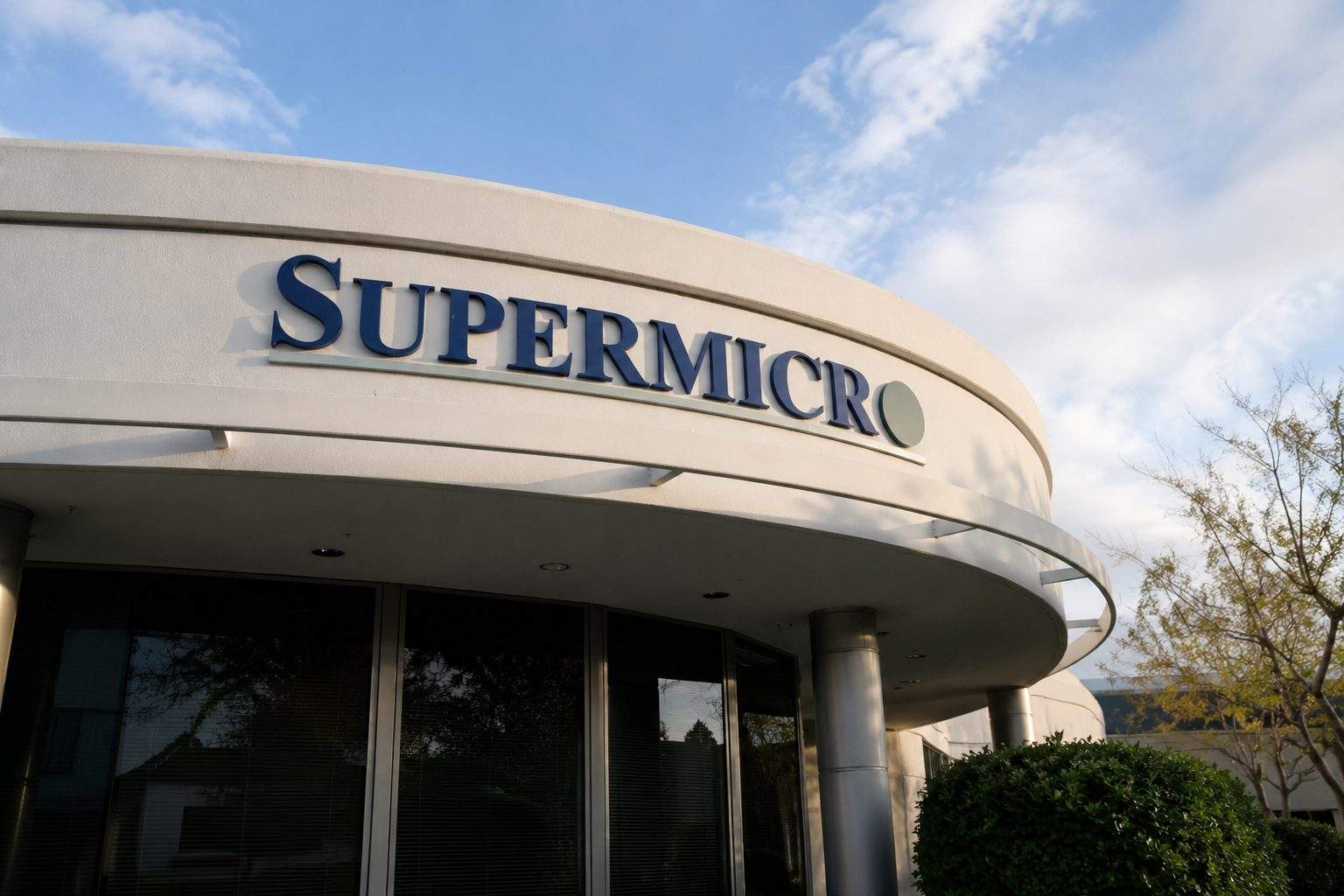
Shares of Super Micro Computer surged roughly 19% on Wednesday morning on the Nasdaq, after the AI server maker projected fourth-quarter revenue and adjusted profit ahead of Wall Street’s forecasts—a clearer sign of growth following a bumpy quarter. The stock recently traded at $33.13, up $5.30 from its Tuesday close.
Super Micro’s rally is notable right now. The company is deeply tied to the AI data-center expansion, selling AI servers—machines loaded with chips for training and running artificial-intelligence software. The latest results made it clear: demand persists, despite ongoing customer delays, parts shortages, and a steady stream of legal scrutiny weighing on Super Micro.
Super Micro posted net sales of $10.24 billion for the quarter ended March 31, up from $4.60 billion a year ago. Net income hit $483 million. Gross margin widened to 9.9%, compared with 6.3% the previous quarter. Adjusted earnings per share landed at 84 cents. Looking ahead, the company projected June-quarter revenue between $11.0 billion and $12.5 billion, with adjusted EPS guidance in the 65 to 79 cent range.
The forecast topped what analysts had been looking for. According to Bloomberg, their survey showed estimates averaging 57 cents in adjusted earnings per share and $11.2 billion in sales for the quarter ending June 30.
CEO Charles Liang says Super Micro is quickly transforming into a “total datacenter infrastructure provider,” highlighting signs of margin rebound and stronger demand for its Data Center Building Block Solutions—a package deal covering racks, cooling, power, and software. Super Micro Computer
The quarter came with some wrinkles. Revenue fell short of analyst forecasts gathered by LSEG, Reuters noted, and Super Micro pointed to delays around customer site readiness and ongoing supply-chain issues—those factors ended up pushing some expected revenue into future periods. Chief Financial Officer David Weigand flagged that revenue climbed 123% year over year, but sequentially, it dropped 19%.
The company is working to calm investors following March charges from the Justice Department against three individuals—including co-founder Yih-Shyan “Wally” Liaw—accused of conspiring to illegally ship U.S.-assembled AI-powered high-performance computer servers to China, a possible breach of export-control regulations. All three are presumed innocent unless convicted. Department of Justice
During the earnings call, Weigand told analysts there’s “been no change in allocation” when the conversation turned to supplier ties. Liang weighed in too, saying the company’s relationships with Nvidia, AMD, Intel and Broadcom are still solid. That matters, since winning supply of top-end chips determines how quickly server vendors can deliver big AI setups. The Motley Fool
It’s a tough market. Dell Technologies and Hewlett Packard Enterprise both push AI-ready servers but, like others, are squeezed by high production costs, scarce components, and fast chip upgrades. Margin pressure has become a shared headache, Reuters noted in March.
Super Micro jumped as the AI hardware rally picked up steam. AMD shot up roughly 21% in early hours after updating its AI demand forecast. Nvidia added 2.5%. Dell was up close to 4%; HPE edged down a bit.
Super Micro’s rapid expansion comes with some balance-sheet exposure. The company burned through $6.6 billion in operating cash last quarter, closed March holding $1.3 billion in cash and equivalents, and reported $8.8 billion in combined bank debt and convertible notes. Super Micro also flagged that its results are still preliminary, noting an ongoing independent review related to export-control matters. That review could potentially impact its outlook or past results.
There’s a new angle: energy. NANO Nuclear Energy announced Wednesday it’s entered a non-binding MOU with Supermicro, looking to combine its advanced microreactor tech with AI data-center hardware. Energy supply, once a footnote, is fast becoming central to the AI server conversation.
At this point, the forecast is what’s moving investors. Super Micro hasn’t cleared the legal uncertainty, and cash pressures from ramping up AI infrastructure remain. Still, Wall Street got a number to latch onto—at least for that first hour of trading.
Related articles: NASDAQ:SMCI