
Waterloo, Ontario, May 7, 2026, 10:02 EDT
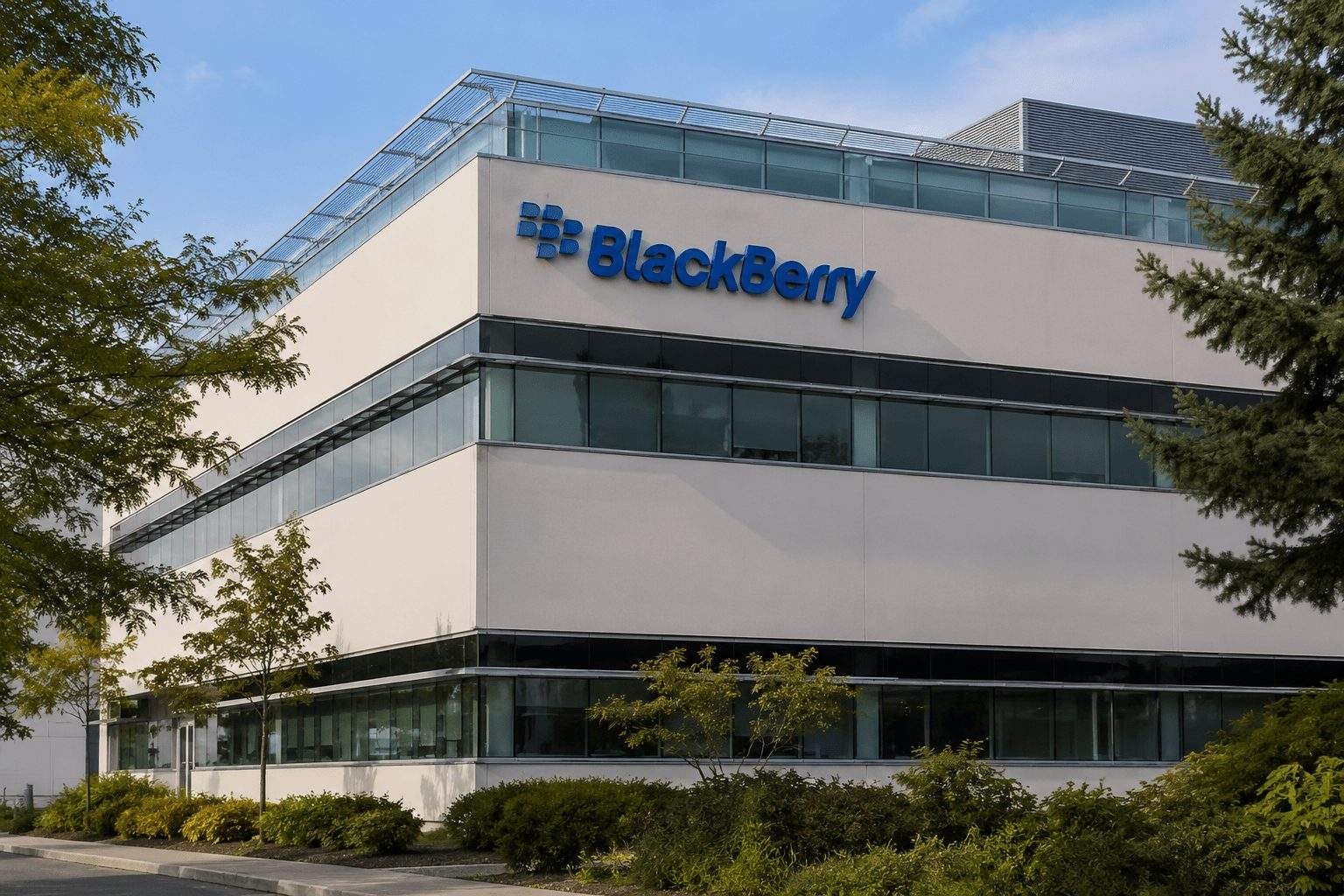
BlackBerry’s QNX division plans to spotlight its software at a Boston robotics conference later this month, aiming to highlight its potential uses beyond autos—think AI-powered robots, medical devices, and factory systems. On May 6, the unit announced it would deliver live demos, present a keynote, and unveil new research during the Robotics Summit & Expo, set for May 27-28. For BlackBerry, it’s another signal of its shift away from smartphones.
The timing is crucial here, with BlackBerry stock experiencing a swift revaluation. The U.S.-listed shares slipped about 1.3% in early New York action, last trading at $5.91. Earlier in the session, they reached as high as $6.19, following a run-up that briefly pushed the company’s market cap close to $3.5 billion.
Forget the legacy phone image—QNX is what’s catching investor attention now. That real-time operating system, designed for ultra-fast machine response, has become the story. BlackBerry shares jumped over 5% Monday, following a Wall Street Journal piece spotlighting QNX’s momentum. According to Investopedia, the stock was up more than 50% for the year at that point.
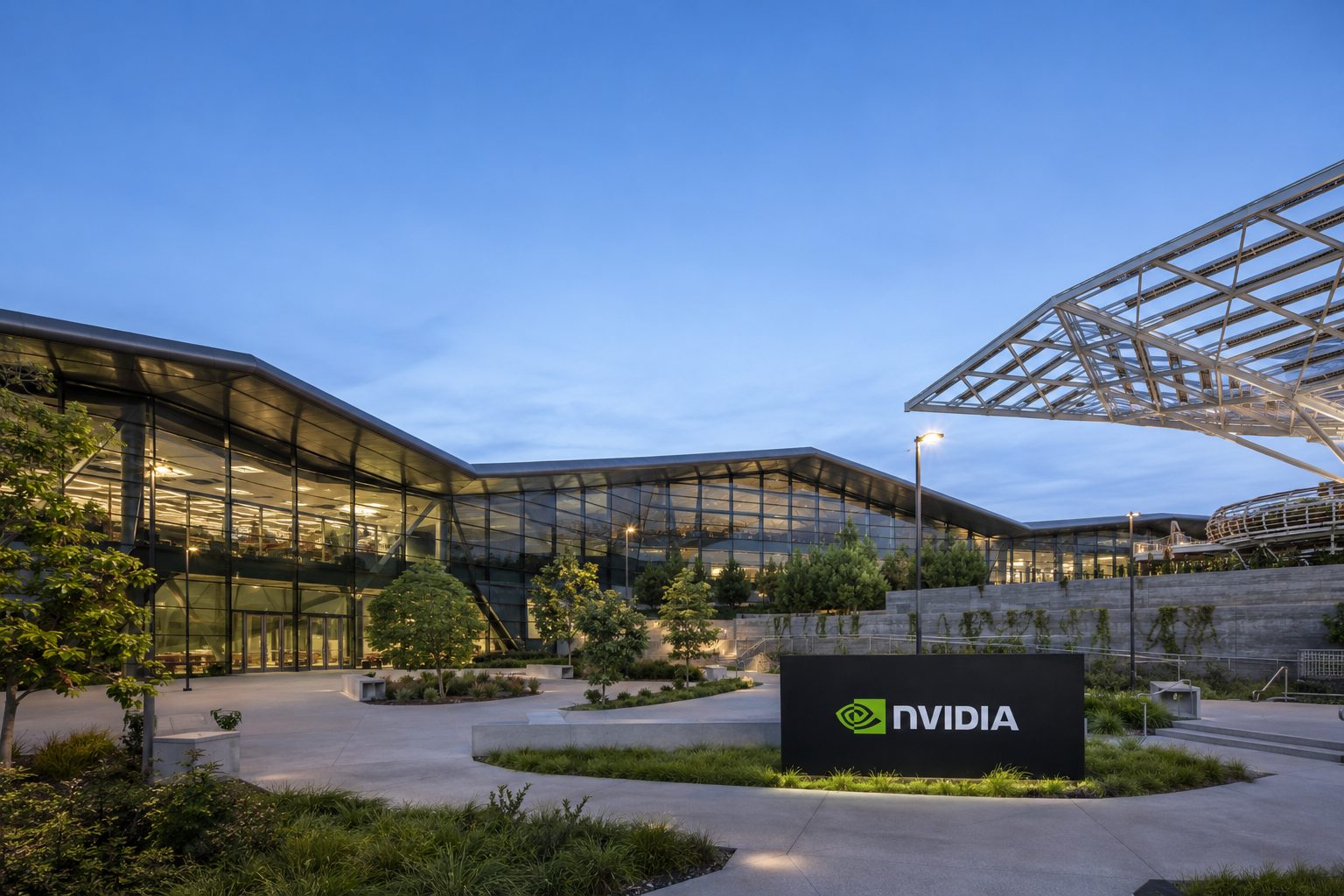
QNX plans to demo robotic arms, digital factory setups, and motion-replication tools, all powered by Intel and NVIDIA gear. It’s aiming to highlight what it calls “deterministic” control—basically, machines that respond in predictable ways—as artificial intelligence shifts beyond digital displays or simulations to real-world hardware. Nasdaq
“Robotics is at an inflection point,” QNX Chief Marketing Officer Carsten Hurasky said in the release. For him, it’s all about risk: “the safety stakes are incredibly high” when AI-powered systems are working around people. That’s the pitch at this stage—not just chatbot hype, but machine software where mistakes have real-world consequences. Nasdaq
BlackBerry’s push has been ongoing for weeks. In April, QNX announced it was deepening work with NVIDIA to bring QNX OS for Safety 8.0 together with NVIDIA’s IGX Thor and Halos safety stack, aiming at robotics, medical tech, and industrial systems. “Safety and determinism cannot be afterthoughts,” said QNX President John Wall. Newswire
Competition is heating up. Wall is set to speak alongside execs from Amazon Robotics, Locus Robotics, and Universal Robots in the Robotics Summit’s opening keynote on robot autonomy—BlackBerry’s software team now sharing a stage with firms pushing large-scale automation.
The rally caught a lift from BlackBerry’s latest earnings. As Reuters noted on April 9, QNX revenue jumped 20% to $78.7 million in the fourth quarter, and the unit’s royalty backlog swelled to roughly $950 million. For the first quarter, BlackBerry is projecting revenue between $132 million and $140 million — clear of the $129.9 million average analyst estimate from LSEG.
Chief Executive John Giamatteo described the business to Reuters as being centered on “regulated, complex, mission-critical solutions”—that’s the logic behind BlackBerry steering QNX toward robotics and medical systems rather than mass-market AI software. CFO Tim Foote added the company intends to increase spending on QNX sales and marketing, targeting physical AI, robotics, and medical uses. Reuters
The story comes with real risk. In its annual report, BlackBerry flagged steep competition for QNX, calling out embedded software rivals and open-source Linux. The company noted that competitors could outpace QNX, undercut on price, or exploit bigger customer rosters to grab market share.
The company noted that QNX revenue often gets pushed back, depending on when software-defined vehicle projects ramp up and when production begins at both auto and embedded-market clients. That’s significant: showing off robotics demos can stir up investor excitement fast, but actually turning those design wins into real revenue tends to take longer.
Right now, it’s all about execution for BlackBerry. Investors have the stock’s rally, the NVIDIA partnership and a QNX backlog on their side. But the question remains: can robots, medical devices, and factory systems actually grow beyond just being an add-on to BlackBerry’s automotive software business?
Related articles: Robotics


![Australia Stock Market Today 27/08/2026 [UPDATE: 11:31 AEST] [Miners Drag ASX Lower as MinRes Restores Dividend]](https://ts2.tech/wp-content/uploads/2026/08/AU-market-dashboard-2026-08-27-1124-480x384.jpg "Australia Stock Market Today 27/08/2026 [UPDATE: 11:31 AEST] [Miners Drag ASX Lower as MinRes Restores Dividend]")