Los Angeles—May 7, 2026, 16:02 PDT.
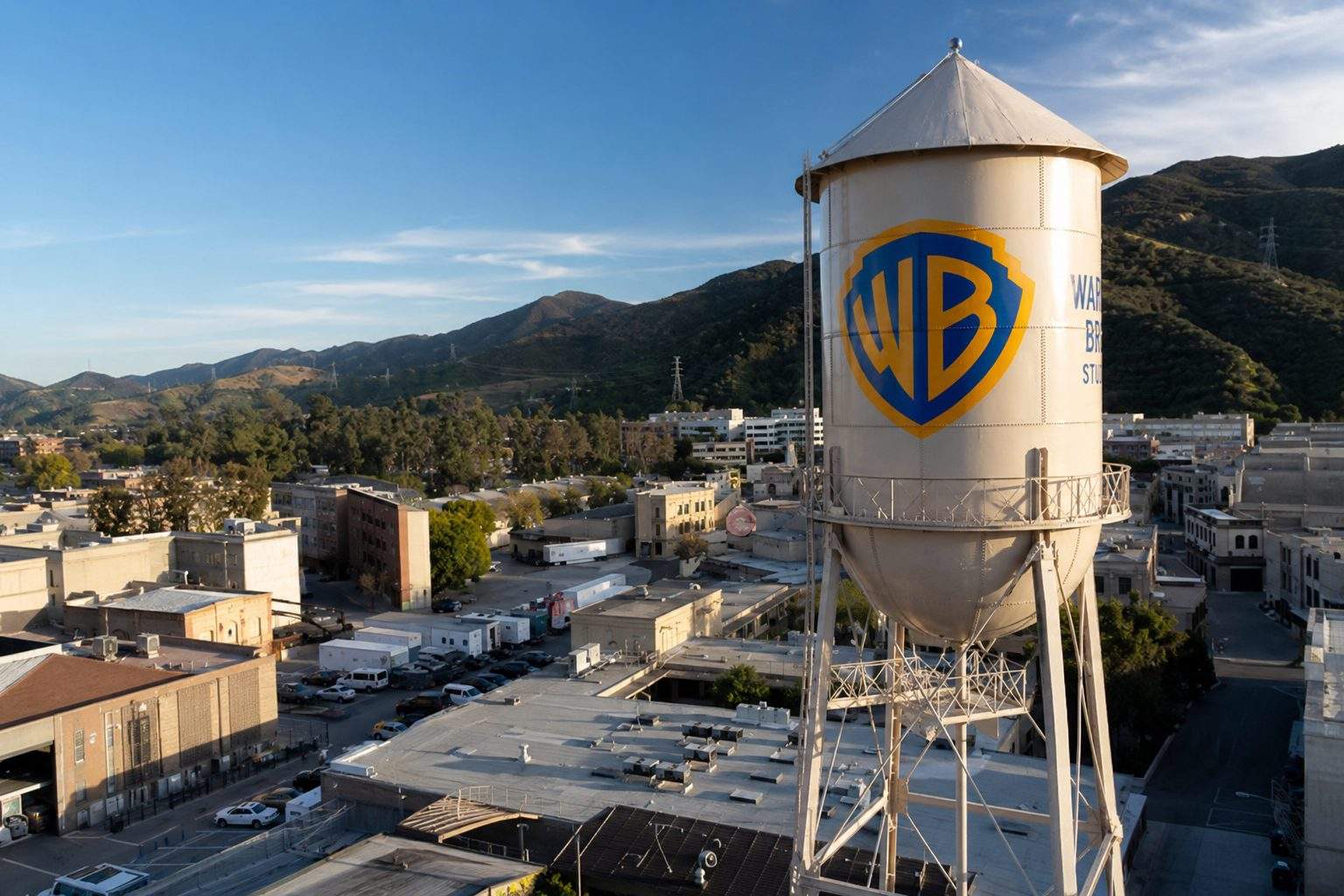
Thirty-four Democratic members of Congress from California are pressing state Attorney General Rob Bonta to give Paramount Skydance’s proposed takeover of Warner Bros. Discovery a hard look, flagging possible antitrust issues. In their letter, they’re asking Bonta to step in if he finds the deal could hurt competition—a key standard for regulators looking to stop mergers. Their push adds political firepower to a state review that’s shaping up as a significant hurdle for the $111 billion Hollywood tie-up.
Following shareholder approval at Warner Bros. Discovery, the focus now shifts from the negotiating table to regulators in California, Washington, and overseas. If cleared, the deal would consolidate Warner Bros., Paramount Pictures, HBO Max, Discovery+, Paramount+, CNN, CBS News, and more than two dozen cable networks under a single owner. Paramount, for its part, touts potential savings of at least $6 billion.
In California, it’s not only about who owns the big-name studios. Lawmakers pointed to a 13.2% slide in on-location filming around greater Los Angeles for July through September 2025, and more than 42,000 lost motion picture jobs in L.A. County from 2022 to 2024. Their message: as jobs vanish, more industry consolidation could further squeeze an already stressed workforce.
Back in February, Bonta flagged the Warner Bros. deals for a “full and robust review,” voicing concern that more consolidation might squeeze competition, threaten jobs, and limit consumer choice. No lawsuit so far. Still, the lawmakers are urging his office to keep the state’s review process separate from whatever happens with federal regulators. California DOJ
Paramount and Warner Bros. Discovery are standing by the deal, saying it’s a move to scale up as cord-cutting and streaming losses bite into the media landscape. Back in February, the companies announced Paramount would shell out $31 per share in cash, with closing targeted for the third quarter of 2026. The joint studio plans to put out at least 30 theatrical releases annually. Paramount CEO David Ellison called it an effort to “honor the legacy of two iconic companies.” PR Newswire
The way forward is anything but straightforward. Shareholders at Warner Bros. Discovery gave the merger the green light in April, but according to Reuters, the U.S. Justice Department has issued subpoenas digging into issues like studio output, content rights, streaming competition, and theatrical releases. PP Foresight’s Paolo Pescatore pointed out that management isn’t done yet—they still need to nail down regulatory approval and demonstrate lasting value. Forrester’s Mike Proulx added that, in his view, “real regulatory pressure sits overseas.” Reuters
Foreign capital is back in the spotlight. FCC Commissioner Anna Gomez, the lone Democrat on the panel, urged a tough look at investments from state-owned funds linked to Saudi Arabia, Qatar, and Abu Dhabi, warning of “serious, unresolved questions” around national security and press freedom. Paramount, for its part, maintains that the Ellison family will retain voting control. Reuters
On Thursday, the public pushback widened as actor Mark Ruffalo and antitrust advocate Matt Stoller took to a New York Times op-ed, urging artists to break their silence—even if it means risking their careers. According to TheWrap, Ruffalo and Stoller revealed that trying to gather support for a “block the merger” letter uncovered “a deep, ugly and pervasive fear of speaking out.” TheWrap
The numbers stack up on both sides. As of the end of March, Warner Bros. Discovery claimed over 140 million streaming subscribers, with Paramount+ at 79.6 million, Reuters noted. Combine them, and the total jumps north of 220 million—enough to bulk up against Netflix and Disney. Emarketer’s Ross Benes points out the merger could hand them the top U.S. sports lineup among streamers not named Disney, assuming the deal is cleared.