
New York, May 8, 2026, 16:06 EDT
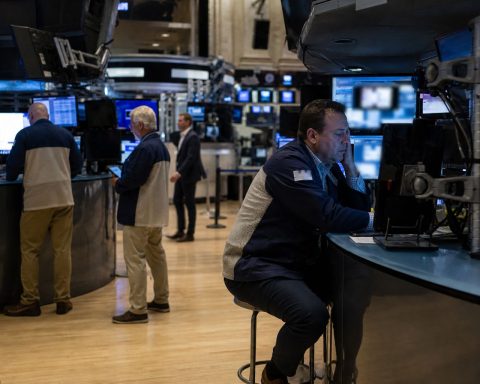
The Dow Jones Industrial Average barely budged Friday, eking out a 0.02% gain to close at 49,609.16. Blue chips found some footing after a solid U.S. jobs report, but tech stocks dominated the action. The S&P 500 climbed 0.84% to 7,398.93, while the Nasdaq Composite surged 1.71% to 26,247.08.
The split is in focus as Wall Street debates if the rally’s lost breadth. The Dow—still price-weighted, still just 30 big U.S. names—trailed once more, while chip stocks and AI plays hauled the major indexes to new records.
Investors didn’t hesitate after Friday’s jobs report. The Labor Department reported a 115,000 increase in nonfarm payrolls for April, while unemployment stayed at 4.3%. Health care, transportation and warehousing, and retail trade all posted gains.
The report dialed down recession worries, but didn’t spark any urgent shift in Federal Reserve thinking. After April’s jobs numbers topped estimates, Reuters reported that traders still see the Fed holding rates steady for a while.
On the positive side for the Dow, Cisco, Boeing, UnitedHealth, Apple and Nvidia all stood out. The flipside: McDonald’s, Salesforce, Home Depot and JPMorgan Chase weighed heavily. Salesforce slipped 2.56%, and McDonald’s lost 3.02%, capping gains for the index.
Tech names outperformed outside the Dow. Nvidia climbed 1.8%, according to Reuters, while Micron Technology and Sandisk both surged around 12% as buyers chased semiconductor stocks on the back of ongoing AI data center demand.
“Hard to wreck”—that’s how Rob Williams, chief investment strategist at Sage Advisory Services, sized up the U.S. economy in comments to Reuters, referencing solid productivity, robust spending, healthy household wealth, and steady earnings. Over at RBC Capital Markets, analysts bumped up their S&P 500 year-end forecast to 7,900 from 7,750, crediting upbeat earnings and continued momentum in AI-related stocks. Reuters
The Dow closed out the week with a gain, up 0.22%. Reuters headlines on MarketScreener noted the S&P 500 and Nasdaq each notched a sixth consecutive weekly rise.
Trouble showed up under the surface. The University of Michigan’s first read on May consumer sentiment dropped to 48.2, down from April’s 49.8, as respondents pointed to expensive goods, gas, and tariffs weighing on their outlook.
Joanne Hsu, who heads up the Surveys of Consumers, said shoppers are still feeling “buffeted by cost pressures,” with gas prices out in front. The survey found consumers now expect inflation at 4.5% for the year ahead, a slight drop from 4.7%. That’s still higher than prewar figures from the university. SC Analytics
The Dow faces a potential headache if oil prices remain high. Stubbornly elevated crude could firm up inflation expectations, which might keep the Fed from cutting rates and put some pressure on rate-sensitive names in the Dow—think banks, retailers, industrials. Sam Stovall, CFRA Research’s chief investment strategist, told Reuters that an extended period of pricey oil runs the risk of hurting both consumer confidence and spending.
The Dow ended just shy of front-runner status, holding steady but not quite breaking out. Investors, judging by Friday’s action, stayed focused on paying a premium for companies tied to earnings, semiconductors, and the AI story.
Related articles: NASDAQ:CSCO