
WATERLOO, Ontario, May 10, 2026, 15:01 EDT
- BlackBerry’s latest share buyback gets the green light on May 12, with the program stretching as long as a year if the company chooses.
- BB shares have surged, with QNX—its embedded software arm—drawing fresh attention. Now, the company is rolling out this plan.
- The company describes the buyback as offering flexibility, though it hasn’t committed to buying a set amount of shares.
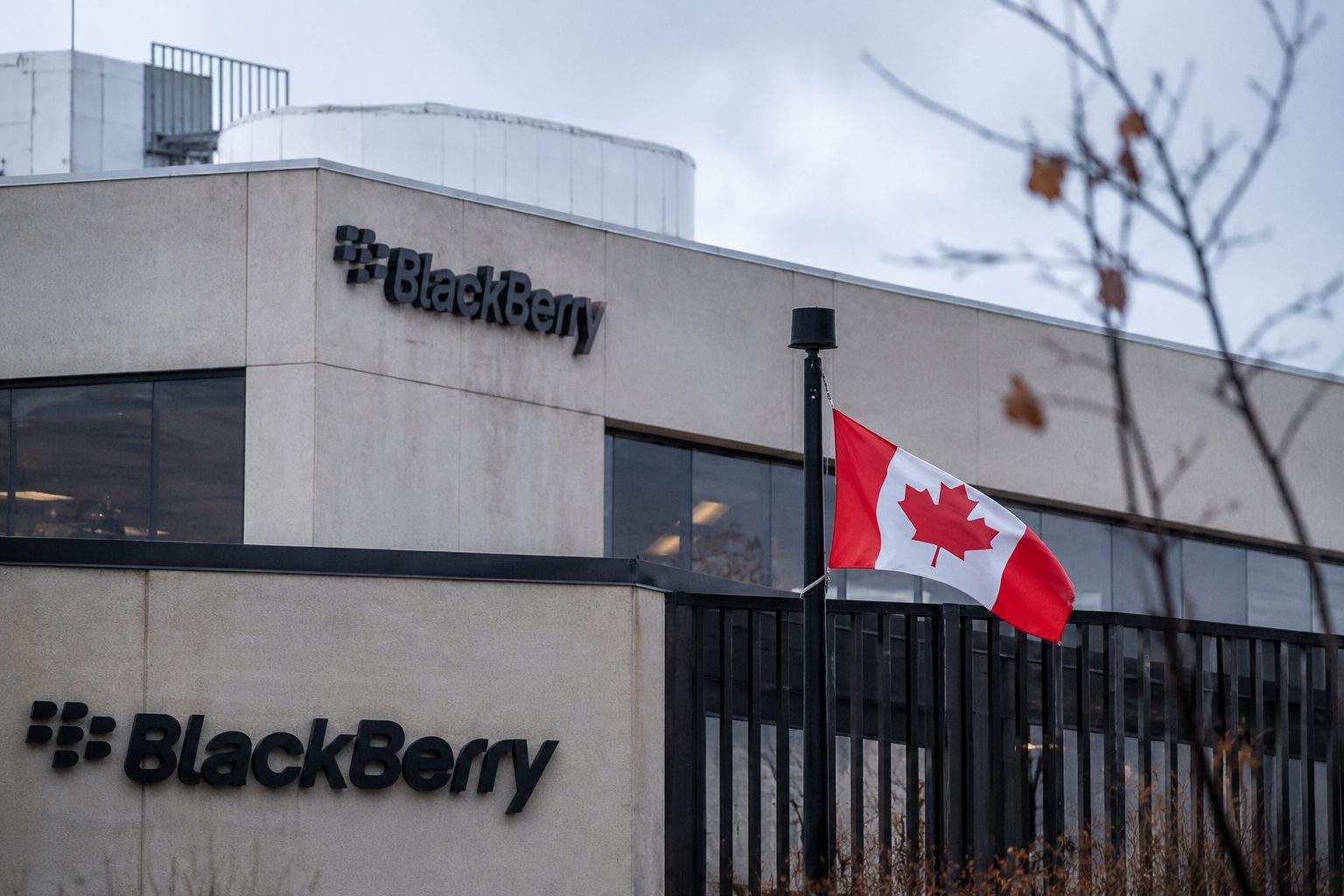
BlackBerry Limited kicks off a fresh share buyback this week, giving the Canadian software firm the green light to repurchase as many as 26,785,714 common shares. That approval comes just after the company’s U.S.-listed shares touched their highest point in over a year. The Toronto Stock Exchange cleared the normal course issuer bid—industry-speak in Canada for this kind of repurchase program—the company disclosed in a filing.
Timing’s a factor here. BlackBerry shares have surged lately as traders take another look at the company’s push into QNX—the real-time operating system now powering vehicles, robots, and other machines where instant response is crucial. Friday, Seeking Alpha noted the stock had logged its eighth consecutive gain; the last U.S. quote landed at $6.37.
The buyback comes only a few weeks after BlackBerry declared its turnaround finished, telling investors it sees positive operating cash flow ahead in fiscal 2027. In a May 8 filing, the company pointed to moments when its share price might not fully represent the business’s value, and said buying back shares could help counter dilution from equity awards.
BlackBerry’s new plan kicks in May 12, allowing the company to repurchase its stock across the TSX, other Canadian exchanges, the NYSE, and alternative trading platforms in both Canada and the U.S. Any repurchased shares go straight to cancellation. The buyback program wraps up by May 11, 2027, at the latest.
BlackBerry reported 586,061,407 common shares outstanding as of April 30, with a public float at 584,830,432 shares. Since kicking off its buyback in May 2025, the company has already repurchased 18,136,158 shares, paying a weighted average of $3.85 each.
Shares got a boost on better QNX results. Back in April, BlackBerry posted QNX revenue of $78.7 million for the fourth quarter, up 20% from the prior year, with the division’s royalty backlog sitting around $950 million. Total fourth-quarter revenue reached $156 million, topping analyst expectations, according to Reuters.
Last month, Chief Executive John Giamatteo told Reuters QNX’s foothold in regulated, mission-critical systems leaves it “much more immune” to wider software market upheaval. BlackBerry is set to ramp up investment in QNX, chiefly in sales and marketing, Chief Financial Officer Tim Foote said, targeting new ground in robotics, medical applications, and so-called physical AI—AI powering machines that operate in the real world. Reuters
That gives it a leg up on rivals. QNX competes head-to-head with Wind River, SYSGO, and Green Hills Software—each one landing on ABI Research’s April list of top real-time operating systems for robotics safety. “The market for safety-certified RTOS platforms is becoming increasingly strategic,” said George Chowdhury, senior analyst at ABI Research, pointing to higher safety hurdles for robotics makers. GlobeNewswire
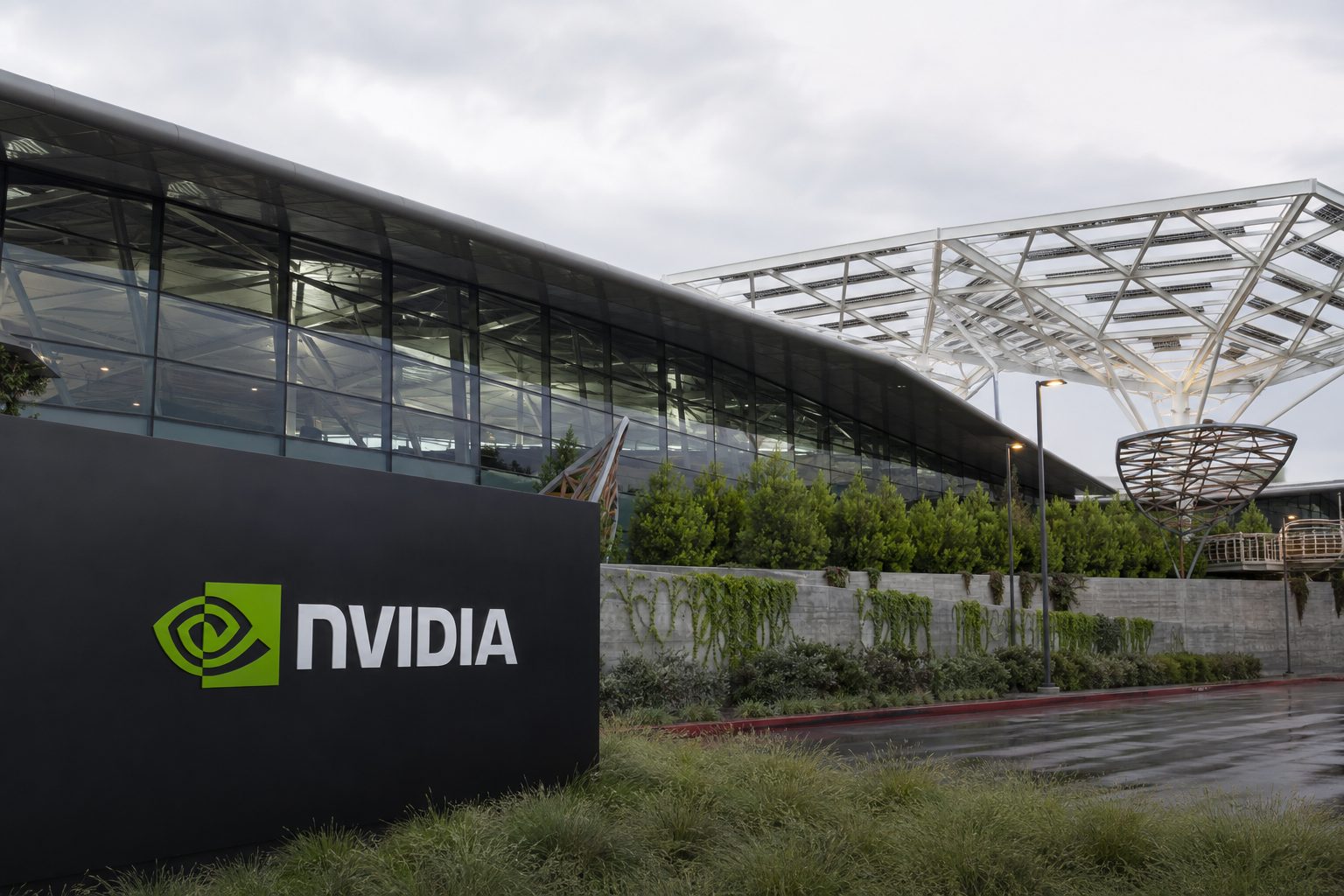
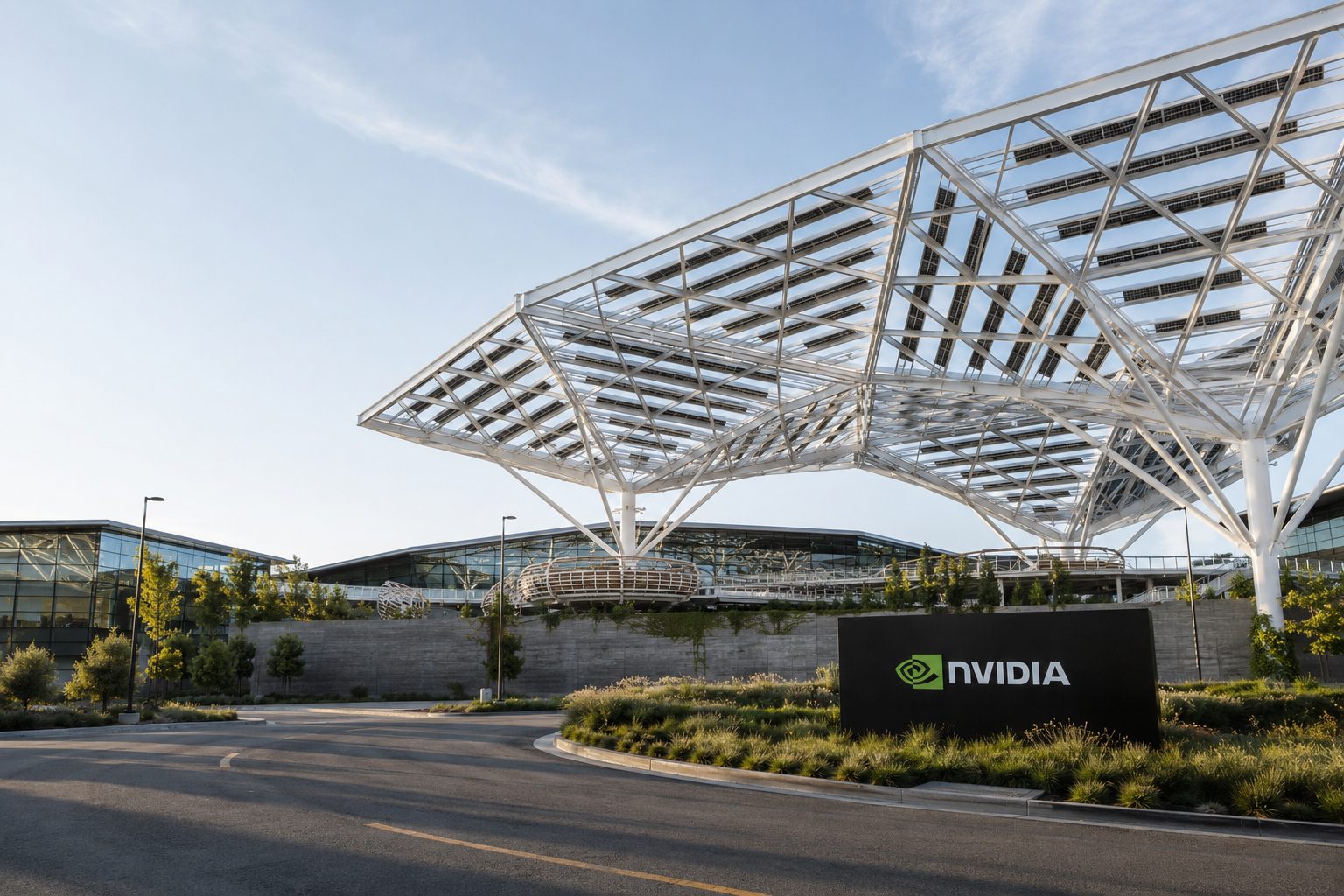
BlackBerry has pointed to its work with Nvidia as evidence that QNX isn’t just for autos anymore. Back in April, QNX said its OS for Safety 8.0 will be built into Nvidia IGX Thor and the Nvidia Halos Safety Stack—aiming squarely at regulated AI in sectors like robotics, medical devices, and industry. “Safety and determinism cannot be afterthoughts” as autonomy ramps up, QNX President John Wall said. Nasdaq
On May 6, the company put out word that QNX would be running robotics demos at Boston’s Robotics Summit & Expo, set for May 27-28. QNX plans to feature robotic-arm systems powered by LIDAR, vision sensing, and hardware from Intel and Nvidia. For BlackBerry, it’s another shot to pitch QNX as more than automotive middleware, pushing the industrial and robotics angle front and center.
The buyback isn’t open-ended, nor is it assured. BlackBerry stated that decisions on both quantity and timing will hinge on company discretion and must comply with exchange rules and securities regulations. The company emphasized there’s no promise on the amount—if any—of shares it will eventually repurchase.
Some analysts aren’t convinced by the recent gains. Following April’s numbers, Investing.com said Baird stuck with its Neutral rating and $5 target. Canaccord trimmed its price target to $4.40 from $4.60, held on to its Hold, and pointed to QNX’s involvement in safety-focused embedded software and physical AI.