
Beijing, May 14, 2026, 20:03 (China Standard Time)
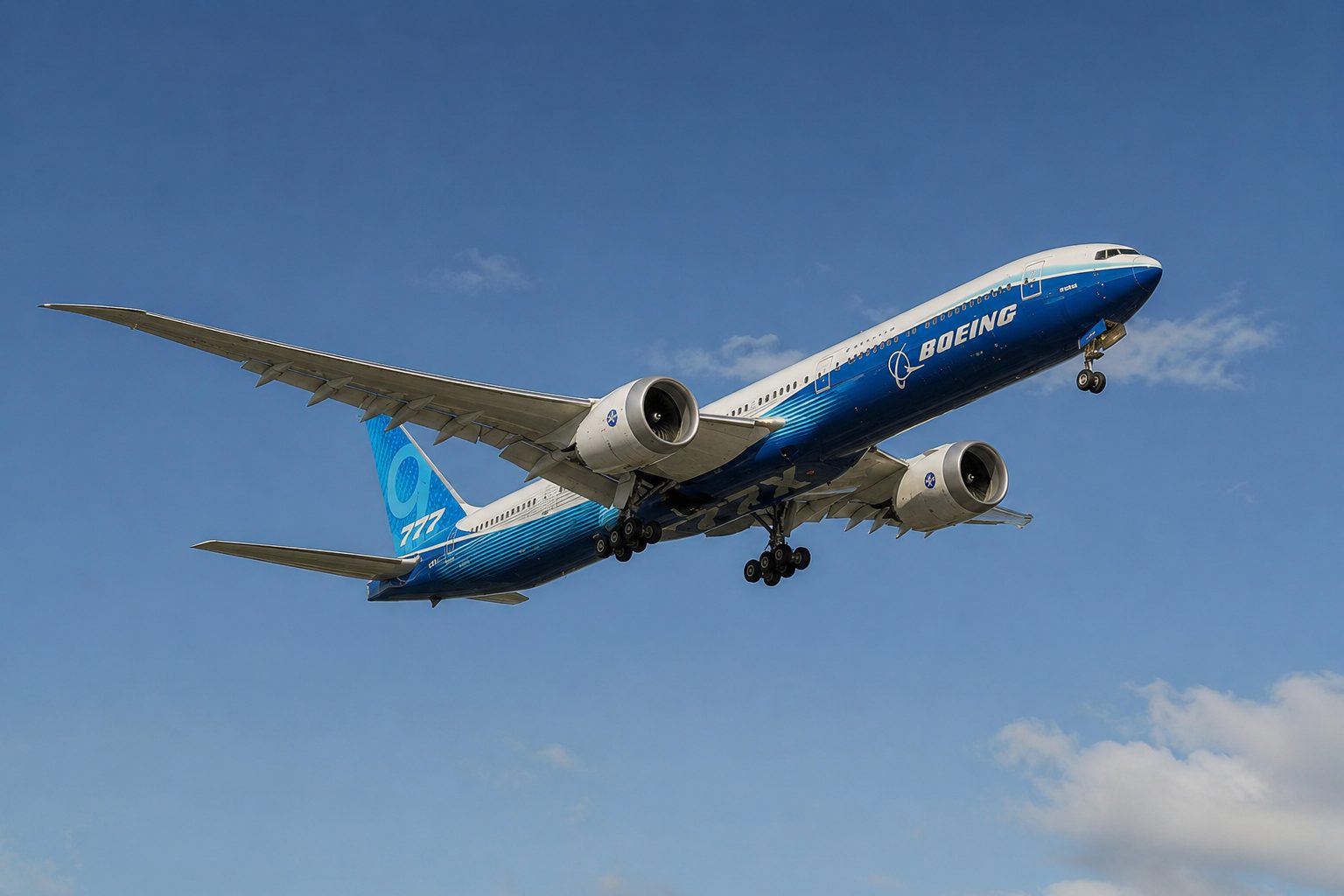
U.S. Treasury Secretary Scott Bessent on Thursday said he expects China will unveil sizable Boeing aircraft purchases during President Donald Trump’s trip to Beijing, thrusting the U.S. aerospace giant into the spotlight as trade and geopolitical tensions loom over the summit. “I think we’re going to see the large Boeing orders,” Bessent told CNBC, as reported by the South China Morning Post. Reuters
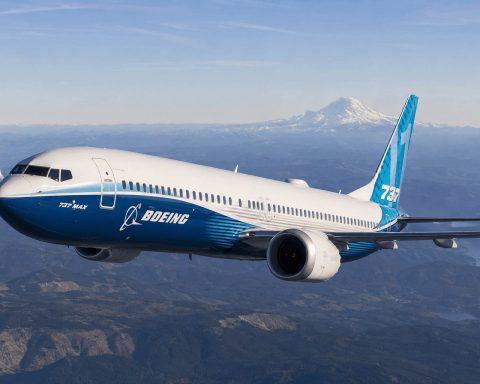
Boeing’s urgency stems from its efforts to revive a Chinese order pipeline that’s been mostly frozen for years. Back in April, Reuters reported that Boeing and China were in talks over a possible deal involving 500 737 MAX jets plus dozens of widebodies—what could shape up to be China’s biggest Boeing order since 2017, according to industry sources.
The deal would hand Trump a much-needed export win and offer Boeing Chief Executive Kelly Ortberg a cleaner comeback narrative, following turbulence around safety, output, and China exposure. Bloomberg noted this week that Ortberg still has to tackle the long-term question of a 737 successor. Meanwhile, China is weighing a purchase of roughly 500 narrowbody jets—critical single-aisle planes for short and regional hops.
Bessent said talks covered Chinese buying of U.S. energy and agricultural products, plus possible investment from China into U.S. sectors considered non-strategic. He described conversations about setting up both a “Board of Trade” and a “Board of Investment.” That second board would get an early look at deals—before anything lands at CFIUS, the national security panel for foreign investments. Reuters
Ortberg wasn’t shy about Boeing’s need for political backing. “Without the administration’s support, I don’t think we’ll see any near-term large orders out of China,” he told Reuters last month. He also said the deal hinged on the administration’s bigger push. Reuters
Trump’s business entourage highlighted the areas Washington is eyeing for agreements. According to a White House official who spoke to Reuters, executives including Boeing’s Ortberg, Apple CEO Tim Cook, and GE Aerospace’s Larry Culp were set to join the visit. Talks between the U.S. and China are expected to focus on trade platforms and potential deals involving Boeing, agricultural goods, and energy.
The stakes are high. Boeing’s 2024 China outlook pegs demand at 8,830 new commercial jets by 2043, with the country’s fleet set to more than double—from 4,345 to 9,740 aircraft. On Thursday, Fortune noted that both Boeing and Airbus expect China to claim the title of world’s biggest aircraft market by 2043.
Airbus, Boeing’s main competitor across the Atlantic, hasn’t been sitting on the sidelines. According to Reuters, the company set up a second final assembly line in Tianjin last year for its A320neo jets—direct rivals to both the 737 MAX and China’s COMAC C919. Airbus CEO Guillaume Faury expects the move will put the company on track to hit its goal of producing 75 A320-family aircraft per month by 2027.
The C919, China’s answer to foreign jets, remains a strategic story but is hardly rolling off production lines in numbers that matter yet. According to the South China Morning Post, just three C919s made it to Chinese airlines during the first quarter of 2026. Analyst Jason Zheng at Airwefly flagged persistent holdups with engines and components.
The chance now is that aircraft deals could end up as collateral damage in the broader dispute. According to Reuters, Xi told Trump that mistakes over Taiwan risk sending ties into “extremely dangerous” territory—possibly conflict. Washington is eyeing Boeing jets, agriculture, and energy on its wish list, while Beijing is pushing for relief from U.S. restrictions on advanced semiconductors and chipmaking gear. Reuters
Joe Mazur, geopolitics analyst at Trivium China, told Reuters that Xi’s Taiwan warning stood out, despite Beijing’s history of harsh rhetoric. “He’s warning the U.S. side in no uncertain terms not to screw around,” Mazur said. Reuters
Bessent didn’t say how many jets, who’s buying, or when deliveries might happen. So Boeing’s situation hasn’t changed much: politically, the path seems clear, but without a firm order, production dates, or a regulatory nod from China, the comeback is still just talk from the summit.
Related articles: NYSE:BA