
NEW YORK, May 14, 2026, 11:01 EDT
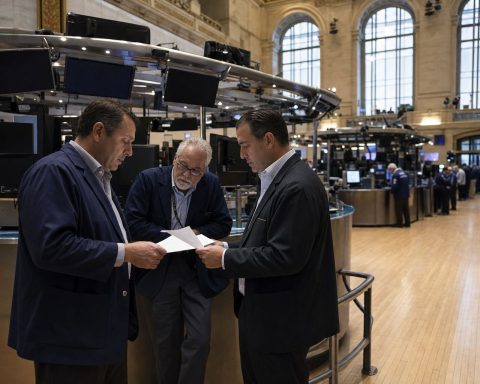
The Dow Jones Industrial Average climbed 198.31 points, or 0.40%, to 49,891.51 late in the morning, edging closer to that 50,000 threshold. Cisco’s post-earnings rally and renewed strength in artificial-intelligence stocks helped lift U.S. equities. The S&P 500 added 0.54%, with the Nasdaq Composite up 0.60%. Numbers are from Reuters’ U.S. markets page, citing LSEG data with at least a 15-minute delay.
This time, a tight cluster of big tech and AI-related stocks are steering the market’s record-breaking streak—even as worries about sticky inflation, oil swings, and a Federal Reserve in no rush to lower rates continue to hang over investors. According to Reuters, the S&P 500 and Nasdaq notched new intraday highs, thanks to gains in Nvidia and Cisco. Traders kept an eye on U.S.-China discussions and the latest economic numbers.
Cisco led the Dow on this day. The networking giant announced $5.3 billion in AI infrastructure orders from hyperscalers so far in the current fiscal year and bumped up its forecast for fiscal 2026 AI orders to $9 billion, up from $5 billion. Quarterly revenue for fiscal Q3 came in at $15.8 billion, a 12% increase year-over-year.
Cisco shares surged up to 17%, notching an all-time high, after the company boosted its full-year revenue outlook and announced plans to cut close to 4,000 positions—redirecting resources into AI, silicon, optics and security. That move sent the stock toward its largest single-day jump in over 20 years, Reuters reported.
Cisco wasn’t the only name riding the AI wave. Shares of Nvidia climbed roughly 3% on news from Reuters that U.S. authorities had signed off on sales of its H200 AI chip to around 10 firms in China, catapulting Nvidia’s valuation to about $5.6 trillion. That action boosted the Nasdaq, easing some of the weight from sectors more vulnerable to inflation.
Cisco’s CEO Chuck Robbins pointed to “very strong, broad-based demand for our products,” according to the Associated Press. BlackRock strategist Gargi Pal Chaudhuri noted that earnings results “reinforced that this is still an AI-led market,” though now the effects are spreading into chips, infrastructure, and some industrial sectors. AP News
Macro numbers handed bulls a narrow opening. According to the Census Bureau, retail and food-services sales in April climbed 0.5% from March, reaching $757.1 billion—note, those numbers don’t factor in inflation. Compared with April 2025, sales increased 4.9%.
The latest read on jobless claims showed the labor market holding steady. Initial claims increased by 12,000 to 211,000 for the week ended May 9, according to the Labor Department. The four-week moving average ticked up, now sitting at 203,750.
That’s a tough backdrop for rate-cut wagers. David Russell, global head of market strategy at TradeStation, told Reuters consumers aren’t in a recession, but they’re not exactly “powering the economy either.” The latest retail numbers, he said, were robust enough to take the prospect of rate cuts off the table. CME FedWatch, according to Reuters, had traders assigning over a 28% probability to a quarter-point Fed hike before year-end. Reuters
Prediction markets showed little optimism for policy easing anytime soon. On Polymarket, contracts priced in a 98% probability that the Fed leaves rates unchanged at the June 17 meeting, and pinned the odds of no rate cuts in 2026 at 72%. Kalshi, meanwhile, kept active markets running around both the June Fed call and how many times the central bank might cut rates in 2026.
Still, there’s a catch to this rally. Boston Fed President Susan Collins flagged the possibility of more tightening if inflation doesn’t ease, adding that a prolonged conflict in the Middle East could heighten risks for inflation. Over in Minneapolis, Fed President Neel Kashkari made it clear: the Fed is “dead serious” about pulling inflation back. Reuters Reuters
The Dow faces a straightforward hurdle: can Cisco’s rally, along with AI enthusiasm, keep the index hovering around 50,000 by the close? High yields, driven by inflation, could turn that mark into a profit-taking zone rather than a breakout point.
Related articles: NASDAQ:CSCO