New York, May 15, 2026, 06:50 EDT
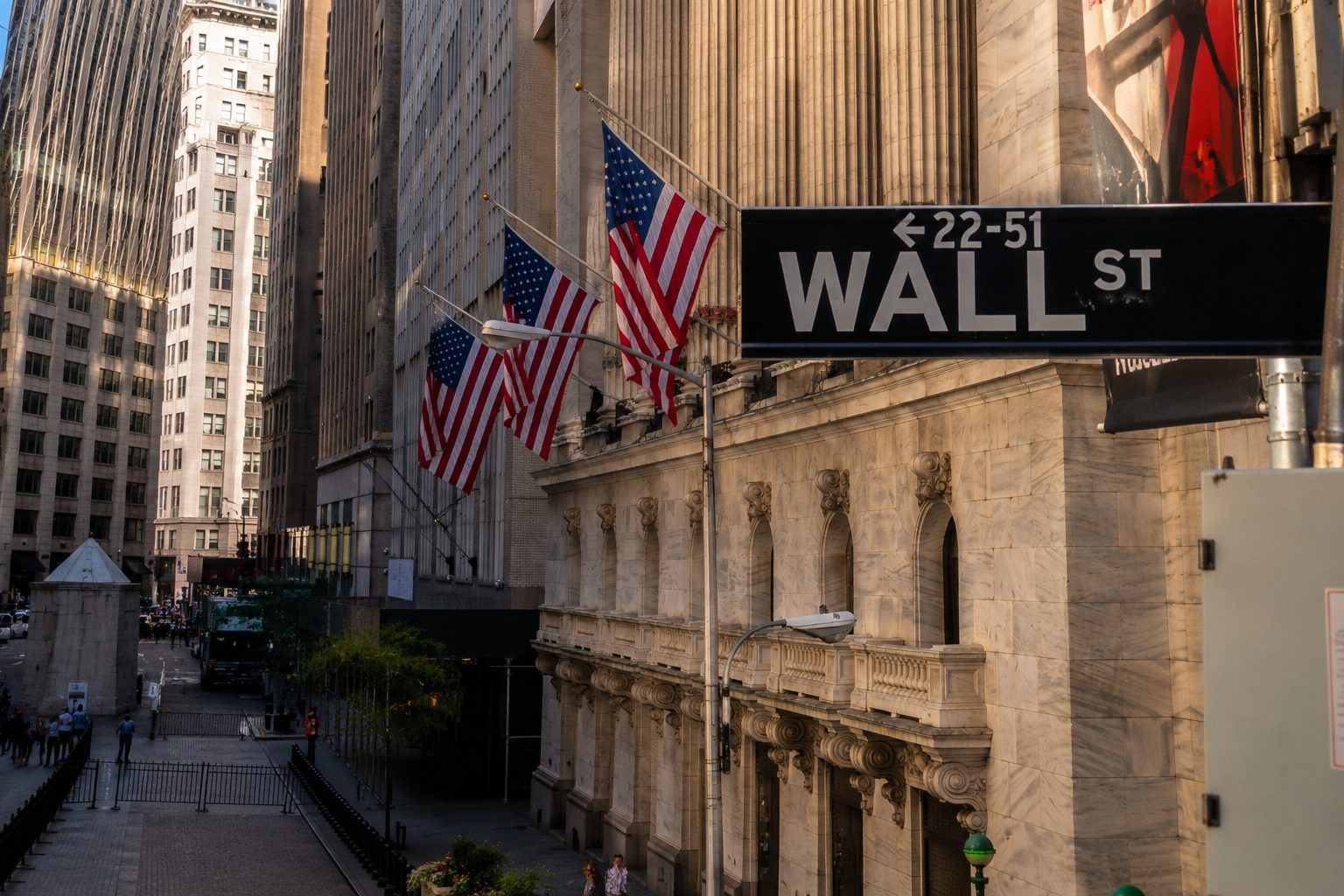
U.S. stock futures tumbled ahead of Friday’s opening bell. Nasdaq 100 and S&P 500 contracts both slid over 1%, as rising Treasury yields and stronger oil prices threatened Wall Street’s run of records. By 5:38 a.m. ET, Dow E-minis were off 330 points, or 0.66%. S&P 500 E-minis shed 1.07%, with Nasdaq 100 E-minis down 1.56%. In premarket moves, Applied Materials fell, airlines were weaker, but Dexcom traded higher.
The selloff is biting right where it hurts U.S. stocks most—AI-fueled gains and the belief that rate hikes were finished. The 10-year Treasury yield pushed up to around 4.54%. Brent crude sat close to $109 a barrel, squeezing growth stocks that lean hard on future profits. “The rally may exhausts itself a little bit,” said Tim Graf at State Street Markets. Reuters
Stocks retreated following fresh highs for the S&P 500 and Nasdaq Composite, with the Dow crossing 50,000 for the first time—momentum largely coming off a 4% surge in Nvidia and Cisco’s 13% rally post-earnings. April retail sales landed right where analysts had forecast, Reuters said, which ended up dashing immediate hopes for a Fed rate cut as spending remained solid despite climbing prices.
Traders have been quick to adjust their bets. On Polymarket’s Fed contract, the odds of a rate hike in 2026 climbed to 37%. Over in a different market, the probability of no rate cuts this year was pegged at 72%. Worth noting: a basis point equals one-hundredth of a percentage point, which is the usual way moves are measured. Polymarket
Oil was still the big macro shock. Brent added 3.3% to $109.19, while U.S. West Texas Intermediate picked up 3.7% to reach $104.89, following comments from President Donald Trump that his patience with Iran was nearly gone. Vandana Hari, who runs Vanda Insights, highlighted “the tail risk of renewed military escalation.” Kpler reported just 10 ships transited the Strait of Hormuz over the last 24 hours—numbers that remain well below typical flows. Reuters
No real breakthrough came from the Beijing summit. Trump stated that he and Chinese President Xi Jinping found common ground on Iran’s nuclear ambitions—both agreed Tehran shouldn’t get the bomb—and they want shipping through the Strait of Hormuz back to normal. Still, with no official accords published, and little evidence Beijing plans to lean on Tehran to resolve the conflict, uncertainty lingers, according to Reuters.
The Fed didn’t get much incentive to shift dovish from this round of data. U.S. retail sales rose 0.5% in April, matching the 0.5% bump in core retail sales. Import prices? Up 1.9%—the steepest move since March 2022. Sal Guatieri, senior economist at BMO Capital Markets, flagged that while the upper tier of consumers is still spending, lower-income households remain pinched by rising fuel, food, and transport costs.
Bonds have muscled their way into the center of stock-market worries. With Kevin Warsh stepping in as Fed Chair, investors are eyeing yields climbing on the back of oil-driven inflation. Byron Anderson from Laffer Tengler Investments summed it up: “Whatever oil does is where yields are going.” When yields climb, borrowing gets pricier and bonds start to look better next to equities. Reuters
Applied Materials slipped, despite putting out bullish guidance. The company is looking for third-quarter revenue around $8.95 billion, give or take $500 million—well over the $8.09 billion analysts had in mind. It also sees adjusted earnings at $3.36 a share, topping estimates. CEO Gary Dickerson cited “exceptionally strong foundation” thanks to surging demand, with TSMC and Samsung pouring money into AI production capacity. Reuters
Dexcom shares climbed roughly 6% in after-hours trading Thursday, following news the medical-device maker will bring on two independent directors and make changes to a board committee as part of a deal with Elliott Investment Management. CEO Jake Leach pointed to a need for additional medtech and operations expertise on the board.
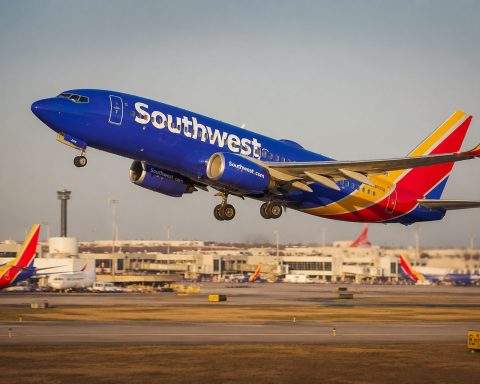
Airlines felt the squeeze too—Delta, United, and Southwest slid in premarket as fuel cost concerns followed crude’s climb. It’s not a demand story right now. Margins are the issue: unless carriers push fares higher, a prolonged oil rally erodes profits fast.
The bearish open faces a clear challenge: Should shipping via Hormuz clear up, oil prices could retreat and Treasury yields might slip, possibly inviting dip-buyers back into tech after a string of upbeat earnings. On the other hand, if crude sticks around these levels and the 10-year yield stretches higher, what started as a stumble in futures late this week could morph into a wider shakeout once the cash market opens at 9:30 a.m.