NEW YORK, May 15, 2026, 07:43 EDT
- Nasdaq 100 futures slipped 1.25% as of 07:18 a.m. ET. Nvidia dropped 1.8% premarket, giving back some ground after yesterday’s surge.
- Microsoft shares caught a fresh spotlight as Bill Ackman’s Pershing Square revealed a new investment in the company, pointing to the appeal of its Azure cloud platform and Copilot AI tool.
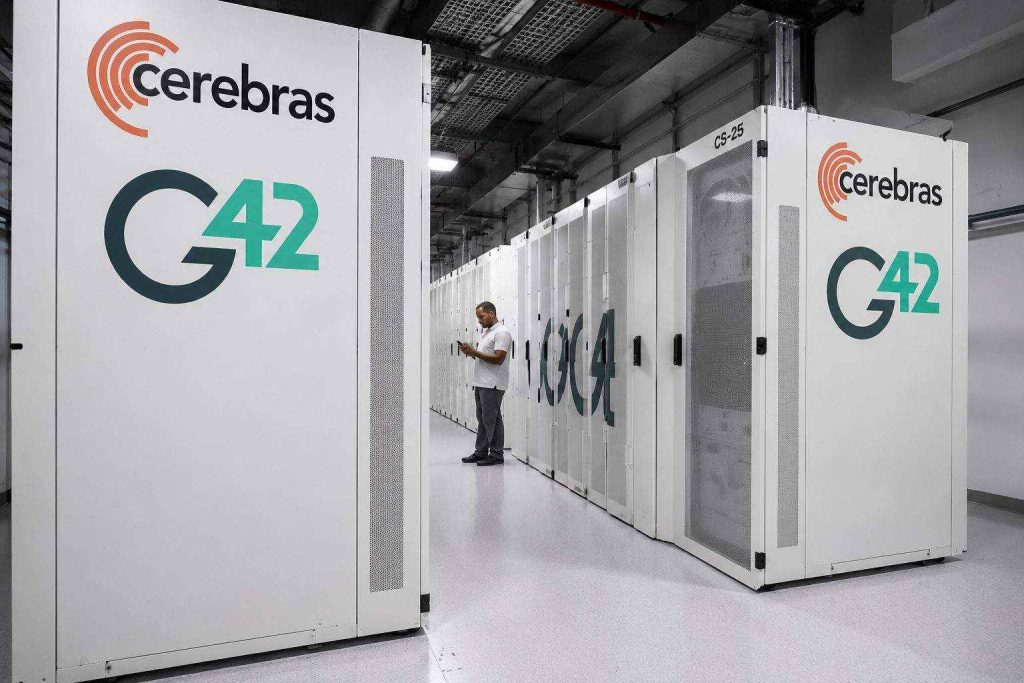
- Cerebras, a new entrant in the public AI chip space, surged 89% from its IPO price on Thursday, making it one of the purest plays for gauging AI demand right now.
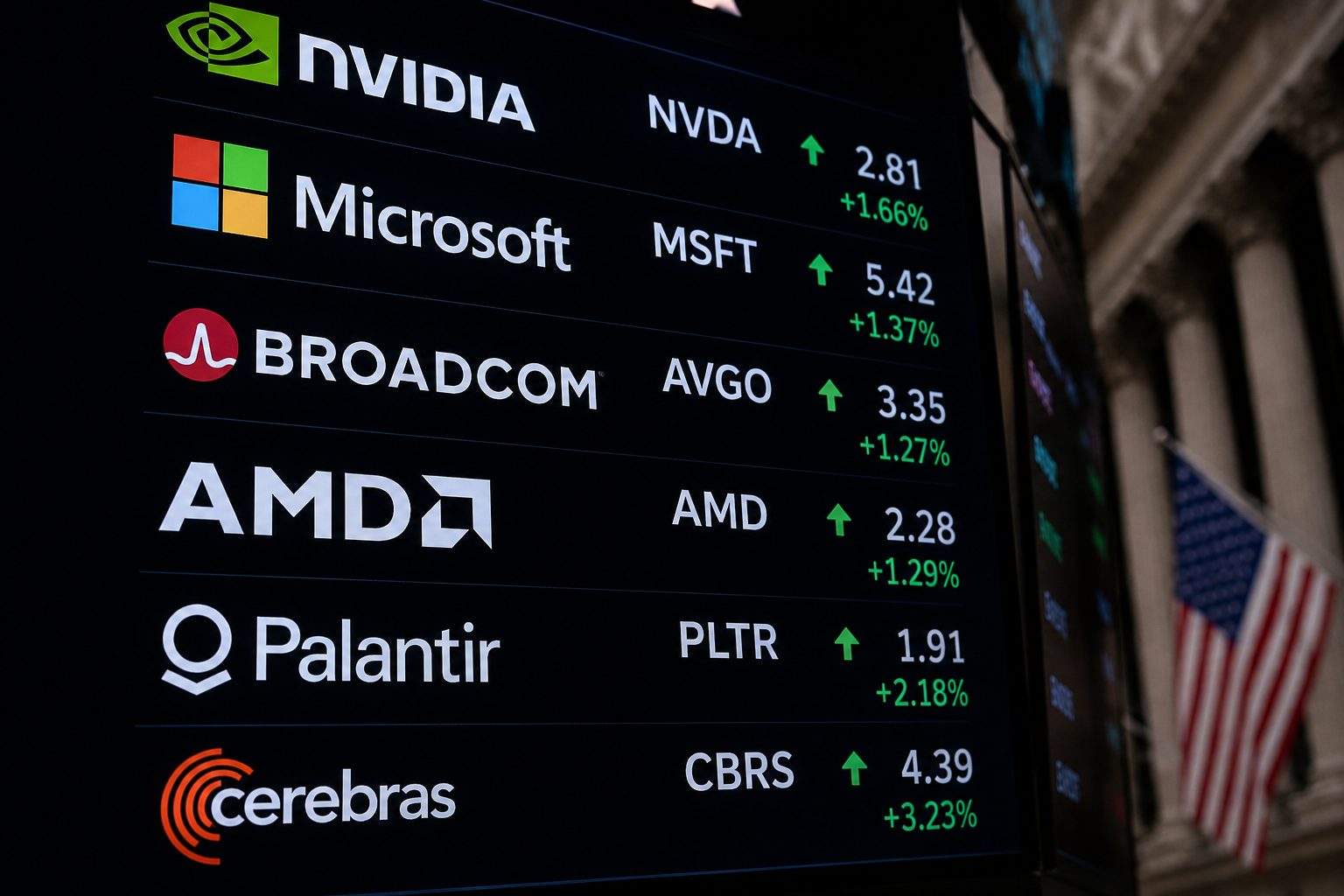
Friday’s open looked shaky for U.S. artificial intelligence shares, with higher Treasury yields and climbing oil prices threatening to derail the AI-driven surge that just sent Wall Street to fresh records. Nvidia, Microsoft, Broadcom, AMD, Palantir, and Cerebras—just public—are all in focus, but the market mood is notably harsher than on Thursday.
Why now? Once more, AI is pulling much of the market’s weight. The S&P 500 and Nasdaq both finished at record highs on Thursday. Nvidia climbed 4.4% after U.S. officials approved H200 chip sales to certain Chinese companies. Over in IPO action, Cerebras soared 68.2% during its debut session.
Nvidia still sets the tone for the trade. Results drop Wednesday, and the market wants to see if AI chip demand holds up for a stock that’s already surged over 40% since the March bottom. “Nvidia’s results will serve as a ‘signal’ for the rest of the industry,” Jensen Investment Management’s Allen Bond said. Reuters
The China story took a twist. On Thursday, Reuters said the U.S. gave the green light for H200 sales to Chinese companies. But Jamieson Greer, U.S. Trade Representative, told Bloomberg TV that chip export controls barely registered in the China talks, according to Reuters. Nvidia felt renewed pressure in premarket trading.
Microsoft’s got a new catalyst in play. Bill Ackman said Friday that Pershing Square would reveal a stake in the tech giant, describing the valuation as “highly compelling.” He highlighted Azure, Microsoft 365, and the $30-a-month Copilot AI tool. Ackman also threw his support behind Microsoft’s $190 billion spending plan for 2026—even as investors worry about cloud slowdown, rising competition from Google and Amazon, and a more distant relationship with OpenAI. Reuters
Broadcom and AMD still stand out as the key chip names to track, despite no new developments arriving this Friday. Broadcom has informed investors it could see AI chip revenue climb past $100 billion next year, driven by tailored processors for major tech clients. AMD, meanwhile, surprised Wall Street with a stronger-than-expected data-center chip outlook, keeping it firmly in Nvidia’s shadow as the leading public rival.
Palantir stands as the software alternative. It’s not as dependent on GPUs—the chips behind AI model training and operation—but still commands plenty of attention in the AI space. The company just lifted its revenue outlook for 2026 and logged 85% revenue growth for the first quarter. CEO Alex Karp described the U.S. business as “erupting” in a note to shareholders. Reuters
Cerebras landed on Nasdaq under the ticker CBRS this May 14, pricing its 30 million-share offering at $185 each. The company expects the deal to wrap up Friday. According to Reuters, the debut put the AI chip maker’s fully diluted valuation at $106.75 billion.
It’s the rates causing anxiety. When the 10-year Treasury yield climbs, growth stocks usually feel it—future earnings start looking less valuable. Brent crude hanging around $109 a barrel just turns up the inflation heat. Ipek Ozkardeskaya, senior analyst at Swissquote Bank, flagged rising energy prices and increased borrowing costs as a real “red flag” for tech names. Investing.com
Prediction markets are lining up on this. Kalshi’s contract tracking 2026 Fed rate cuts placed the odds of no cuts at about 68%. Over at Polymarket, zero cuts were priced at 67%. A basis point equals one-hundredth of a percentage point, and with fewer cuts, it’s tougher to justify lofty AI valuations.
Crowding is surfacing, too. The Philadelphia semiconductor index surged 64% from March 30. According to Michael O’Rourke of JonesTrading, chips and memory stocks made up 70% of the S&P 500’s $5.1 trillion increase in market cap this year through Monday. Steve Edwards at Morgan Stanley Wealth Management flagged the risk that overbought signals can quickly “whipsaw.” Reuters
On Friday, Nvidia sits at the crossroads of earnings momentum and China scrutiny. Microsoft is in focus as a gauge for enterprise AI appetite and capital outlays. Broadcom and AMD get grouped as infrastructure bellwethers. Palantir stands as the marker for software valuations, while Cerebras marks the IPO pulse. It all boils down to this: can AI demand at the company level outpace a market preoccupied with rates, oil, and heavy concentration worries?