NEW YORK, May 15, 2026, 17:02 EDT
- Tonix released updated Phase 1 modeling for TNX-4800, saying two doses kept mean serum levels above its proposed threshold for six months. TNX-4800 is under study as a prevention antibody for Lyme disease.
- No Lyme disease vaccine has reached the U.S. market yet, as Pfizer and Valneva continue pushing their candidate closer to regulatory review.
- Tonix traded at $15.74 late Friday, up $1.65. Volume was higher than usual for the stock.
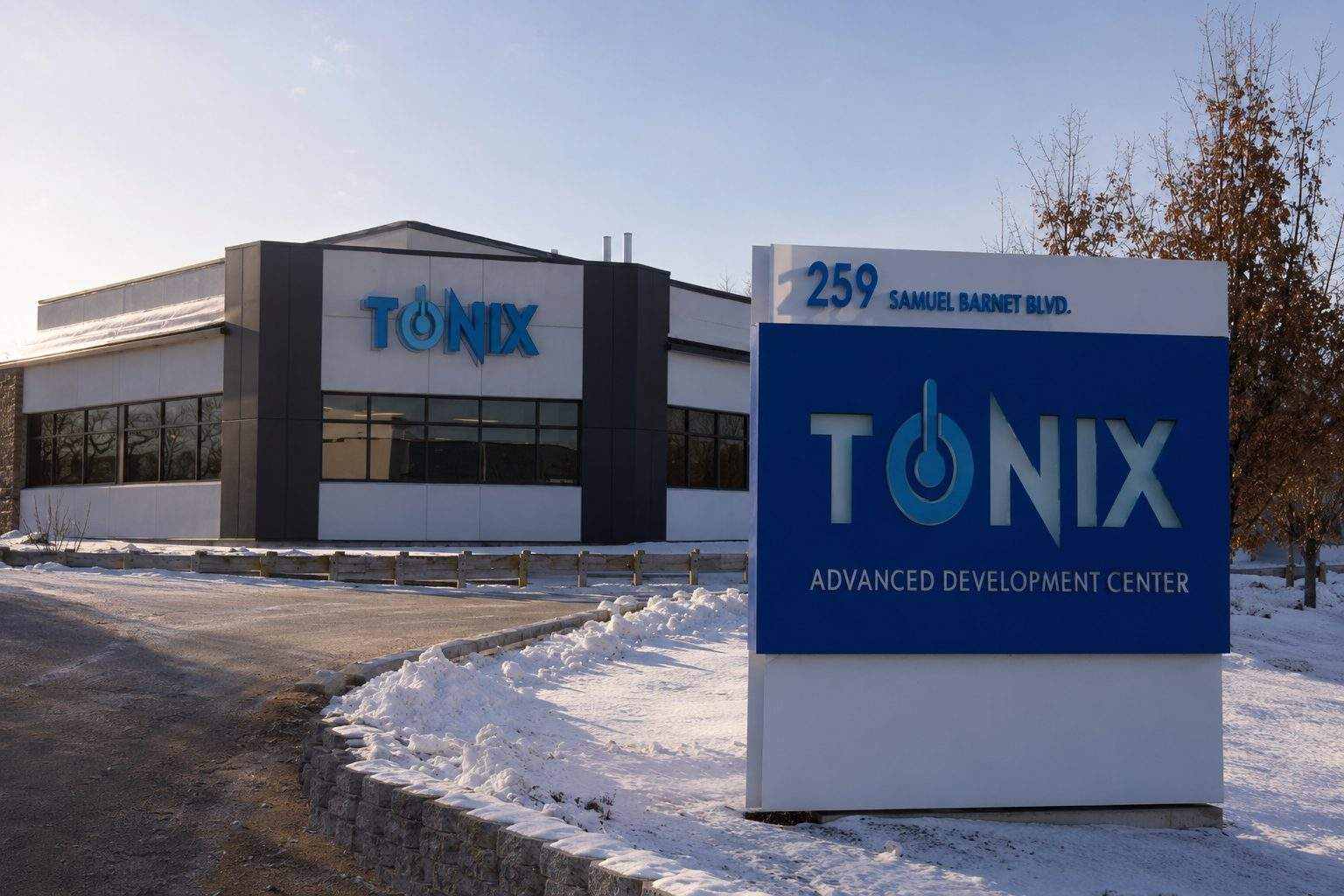
Tonix Pharmaceuticals Holding Corp. on Friday shared new data for its experimental Lyme disease antibody TNX-4800. The company said computer modeling from its Phase 1 study supports using two doses ahead of a planned field study in 2027.
Tonix, based in Berkeley Heights, New Jersey, reported results at the Global Lyme Alliance. The company said these results tie to a planned adaptive Phase 2 field trial, which could start in the first half of 2027 if Tonix and the U.S. Food and Drug Administration agree. In an adaptive trial, rules let the design change as new data come in.
No Lyme disease vaccine is sold in the U.S. now, the CDC says. The agency figures about 476,000 people a year are diagnosed and treated. That means a big potential market for prevention, but rivals are already in the mix.
Tonix is telling investors not to call TNX-4800 a vaccine. The drug is a monoclonal antibody, made in the lab and designed for quick protection rather than waiting on the body’s immune response after a shot. Tonix says patients could get passive immunity from TNX-4800 in as little as two days.
Tonix said in a filing Friday that its two-dose injection, 350 mg each on Day 1 and Day 56, held mean serum levels over its proposed minimum effective mark of 10 micrograms per milliliter for 196 days. That minimum is the company’s suggested threshold for protection.
The company said its simulations support keeping mean serum levels above 10 micrograms per milliliter for six months after the first dose. That’s the planned primary endpoint for its upcoming field study.
Pfizer and Valneva reported in March that their experimental Lyme disease vaccine, PF-07307405, reached 73.2% efficacy 28 days after a fourth dose in Phase 3 trials. The first pre-specified interim analysis missed a main goal though, with the lower end of the confidence interval at 15.8%, below the study mark of 20%. Pfizer still plans to seek approval.
RBC Capital Markets analyst Trung Huynh told Reuters regulators may view the Pfizer-Valneva data “sympathetically”, pointing to the lack of any approved Lyme vaccine. Cantor’s Carter Gould was more cautious, saying the results were “directionally supportive” but did not fully meet what some investors had hoped for. Reuters
Tonix is still moving ahead with its Lyme disease work, but for now the main push is on TONMYA, which got approved for fibromyalgia last year. The company said this week 2,145 providers prescribed TONMYA in its first full quarter on the market. In that stretch, 3,588 patients started the drug and about 5,400 prescriptions were filled.
Tonix Pharmaceuticals Holding Corp. CEO Seth Lederman told investors in the quarterly update that “TONMYA is the first new fibromyalgia medicine in 15 years.” The drug saw higher prescriptions, more new prescribers, increased refills, and better patient access since its launch in November 2025, he said. Tonix signed its first managed-care agreement in May, adding coverage for about 35 million U.S. commercial lives. Tonix Pharmaceuticals Holding Corp.
Tonix is managing with a narrow cash position. Net product revenue for the first quarter was about $6.9 million, including around $3.7 million from TONMYA. Net loss ballooned to $40.2 million, compared to $16.8 million a year ago. Tonix had about $185.5 million in cash and cash equivalents at the end of March. The company said the cash, plus equity raised in Q2, should be enough for planned spending into early Q2 2027.
Investors are watching this risk. TNX-4800 still has no field trial data showing it prevents Lyme disease. The next planned study is waiting for FDA approval. Tonix filings detail uncertain timing on trials, regulatory checks, possible reimbursement problems, questions about selling the drug, and the need for more capital.
Tonix shares traded at $15.74 late Friday, up $1.65 on the session after touching $15.82. The move gives Tonix some breathing room, but the company still faces big tests: making headway with the FDA on TNX-4800, boosting TONMYA scripts, and watching how many payers keep coming in.