
New York, May 16, 2026, 07:34 (EDT)
Tesla shares fell 4.75% to close at $422.24 on Friday, with the stock pressured ahead of Monday as investors saw no obvious progress in China for its driver-assistance software after President Donald Trump met with Xi Jinping in Beijing. Tesla ended the week down about 1.4%, erasing earlier gains.
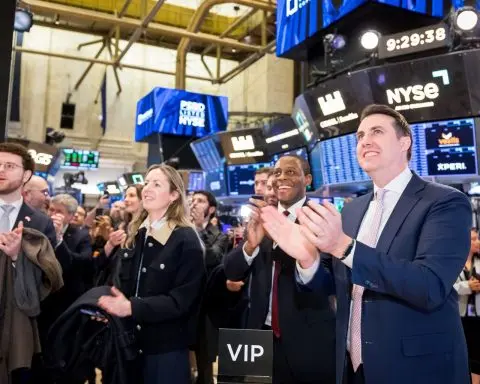
This is important at the moment because the cash market doesn’t reset on Saturday. Nasdaq’s regular session goes Monday to Friday, 9:30 a.m. to 4 p.m. Eastern. The next full closure is Memorial Day on May 25, which means the next standard trading day for Tesla is Monday.
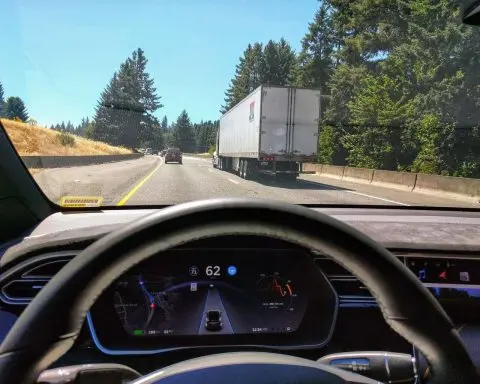
China and autonomy are the near-term trade, more than just car sales. Tesla’s Full Self-Driving, or FSD, is the company’s paid driver-assist add-on. Tesla says the supervised FSD version still needs the driver to stay alert and ready, and doesn’t make the car fully autonomous.
The market dropped Friday. The S&P 500 shed 1.2%, Dow was down 1.1%, and the Nasdaq Composite slid 1.5%. Investors pulled back on fresh inflation jitters and higher oil, just after new highs earlier this week.
Tesla lagged peers, but other automakers saw declines too. General Motors dropped 3.72%, Ford shed 7.46%, and U.S.-listed shares of NIO were down 2.40% in the same session, MarketWatch data showed.
China is still the pressure point. According to Reuters, Musk’s companies line up with some of Beijing’s top goals, yet Tesla also gets more scrutiny and faces fierce EV competition as local rivals close the gap.
Tesla’s Q1 results keep the stock trading at an AI premium. The company posted $22.4 billion in revenue for the quarter, with $16.2 billion coming from automotive. Free cash flow hit $1.4 billion. Free cash flow is what’s left after capital spending. Tesla said more FSD sales and subscriptions also boosted automotive ancillary revenue.
Costs are a sticking point. Reuters said last month that Tesla bumped up its 2026 capex plan to over $25 billion, as Musk spends on AI, robotics, and custom chips. Capex is cash used for big-ticket assets like plants, equipment, and tech infrastructure.
UBS analyst Joseph Spak called Tesla a leader in “physical AI” — the kind of AI found in real-world machines like cars and robots — but also said the stock “may continue to exhibit high volatility” and is trading more on sentiment and momentum than on fundamentals. Investing.com
Robotaxi rollout faces more questions. Musk said to investors he wanted robotaxis and driverless vehicles in “a dozen or so states” by year-end. But after he sounded more cautious, analysts told Reuters the rollout is looking slower than they thought. Reuters
But the weekend is a wildcard. If China gives a green light to FSD, or signals something solid, Friday’s selloff could reverse quickly. If there’s no news, Nasdaq futures could stay soft and investors may keep trimming a stock still trading on big hopes for software and robotics.
Tesla traders are looking for any word from the company or Chinese regulators before Monday’s open, plus updates on robotaxi usage and signs the tech selloff could pause. Near-term outlook is still rough, with Barron’s citing an average analyst target of around $400, which is under where shares finished Friday. UBS kept its Hold and $364 target, saying shares won’t recover on another promise—Tesla needs results from China or self-driving to convince the market.
Related articles: NASDAQ:TSLA