
New York, May 16, 2026, 11:33 (EDT)
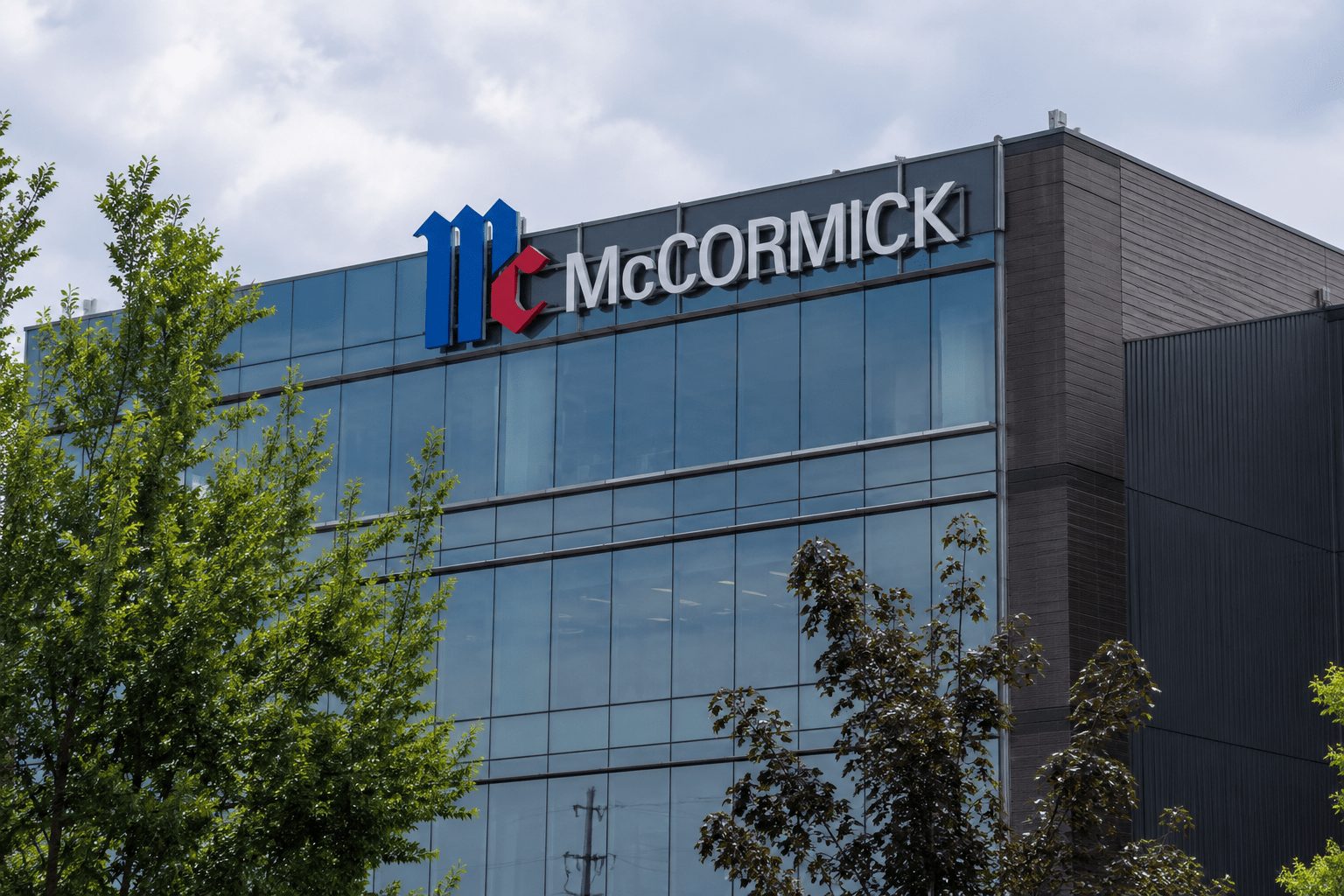
- McCormick & Company, Inc. McCormick ended Friday at $46.35, slipping 0.34%. Shares touched a weekly low of $44.82.
- The NYSE is closed for the weekend. Trading is set to start again Monday, May 18, after U.S. markets slipped on Friday.
- McCormick’s proposed tie-up with Unilever Foods is still the main overhang for the stock. The deal would make the spice maker much bigger but brings new questions about financing and how management will pull it off.
McCormick & Company shares finished down this week, settling at $46.35 on Friday, with traders still selling the stock after a volatile stretch over its planned Unilever Foods deal.
No trading on the New York Stock Exchange Saturday, with the next regular core session scheduled for Monday. On Friday, stocks were hit as the S&P 500 dropped 1.2% and the Dow slipped 1.1%. Higher oil prices pushed yields up and hurt risk appetite.
McCormick’s (MKC) trading week was choppy. Shares started Monday at $48.49, touched a weekly low of $44.82 by Wednesday, and jumped on Thursday, but the rally fizzled on Friday, LSEG data shows.
The drop has kept attention on the March agreement with Unilever. McCormick and Unilever plan to merge McCormick with Unilever’s Foods business, leaving out India and some other assets, which would form a company posting around $20 billion in fiscal 2025 revenue. Unilever and its shareholders would end up with 65% of the new company, while McCormick shareholders would get the other 35%.
Unilever is using a Reverse Morris Trust, or RMT, to spin off its foods division and merge it with another company. The deal structure is known for tax efficiency. Unilever will also get $15.7 billion in cash, but that figure could change at closing.
McCormick CEO Brendan Foley said the deal would “accelerate McCormick’s strategy” and stressed that integration would take “disciplined execution.” Unilever chief Fernando Fernández called the move part of building a €39 billion pureplay home and personal care business. McCormick & Company, Inc.
Analysts aren’t calling this a straightforward deal. RBC’s James Edward Jones raised concerns about what he called the “minimal control premium” offered to Unilever shareholders. Chris Beckett, consumer staples analyst at Quilter Cheviot, told Reuters the deal looked “transformational for McCormick” but said it’s just incremental for Unilever. Reuters
McCormick bulls got a boost from the company’s latest report. First-quarter net sales jumped 17%, driven by help from the McCormick de Mexico deal. Adjusted EPS climbed to 66 cents, up from 60 cents the previous year. The company kept its fiscal 2026 adjusted EPS forecast at $3.05 to $3.13.
The stock is moving on deal risk, not the latest earnings report. The deal is set to close by mid-2027, but it still needs a vote from McCormick shareholders and clearance from regulators. McCormick said the two firms together will have net leverage at 4.0 times or less when the deal closes. The company wants to get that back to 3.0 times in two years.
McCormick outpaced Kraft Heinz, Archer-Daniels-Midland, and Conagra on Thursday, according to MarketWatch data. But McCormick had lagged behind the same group on Wednesday, dropping 2.63%. That uneven pattern points to uncertainty tied to the stock, not just broader selling in packaged foods.
Risk for McCormick is clear. Higher financing costs, tougher scrutiny from regulators, or more pushback from investors over McCormick’s 35% holding after the deal could send the stock back toward this week’s low at $44.82. Commodity prices, policy uncertainty on trade and geopolitical issues are still part of the company’s 2026 outlook.
McCormick’s near-term outlook for Monday looks weak or range-bound, unless news on filings, analysts, or financing shows up before the open. Bulls want to see a push back above $47.16, the high from Thursday, to help stabilize things. If shares fall under $45.75, Friday’s low, then Wednesday’s $44.82 is back in focus. Trading Economics has a model pointing to $47.32 by quarter-end and $44.44 in a year, leaving not much room for a rerating unless deal momentum changes.