
New York, May 18, 2026, 06:15 EDT
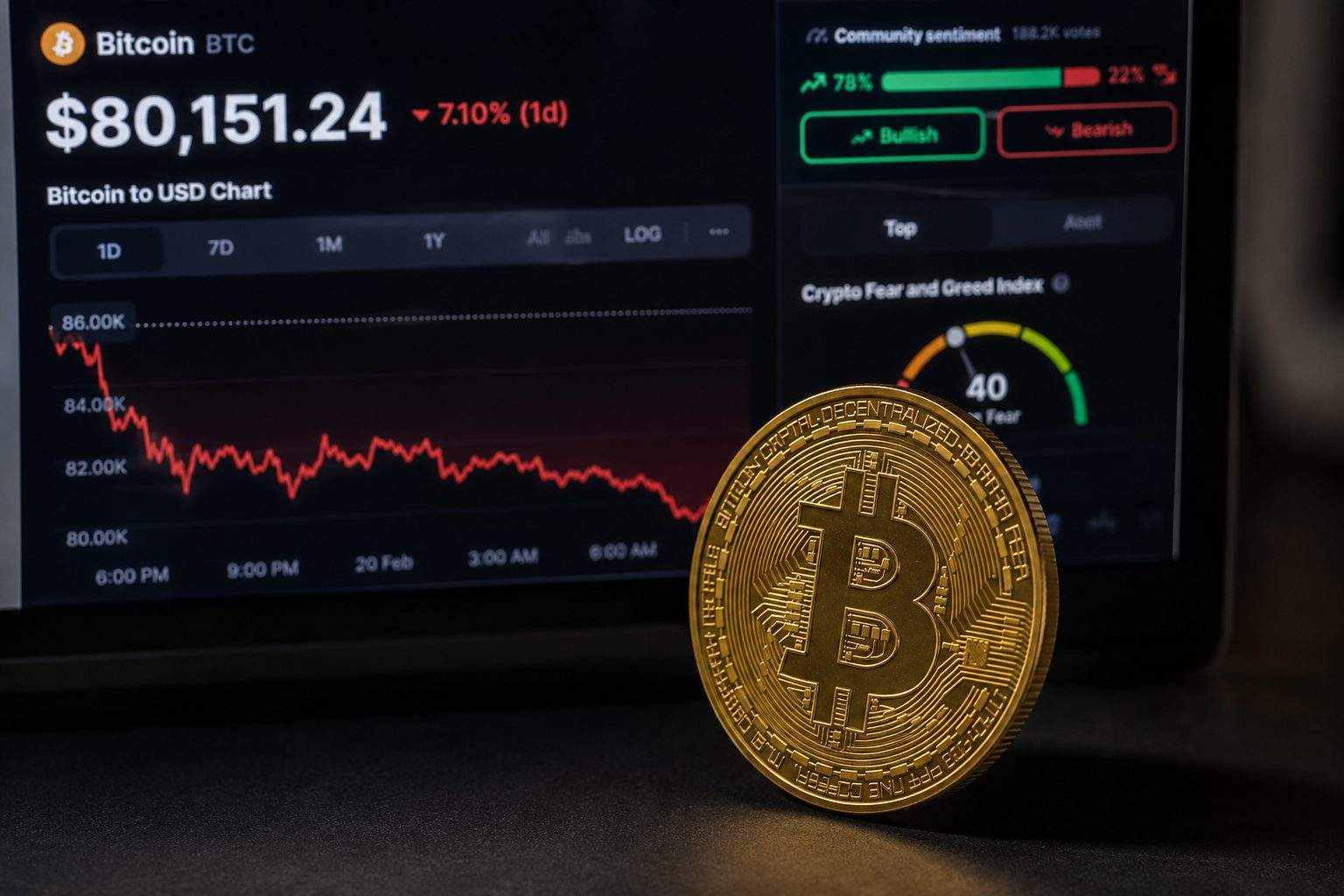
Bitcoin dropped under $77,000 Monday, moving closer to its lowest in two weeks. The slide came as oil prices ticked up and bond yields climbed, with a spate of forced selling also weighing on crypto demand. Bitcoin was trading at $76,753 at the dateline, off around 2.1% after hitting a session low of $76,655.
Bitcoin breaking below $80,000 is key for short-term traders. That level turned into a line to watch after last week’s failed rebound. Once again, bitcoin has acted less like an inflation hedge and more like a risk asset. Traders sold when they saw higher rates and tighter liquidity coming.
Fed meeting minutes land May 20, eyed for signals on growth and inflation. The central bank releases its April 28-29 policy minutes at 2 p.m. Traders will watch for any new signs on how the Fed is balancing inflation pressure with growth.
Crypto selling picked up as liquidations hit, with traders forced to close leveraged positions after margin fell short. According to The Economic Times, there were almost $661 million in liquidations in 24 hours. Ether dropped 3% to around $2,114, while Solana and XRP also lost ground. Riya Sehgal, research analyst at Delta Exchange, said there was a rejection near the “$82,000 resistance zone.” Akshat Siddhant at Mudrex blamed a “risk-off stance.” Giottus CEO Vikram Subburaj said bitcoin slipped back below the “psychological $80,000 level,” but he isn’t seeing a “full capitulation signal” yet. The Economic Times
Global markets fell as another Gulf drone attack sent oil and bond yields up. Reuters said Brent traded near $110.50 a barrel and U.S. crude at about $106.72. George Lagarias, chief economist at Forvis Mazars, told Reuters that markets were “panicking” over fears the Strait of Hormuz could stay shut. Reuters
Bond yields move up when prices fall. The U.S. 10-year Treasury yield touched 4.631% and the 30-year hit 5.159%, Reuters reported. Kenneth Broux at Societe Generale told Reuters the bond market’s “slow-motion crash” might only stop if oil prices drop, recession worries bring buyers in, or bonds get cheap enough to draw demand. Reuters
That’s important for bitcoin since higher yields let investors get a clear return from cash or Treasuries, unlike crypto. Peter Tuz, president at Chase Investment Counsel, told Reuters there’s “real fear” inflation is sticking. Jack Ablin at Cresset Capital said if Hormuz reopening lags, it could bring a “brand new inflation regime.” Reuters
Senate Banking Committee’s move on the Clarity Act last week didn’t change much for the market on Monday. The bill, which would set rules for how cryptocurrencies are regulated, advanced but drew pushback from Democrats over anti-money-laundering and worries about politicians making money from crypto, according to Reuters. Regulation is still seen as medium-term support, but it wasn’t enough this time.
Markets are watching to see if the drop keeps building. A bounce in oil or a less hawkish tone from the Fed minutes could help bitcoin recover $80,000. But if yields keep heading up, spot bitcoin ETFs keep bleeding, and leveraged longs are squeezed out, the $76,000 level could break.