LONDON, May 22, 2026, 10:41 (BST)
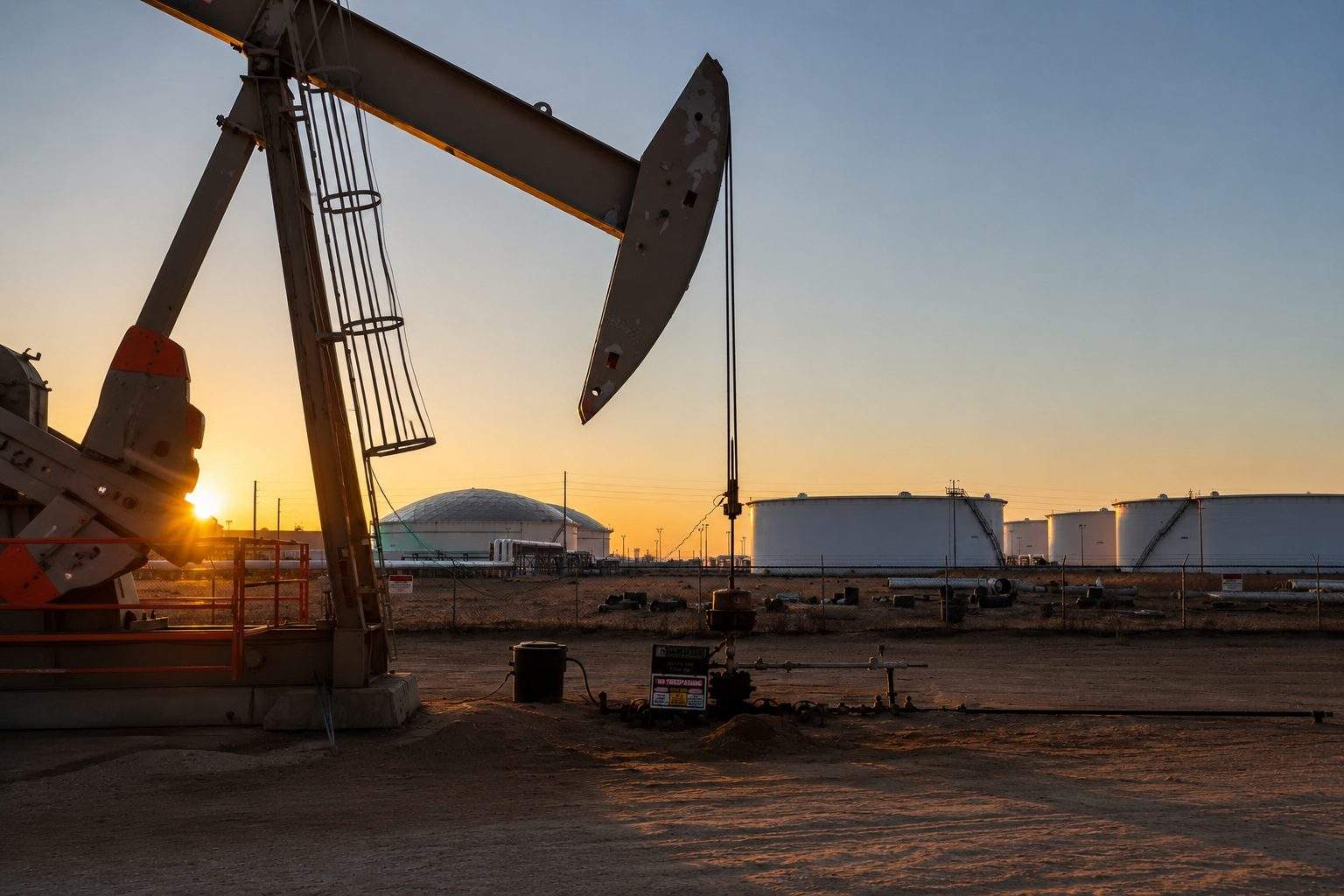
Oil rose Friday with traders doubting that new U.S.-Iran talks would bring a fast restart of supplies through the Strait of Hormuz. Both benchmarks stayed on pace for a weekly loss, but crude held onto support.
Brent futures were up $3.30, or 3.2%, at $105.88 a barrel by 0845 GMT. U.S. West Texas Intermediate (WTI) added $2.53, or 2.6%, to $98.88. Tamas Varga at PVM Oil Associates said headlines were pushing the market, and said hopes for a truce were keeping Brent from rising much past $110.
Hormuz still matters for the market. Reuters said about a fifth of global oil and LNG went through the strait before the war, but daily ship movements have dropped to between 125 and 140. IG’s Tony Sycamore said he was “not really that convinced” the parties were nearer to a deal. Reuters
Washington and Tehran remain divided over Hormuz. U.S. Secretary of State Marco Rubio said there’s been some movement in negotiations, but warned a diplomatic agreement would fall apart if Iran keeps pushing a tolling system, which would charge or regulate ships passing through.
Nuclear tensions are ratcheting up again. Iranian sources said Supreme Leader Ayatollah Mojtaba Khamenei told officials not to allow Iran’s highly enriched uranium to leave the country, tightening Tehran’s position on a key U.S. demand for the talks.
“Markets are still waiting for signs of movement on a possible US-Iran deal,” ING commodities strategists Warren Patterson and Ewa Manthey wrote Friday. “There’s some optimism out there, but uncertainty is the main story.” The Washington Post
Barclays is sticking with its 2026 Brent forecast at $100 a barrel. The bank pointed to inventory signals suggesting a 6 to 8 million barrels-per-day deficit, with U.S. inventories close to the lowest since 2020—even with a fast Hormuz reopening, stocks would remain tight.
IEA chief Fatih Birol said the oil market could move into a “red zone” in July or August with summer demand hitting low inventories and weak flows from the Middle East. Birol called reopening Hormuz fully and unconditionally the top priority, and said strategic reserves alone won’t solve the problem. Reuters
Executives in the industry remain cautious. ADNOC CEO Sultan Al Jaber told reporters full flows through Hormuz likely won’t come back until the first or second quarter of 2027, even if the conflict stopped now. He also said that whoever holds control over the waterway sets a risky precedent for global shipping.
OPEC+ could still lift its July production targets by around 188,000 barrels per day at a meeting of seven core members on June 7, according to Reuters sources. The group—OPEC plus allies like Russia—faces complications. Producers with spare capacity such as Saudi Arabia, Iraq, and Kuwait are directly hit by the Hormuz disruption. The UAE’s departure also chips away at OPEC+’s ability to influence the market.
Brent settled down more than 5.6%, ING’s Patterson said Thursday, as traders saw better chances for a U.S.-Iran deal. He added that prices could reach the $90s in the second half if Hormuz flows return to roughly 4 million barrels per day by the end of May. Still, most shipowners may hold back until fighting ends.
Right now, traders are looking at tanker traffic more than central bank speeches. If more ships can get through Hormuz, the war premium could fade fast. But with no safe passage and no agreement, crude prices are still stuck on what happens in the strait.