Baltimore, May 22, 2026, 06:02 EDT
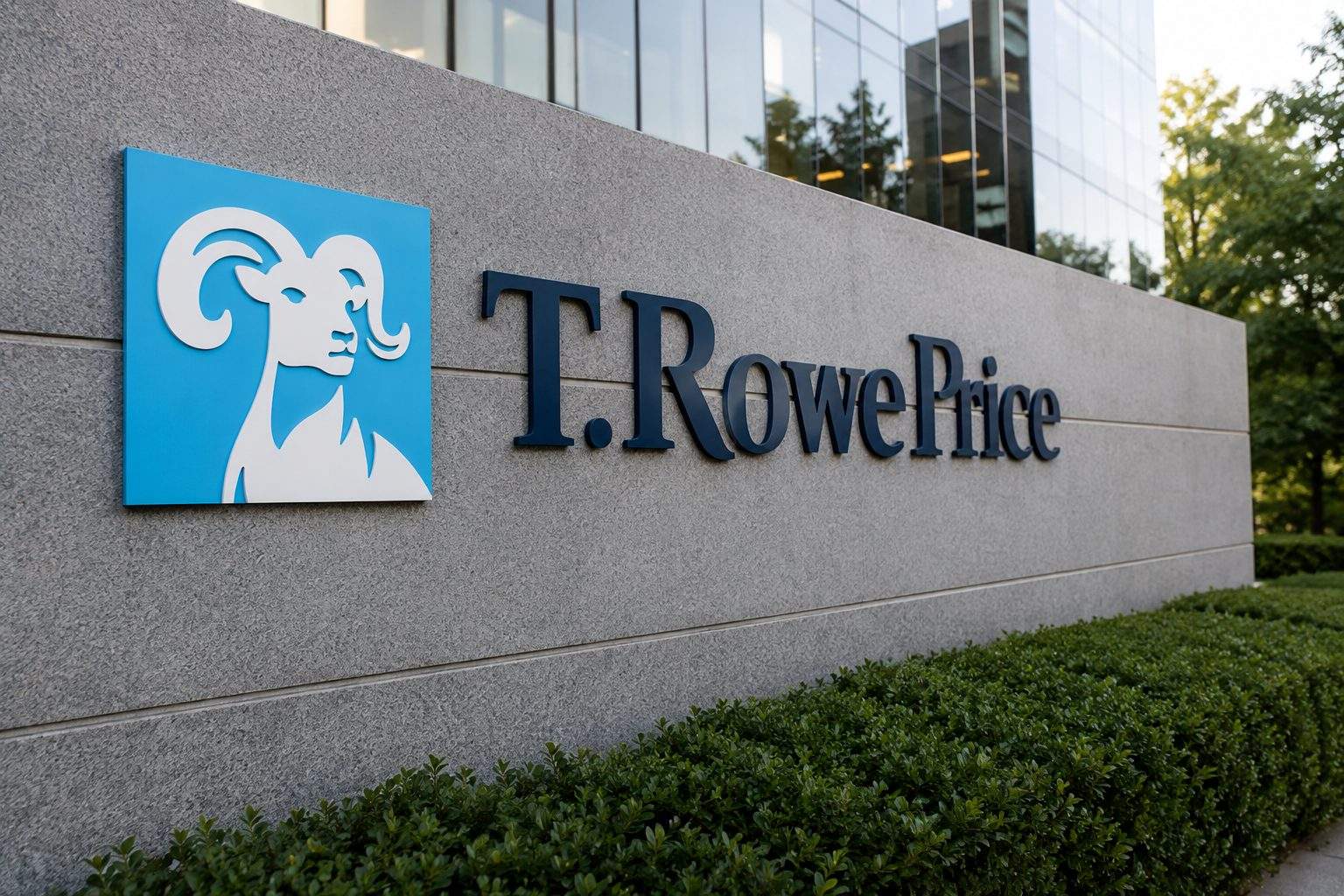
PNC Financial Services Group trimmed its stake in T. Rowe Price Group by 4.3% during the fourth quarter, selling 22,521 shares, according to a 13F filing. That left PNC with 501,279 shares valued around $51.3 million. The asset manager is shifting back toward U.S. equities while becoming more cautious on inflation-sensitive markets. The move was reported by MarketBeat.
T. Rowe moved to underweight Australian stocks, cutting back after having been overweight. The shift comes as the firm warned that fuel supply risks could push inflation higher and weigh on Australia’s growth. T. Rowe also picked up a small overweight in U.S. equities.
T. Rowe Price Group PR Newswire said assets under management climbed to $1.825 trillion in April, up from $1.710 trillion at the end of March. But the firm also reported $10.6 billion in net outflows for the month, mostly because of a handful of big redemptions. For shareholders, the bigger issue isn’t just one investor reducing a stake. Asset managers take fees on the client money they run, so swings in market levels, client cash moving in or out, and returns all hit their revenue fast.
PNC’s sale wasn’t the only disclosure this week. ProShare Advisors trimmed its T. Rowe stake in the fourth quarter by 0.8%, selling 13,295 shares, MarketBeat said May 19. The firm finished with 1,599,845 T. Rowe shares, valued around $163.8 million. MarketBeat said institutional holders owned 73.39% of T. Rowe’s stock.
13F filings matter to the market, but they look back. The U.S. Securities and Exchange Commission requires investment managers to submit Form 13F within 45 days after the close of a calendar quarter. The form lists holdings as of the end of that quarter, not current positions.
T. Rowe’s Q1 numbers gave some relief. The company reported earnings per share of $2.52, topping the $2.37 consensus estimate from MarketBeat. Revenue came in at $1.86 billion, a touch above expectations. T. Rowe also put out a $1.30 quarterly dividend, matching a 5.1% annualized yield at the share price referenced in the report.
Brent holds above $105 with Strait of Hormuz still closed, Barclays sticks to $100 call for 2026
Brent crude traded near $105 a barrel Friday as the Strait of Hormuz stayed shut. Barclays kept its 2026 average forecast at $100, saying risks are tilted higher. Reuters said about 20% of global energy flowed through the strait before the war.
T. Rowe’s focus on the U.S. makes sense, even after the run-up in valuations. U.S. stock futures traded higher Friday with Treasury yields slipping, and investors watching for movement in U.S.-Iran talks, Reuters said. “Geopolitical risk has become less immediately damaging for sentiment, even though it has not disappeared,” said Naeem Aslam, chief investment officer at Zaye Capital Markets. Reuters
Trade goes both ways here. Nomura has dropped its forecast for Fed rate cuts in 2026, Reuters said, pointing to sticky inflation, higher oil and a chip shortage. Morgan Stanley and Barclays have also said they don’t see Fed cuts this year. Higher-for-longer rates may keep the pressure on equity valuations, including the U.S. stocks T. Rowe likes now.
Competition is another factor. T. Rowe is still a big name in active management, especially in retirement, but industrywide fee pressure is steady as low-cost players push down costs. Vanguard, the no. 2 global asset manager, announced in February that it would trim fees on 53 index mutual funds and ETFs, a move it projects will save investors around $250 million each year. Morningstar analyst Zachary Evans said the new cuts “does send a signal” that Vanguard is sticking with its drive to lower costs. Reuters
T. Rowe Price is still getting a cautious tone from Wall Street. Jefferies lowered its price target to $91 and kept a hold rating. JPMorgan rates the stock underweight, with a $103 target. According to MarketBeat, there are now 11 hold and four sell ratings, for a consensus “Reduce” and an average target price of $99.54. MarketBeat
T. Rowe is facing a narrow path, not just pressure from one seller. Market gains have boosted assets, dividends are flowing, and its U.S. equity call is more defined. But outflows persist, analysts are still cautious, and inflation could either support the new direction or expose it as behind the curve.