New York, May 22, 2026, 19:06 (EDT)
- Micron shares ended down after the company began 1-alpha DRAM production at its fab in Manassas, Virginia.
- Memory-chip stocks have had a swingy week, as Samsung labor news and AI demand keep driving the action. This move adds to the churn.
- U.S. stock markets will close Monday for Memorial Day.
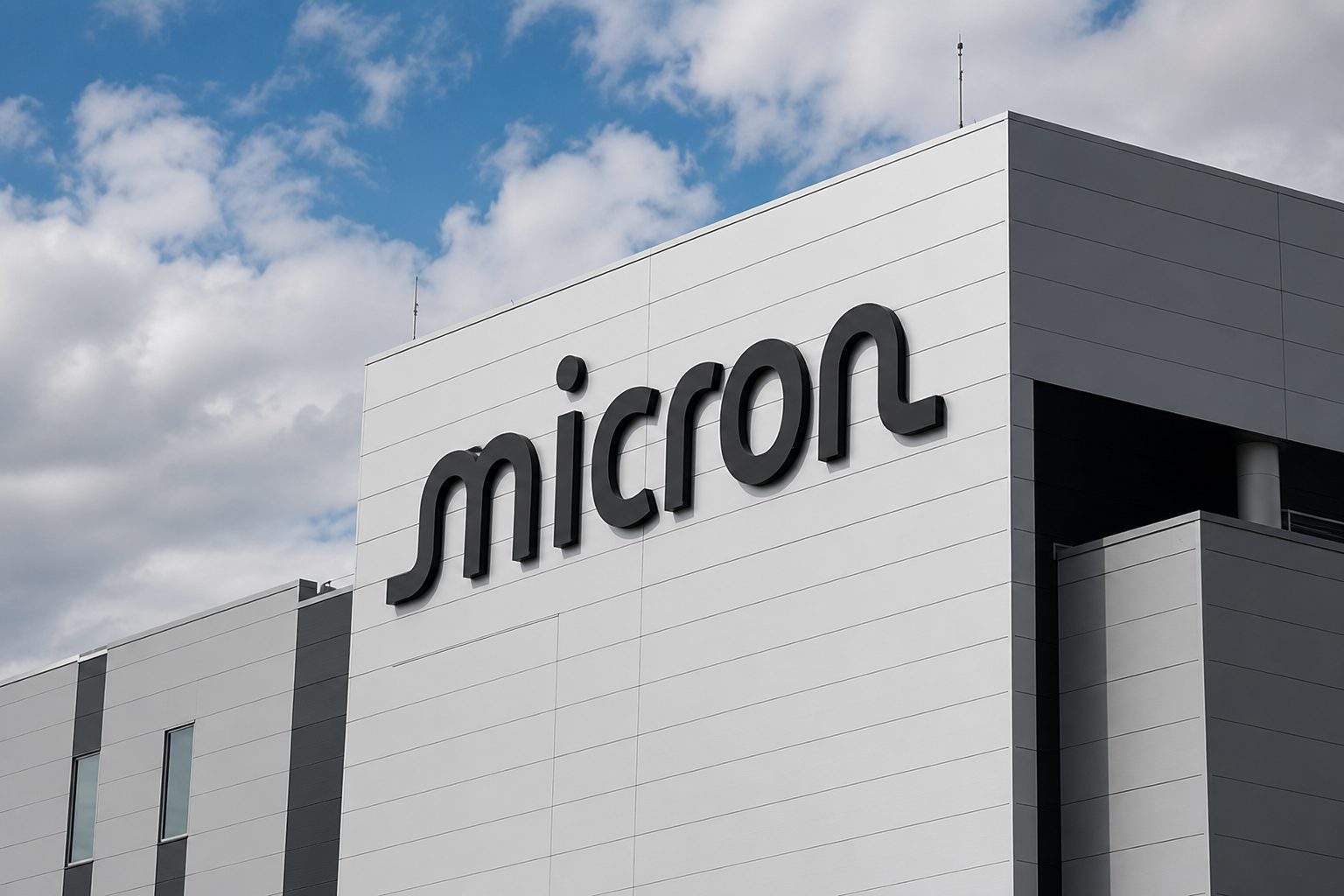
Micron Technology shares pulled back Friday, after a steep jump on Thursday. The chipmaker has started making advanced memory chips in Virginia, calling it a move to boost U.S. semiconductor supply.
Micron ended the day at $751.00, off 1.46%. Shares moved in a range of $747.20 to $780.20, according to market data. The stock gained 4.1% Thursday, settling at $762.10, buoyed by a rally in memory-chip stocks.
Micron is now seen as one of the clearer public plays on the current shortage of memory for AI. DRAM—dynamic random-access memory—is used as short-term memory in computers, servers and AI systems. The tighter supply gets, the more pricing power for companies like Micron, Samsung Electronics and SK Hynix.
Micron has begun making 1-alpha DRAM at its Manassas, Virginia, plant, saying it’s the most advanced memory tech built in the U.S. CEO Sanjay Mehrotra said the move is an “important step” for the company’s $200 billion U.S. plan. markets.businessinsider.com
Micron is expanding in Virginia to back long-lifecycle products like DDR4 and LP4 memory, which go into cars, aerospace, defense, networking, industrial and medical devices. The company said its 1-alpha node will lift DDR4 wafer output four times at Manassas. Volume production should be qualified by the end of calendar 2026.
The drop in the stock didn’t move the whole chip sector much. U.S. stocks finished higher on Friday. The Nasdaq Composite gained 0.19% to 26,343.97. Semiconductor stocks were mostly up and the Philadelphia Semiconductor Index moved higher, Reuters said.
Policy was in focus. U.S. Trade Representative Jamieson Greer told reporters at the Micron site there’s “not an immediate tariff coming” on chips. But he said tariffs could still be used if the timing helps U.S. production. Reuters
Memory stocks swung throughout the week. Barron’s said Seagate Technology CEO Dave Mosley pointed out that new plants wouldn’t be ready soon enough for demand, triggering selling earlier in the week. But Brad Gastwirth at Circular Technologies said in a note that the market’s move “appears disconnected” from actual supply-chain fundamentals. Barron’s
Samsung stayed on traders’ radar after management and union leaders put a planned strike on hold, Barron’s reported. The strike had threatened some global memory chip production. The two sides reached a bonus-pay agreement. Union members will vote on the deal from May 22 to May 27.
Memory names have run hard, but there’s a risk the rally could run out of steam. Reuters Breakingviews flagged that extra capacity from the top chipmakers and Chinese rivals might weaken supply discipline later. Demand still hangs on hefty AI spending by big tech firms, Reuters said.
Micron’s update hands investors a real production milestone instead of just more forecasts. The question now is if Micron can take advantage of tight supply and U.S. incentives to deliver earnings growth, or if the company runs into the typical memory-chip cycle—extra capacity showing up after prices have topped out.
U.S. stocks closed at regular time Friday, while Nasdaq has Monday, May 25, as a holiday for Memorial Day. Micron shares slid into the weekend, with the stock still sensitive to supply news that can move the sector sharply.