LONDON, May 31, 2026, 11:24 BST
- Gold bounced on Friday to close the week higher, though spot prices lost ground in May.
- Next up is U.S. jobs data, with investors watching to see if inflation keeps the Fed on track for a tighter policy.
- Physical demand in India stayed soft. In China, premiums narrowed as buyers held off, waiting for more news from the Middle East.
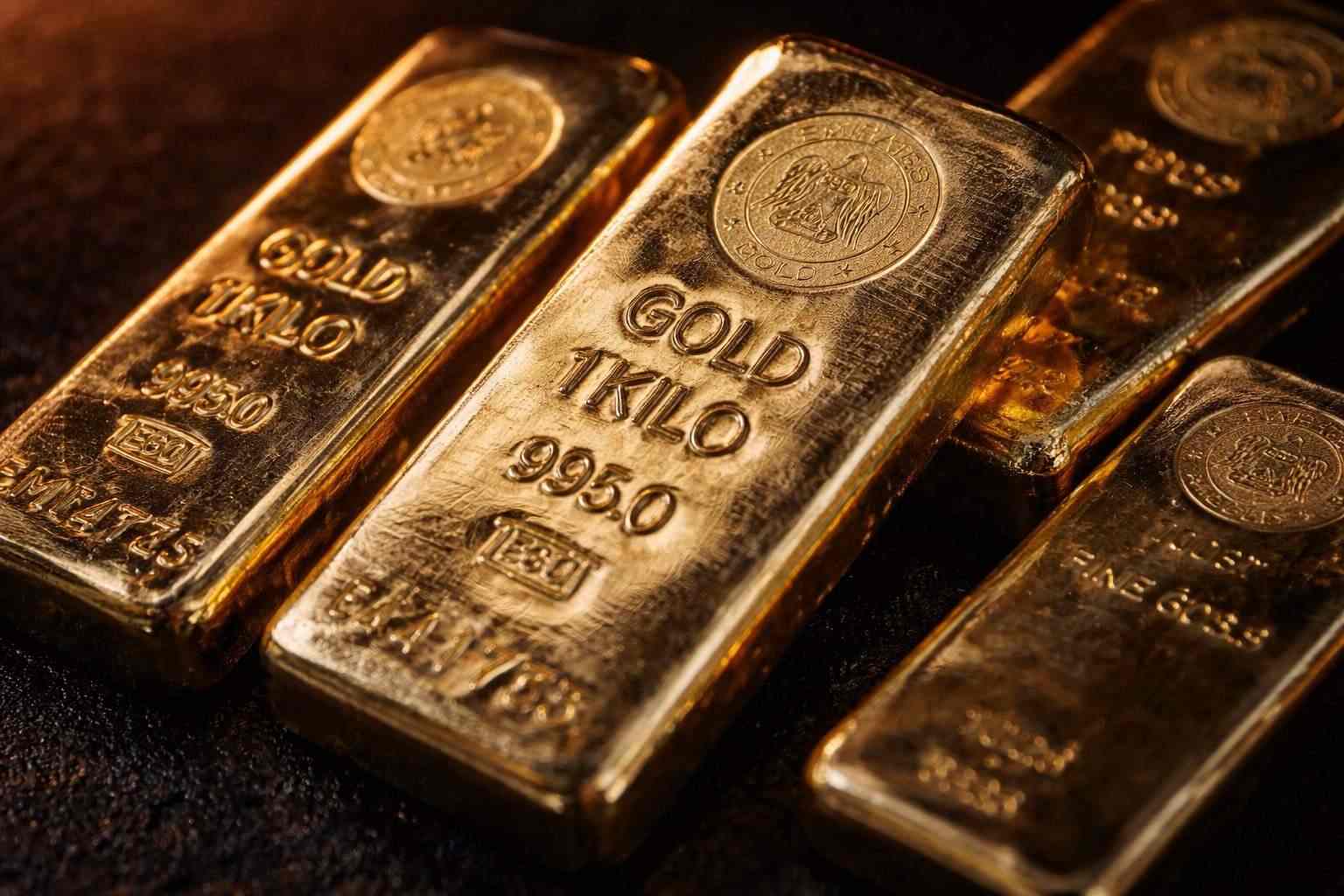
Gold picked up late in the week, helping the metal steady up going into June. Still, it wasn’t enough to wipe out a monthly drop, with bullion stuck between ceasefire hopes and concern that U.S. rates will stay elevated.
Spot markets didn’t open Sunday. By 5 p.m. New York on Friday, Kitco listed world spot gold at $4,538.30 bid and $4,540.30 ask, up 0.97% for the day. Prices had moved between $4,488.30 and $4,596.00 during the session.
Gold is getting its next lift from the rates trade rather than just safe-haven flows. Spot gold added 1.5% to $4,556.84 an ounce late Friday after Reuters said the U.S. and Iran could extend a ceasefire. August U.S. gold futures were up 1.3% to $4,593. But spot gold was still down more than 1% for May.
Inflation is weighing on markets. The U.S. personal consumption expenditures price index, which the Federal Reserve uses to track inflation, climbed 0.4% in April and 3.8% over the past year. The core index, which excludes food and energy, went up 3.3% year over year, according to the Commerce Department’s Bureau of Economic Analysis. High rates make holding non-yielding gold costlier.
Fed Vice Chair for Supervision Michelle Bowman on Friday said it’s too soon to tell what impact the Iran conflict will have on the economy. Bowman warned that if disruptions drag into the second half, inflation pressure could spread. Reuters reported the Fed is still expected to keep its benchmark rate between 3.50% and 3.75% after the June 16-17 meeting.
Gold found support from lower oil and a weaker dollar, Phillip Streible, chief market strategist at Blue Line Futures, told Reuters. But Streible said the “higher-for-longer” rates outlook is still a risk if shipping and energy issues drive oil higher and keep the Fed on alert. Reuters
May jobs data lands June 5, so that outlook faces a quick check. Economists in a Reuters poll look for an 85,000 job increase, with unemployment at 4.3%. Reuters also said that futures now price in better odds for a Fed rate hike in 2024 than a cut.
S&P Global says global PMI data out this week will give a sense of how energy prices and Middle East supply issues are affecting growth. The firm added that payrolls and wage numbers will get attention for signs of “second round” inflation, with price jumps making their way into wages and other costs. S&P Global
Analysts disagreed over whether the late-May bounce can keep going. Adam Button, head of currency strategy at Forexlive.com, told Kitco, “oil is pricing in an end to the war, and gold isn’t.” Lukman Otunuga, senior manager of market analysis at FXTM, said a soft jobs number could help gold more if it holds back expectations for higher U.S. rates. Kitco
Physical gold demand stayed soft. Indian dealers quoted discounts as wide as $106 an ounce to official prices, Reuters said, compared to $78 last week. The move came as the import tax jumped to 15% from 6%. In China, premiums slipped to $9-$12 from $10-$20. Peter Fung at Wing Fung Precious Metals said many buyers were on hold waiting for news out of the Middle East, but he expects more interest around $4,360 an ounce.
Peer metals traded mixed. Silver held at $75.62 an ounce Friday, set for a monthly rise. Platinum lost 0.3%, and palladium dropped 1.1%, leaving palladium off more than 11% for the month, Reuters reported.
Central banks keep supporting the market. The World Gold Council said net gold buying from central banks hit 244 tonnes in the first quarter, a 17% rise from the previous quarter. Poland and Uzbekistan made the biggest reported buys. Heavy official buying like this has been a floor for prices, even when jewellery demand falls at higher price levels.
The risk still looms large. If Friday’s payrolls come in high, or if energy inflation sticks around, Treasury yields could pop and trigger more selling in non-yield assets like gold. A clear ceasefire may also trim haven buying. But if the jobs report disappoints or the Middle East flares up again, it may be tough to keep short positions on bullion for long.