NEW YORK, June 1, 2026, 05:01 EDT
Verizon has started pitching big no-trade-in phone bundles, but new consumer tech reports point to customers waiting longer in its stores and to higher satisfaction at rival carriers. That brings up a basic issue for Verizon: can it boost sales without service getting worse?
Verizon is betting the timing helps. The company is looking for CEO Dan Schulman’s turnaround to last, after it posted its first positive first-quarter postpaid phone net additions since 2013. Postpaid phone net additions, often cited by the industry, count new monthly-bill phone customers minus any losses.
Verizon’s deals page is showing offers for an iPhone 17 bundled with an Apple Watch Series 11 and iPad, and bundles for Galaxy S26 and Pixel 10 Pro that come with watches and tablets. Some of these promotions say no trade-in is needed. But the same page notes customers have to add new lines or pick certain unlimited plans, and watch and tablet add-ons also need service plans.
Phone bundles from Samsung, Google and Apple are running at Verizon through June 17, Cord Cutters News said May 29. The deals include phones, tablets and smartwatches and are open to new and current customers. Verizon myPlan customers can get more savings, according to the report.
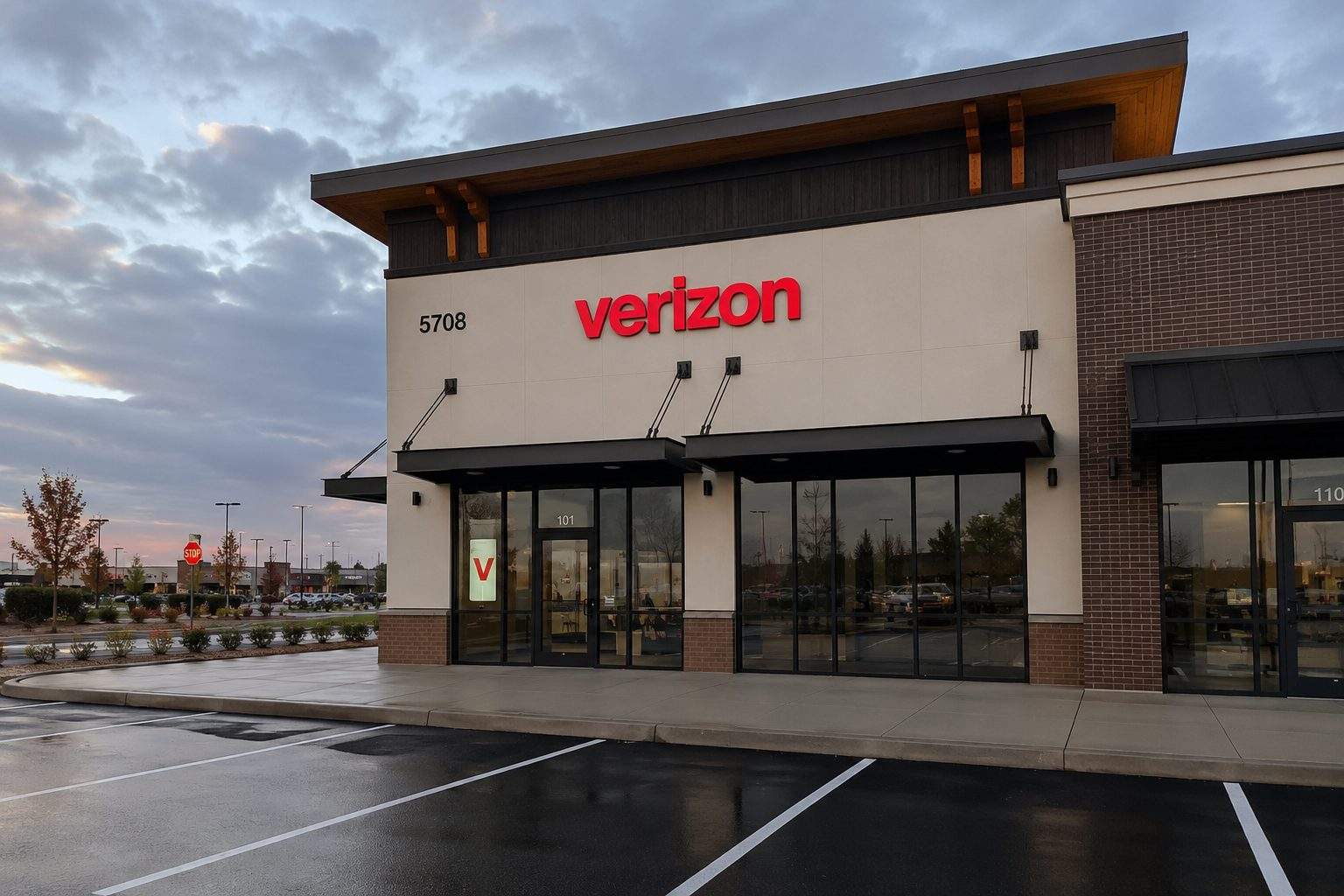
Verizon is pushing sales in its stores, but that’s drawing some unwanted attention. PhoneArena said Sunday that some Verizon customers have to wait as long as two hours in stores, pointing to an online post from someone claiming to be a Verizon rep. The post said employees must try to sell a long list of products to anyone who walks in, no matter their reason.
Loyalty remains a core issue in wireless. J.D. Power’s 2026 U.S. Wireless Carrier Satisfaction Study showed people who had to do little to resolve problems gave far better “ease of doing business” marks. “True loyalty comes from how easy it is for customers to work with a carrier once they’re in the system,” said Carl Lepper, a senior director at J.D. Power, in the report.
T-Mobile came in at the top of J.D. Power’s postpaid rankings for mobile network operators, with a score of 631 out of 1,000. That puts it above the segment average of 603. Verizon Wireless posted a score of 593 and AT&T had 587.
J.D. Power’s digital-experience study from March left Verizon behind T-Mobile and AT&T. T-Mobile scored 695 to lead internet service providers, with AT&T at 675 and Verizon just below at 669. Mint Mobile came out on top for wireless carriers. Kristen Coffin, digital solutions analyst at J.D. Power, said mobile apps topped websites for ease of use. She also said telecoms still need to improve account and billing features.
BGR picked up the study Sunday, pointing to J.D. Power’s digital-experience numbers from 12,082 customer evaluations. The survey covered app and website design, performance, available tools and info.
Verizon posted 55,000 total postpaid phone net adds in Q1, along with 115,000 core prepaid net adds. Broadband net adds came in at 341,000, counting both fixed wireless access and fiber broadband. Fixed wireless access uses a wireless network for home internet instead of cable or fiber.
Verizon is seeing gains from what Schulman called “reducing friction to increase loyalty” in its first quarter, and the company bumped up its 2026 adjusted EPS growth forecast to 5% to 6%. Verizon also tightened its guidance for total retail postpaid phone net additions, now looking for results toward the upper end of its 750,000 to 1 million range. Verizon
Richer bundles can help carriers sell new lines, but they also mean more work for stores and shoppers. Free-device deals usually tie to plan choices, new lines, and extra fees. If these terms bog down the process or catch buyers off guard, what started as a promo can end up just another complaint.
Verizon’s trial is all about boosting numbers, not making a splash. The company wants its bundles to drive account growth and to help it match up with T-Mobile, AT&T and cheaper rivals that are seen as easier to use and get higher satisfaction scores.