New York, June 1, 2026, 09:05 EDT
- American Airlines shares slipped a bit in premarket trading, while the broader airline ETF was up.
- FedEx Freight took American’s place in the Dow Jones Transportation Average ahead of Monday’s open.
- Jet-fuel costs still top the risk list as JetBlue bumped up its second-quarter fuel forecast.
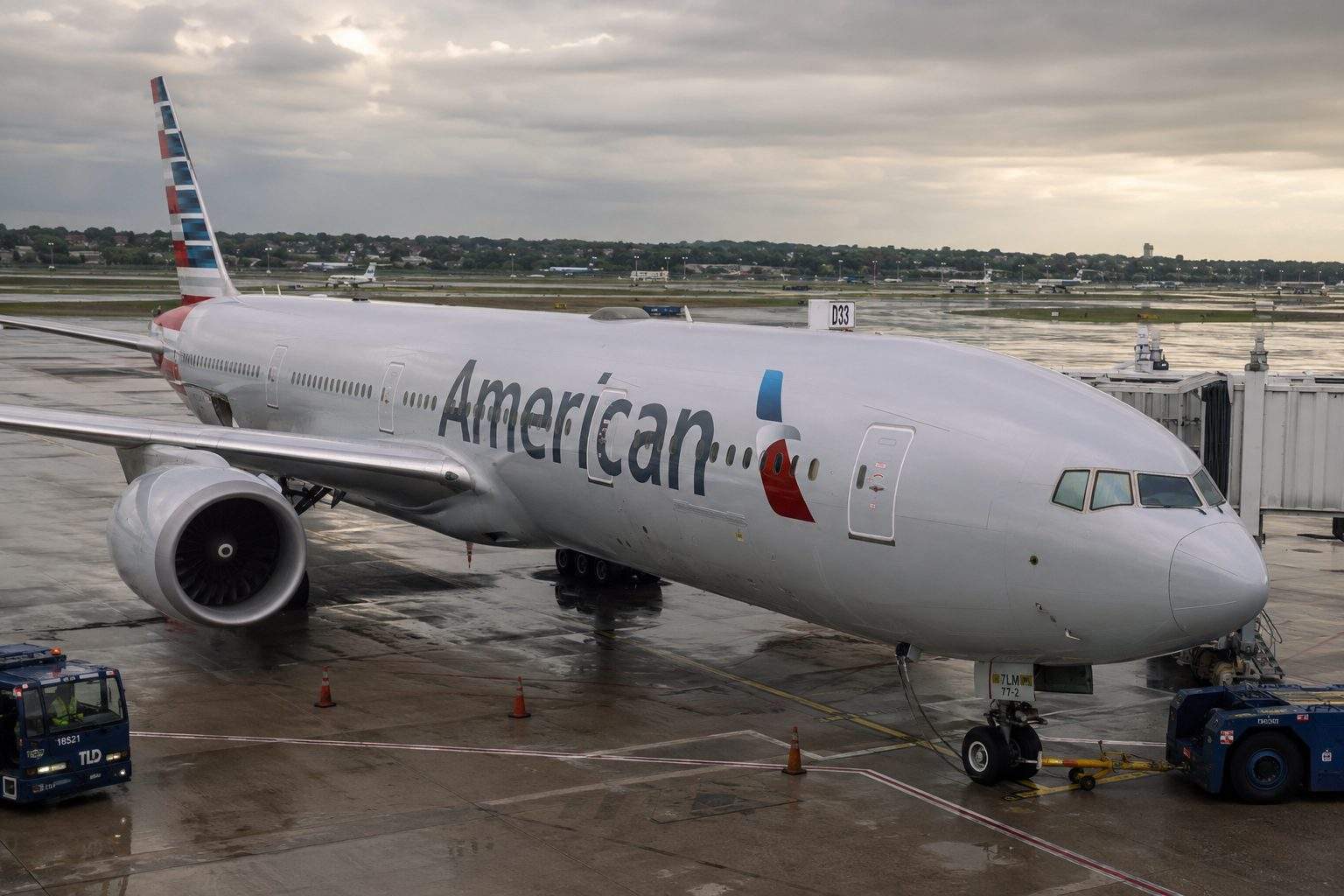
American Airlines Group Inc. slipped in U.S. premarket hours Monday, as the stock exited the Dow Jones Transportation Average. That shift hit just as investors faced another signal that fuel prices continue to drive action in airline shares.
American shares were at $14.64 ahead of the regular Nasdaq open, off 3 cents. Premarket action, which happens before the main 9:30 a.m. New York trading, tends to be thin and volatile. The U.S. Global Jets ETF added 0.6% premarket, so American’s drop didn’t match the broader sector’s direction.
S&P Dow Jones Indices said FedEx Freight Holding Co. is replacing American in the Dow Jones Transportation Average, or DJTA, after the index change went into effect before Monday’s open. DJTA is price-weighted, so shares with higher prices matter more. S&P Dow Jones said American’s weight in the DJTA was less than half a percentage point, mainly due to its low stock price.
FedEx Corp said Monday its FedEx Freight unit finished its spinoff and will start trading on the NYSE as “FDXF.” FedEx shares gained 2.2% premarket, Reuters reported. BMO Capital Markets’ Fadi Chamoun said the new company brings a margin opportunity but called it “highly dependent on execution.” Reuters
Fuel prices are still the main worry for American. On Monday, JetBlue Airways lifted its second-quarter fuel cost estimate, blaming disruptions at the Strait of Hormuz. Jet fuel prices were close to $142 a barrel in the last week of May, the International Air Transport Association said. JetBlue thinks it will recover about 40% of those extra costs this quarter.
American CEO Robert Isom told a Bernstein investor conference last week the airline isn’t changing its 2026 outlook, even as it faces $4 billion to $5 billion in extra fuel costs this year. Isom said demand showed a K-shaped trend, with higher-income customers spending more while middle- and lower-income flyers pull back. He noted corporate travel is up 13% from last year and said leisure demand remains “incredibly” strong. Reuters
American Airlines is counting on that demand to help it narrow its profit gap with Delta Air Lines and United Airlines. CEO Isom said the carrier sees second-quarter revenue up 15%, with capacity expected to climb about 5%. Premium seats should increase at double the pace of main-cabin seats, according to Isom.
Peers are giving some cover. Southwest Airlines CEO Bob Jordan said fare hikes brought “no drop-off in demand at all,” but warned about “higher fuel for longer.” Jordan’s comments sum up the current airline trade—fares go up, but so do costs like fuel. Reuters
But the risk is clear. If fuel holds at these levels, or if lower-income and middle-income passengers pull back on travel, American has less flexibility. It’s already trimmed its 2026 guidance to between a 40-cent loss per share and a $1.10 profit. “It comes down to who is shortest and most willing to pay,” Sparta Commodities analyst James Noel-Beswick told Reuters in its report on jet-fuel trade. Reuters
Airline shares faced a choppy setup from the wider market. Wall Street futures pointed higher before the open, buoyed by artificial intelligence names, but oil was moving up again as U.S.-Iran worries stayed in focus, according to Reuters. American’s shares sit stuck between momentum in big tech and rising costs investors keep watching.
American is working on some longer-term product moves. The airline said last week it plans to put Starlink Wi-Fi on more than 500 narrow-body planes, starting in the first quarter of 2027. It kept financial terms private. The Wi-Fi upgrade could help the airline’s customer pitch, but doesn’t cut today’s fuel bill.