New York, June 1, 2026, 11:02 (EDT)
- Dow slips 0.22% to 50,920.76 on delayed LSEG numbers. S&P 500 holds flat, Nasdaq edges up.
- Nvidia’s new AI move gave some support to tech. But concerns over oil, inflation and Fed rates kept risk appetite in check.
- U.S. manufacturing reached its highest level in four years in May, giving traders another inflation concern.
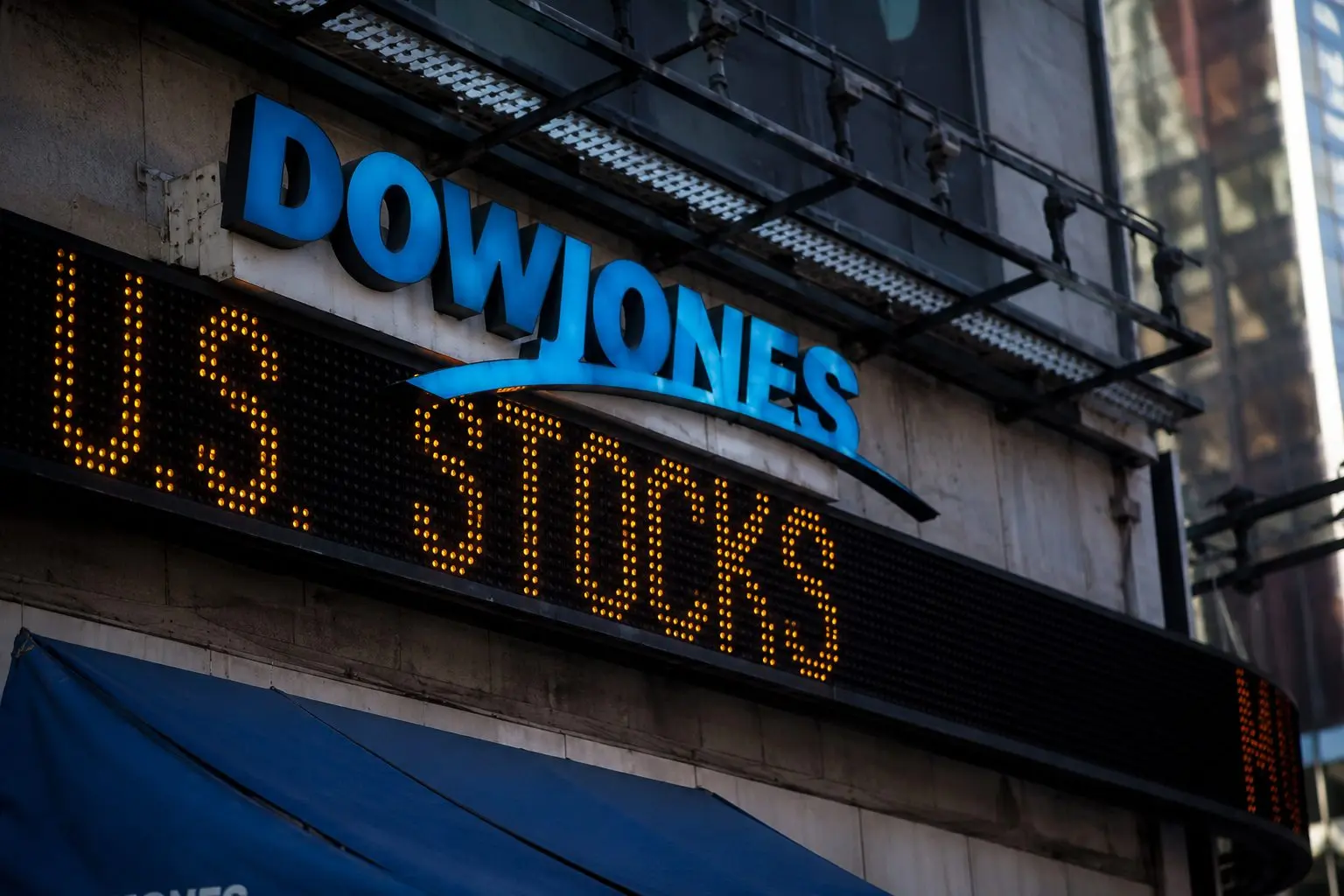
Dow pulls back in late morning, dropping 111.70 points, or 0.22%, to 50,920.76 after last week’s record close. S&P 500 stayed almost unchanged, while the Nasdaq Composite inched up 0.01%, according to LSEG data on Reuters. Wall Street balanced a fresh AI buying push with rising oil prices and new inflation concerns.
The slide is drawing attention since all three top U.S. indexes set record closes to end May. On Friday, the Dow climbed 0.72%, S&P 500 was up 0.22%, and the Nasdaq added 0.21%. That marked a ninth consecutive weekly gain for the S&P, the longest stretch since December 2023.
Stocks aren’t seeing a big selloff. The market looks stuck. Traders are weighing if AI-driven earnings can keep the rally going as rising energy prices and bond yields may push the Fed toward tighter policy than investors thought.
Nvidia shares gained after the company introduced a new chip aimed at putting artificial intelligence inside laptops and desktops. CEO Jensen Huang called the RTX Spark chip the result of a three-year partnership with Microsoft to “reinvent the PC” for AI. Reuters said Nvidia’s move puts it up against Advanced Micro Devices, Intel and Apple in the PC-chip race. Reuters
The Nasdaq outperformed the Dow in early action. Nvidia jumped 4%, Microsoft was up 2.5%, and the S&P 500 tech index climbed 1.5%, according to Reuters. But chip rivals took a hit: Qualcomm lost 6%, AMD dropped 3.1%, and Intel slid 4.4%.
Nvidia could “expand the market” while grabbing share from existing players, said Brian Jacobsen, chief economic strategist at Annex Wealth Management. He added that memory suppliers like Micron might see an uptick because their chips work with processors in AI-enabled computers. Reuters
Most of the S&P 500 sectors dropped early, with nine out of 11 trading lower, led by a 2% fall in consumer discretionary names, Reuters said. Brent crude climbed 6.11% to $96.69 on Reuters’ market page. The U.S. 10-year Treasury yield was about 4.453%.
ISM’s manufacturing PMI came in at 54.0 for May, up from 52.7 in April, according to Reuters. That’s higher than the 53.0 economists were looking for and signals more factory growth. The data doesn’t give the Fed much relief.
Factories look like they are speeding up orders as prices climb and shortages hit on the back of the war with Iran, Reuters reported. The ISM prices-paid index was up at 82.1. Demand is still steady, but input costs keep going up for most companies.
Investors are watching for the May payrolls data on Friday and results from Broadcom due Wednesday. A Reuters poll in a week-ahead report is looking for 85,000 new jobs and a 4.3% jobless rate. Liz Ann Sonders, chief investment strategist at the Schwab Center for Financial Research, said a weaker report could “calm fears” about the Fed moving toward tighter policy. Reuters
Market risk comes from getting tough jobs data, stubborn inflation, higher oil, and rising bond yields all at once. Chuck Carlson, CEO at Horizon Investment Services, said in an interview with Reuters that a prolonged “real spike in interest rates” would worry investors most. Higher yields mean borrowing costs go up and bonds start to look more attractive compared to stocks. Reuters
Dow’s decline so far appears to be testing last week’s move up, not ending it. Money is still flowing into big tech on AI. On the other hand, the Dow is stuck with old-economy names, higher energy prices and renewed worries about rates.