New York, June 5, 2026, 12:05 (EDT)
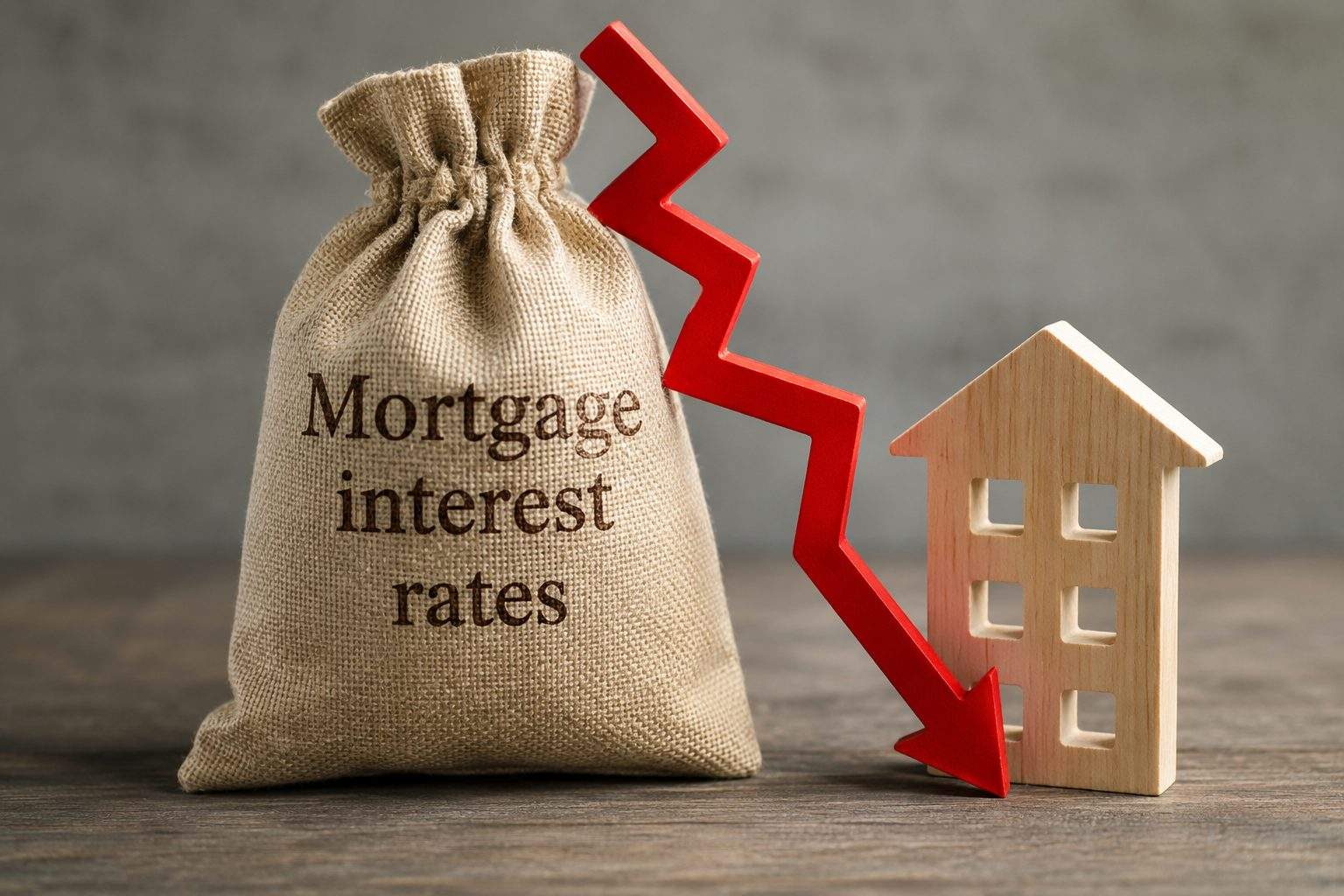
Mortgage rates in the U.S. slipped this week from a nine-month peak, but the lower rates didn’t drive a big jump in demand. The spring housing market remains stuck, with cheaper homes on offer but borrowing costs still keeping plenty of buyers out.
30-year fixed-rate mortgage drops to 6.48% from 6.53%, Freddie Mac reported June 4. Last year at this time, the average was 6.85%. “Affordability is marginally improving,” said Freddie Mac Chief Economist Sam Khater. He pointed to rates holding in the mid-6% range and income gains running ahead of home prices. freddiemac.com Realtor
With the housing market in its peak selling season, a slight dip in rates isn’t lifting sales. The Mortgage Bankers Association said total mortgage applications fell 2.5% for the week ending May 29, with purchase applications off 3%. Its 30-year contract rate dropped to 6.57% from 6.65%. Prices are still high and household budgets are squeezed.
Joel Kan, vice president and deputy chief economist at the MBA, said cheaper energy had trimmed rates but “did not lead to an increase” in applications. Purchase applications held above last year’s levels but fell to their slowest week since April, he said. Refinancing hit the lowest since last June. HousingWire
The squeeze is not just on the Fed. Michael J. Highfield, a finance professor who wrote for The Conversation, said the Fed’s impact on 30-year mortgages is limited because rates depend more on market views about inflation, economic growth, government debt, and bond yields. Yahoo Finance analysts also cited the 10-year Treasury yield as the big marker for long-term mortgage rates. Seattle Post-Intelligencer
Mortgage-backed securities complicate things. Investors buy these bundles of home loans, but want more yield since borrowers might pay off or refinance early if rates drop. Highfield said this spread over Treasurys keeps mortgage rates elevated, even if the Fed pauses or trims short-term rates.
The Fed isn’t signaling any quick move to help markets. Kansas City Fed President Jeffrey Schmid said June 4 the central bank’s options are patience or raising rates, not cutting, while inflation is still above the 2% goal. According to Reuters, the Fed is expected to keep its policy rate at 3.5% to 3.75% at the June 16-17 meeting.
Buyers found a few breaks last month. According to Realtor.com, the national median list price dropped 2.4% in May from a year ago to $429,500, the biggest annual decline since 2017 and the seventh in a row. Pending listings were up 4.3% year over year, pointing to buyers stepping in when sellers trim prices.
“Higher rates and geopolitical uncertainty could have sidelined both buyers and sellers this spring,” Danielle Hale, chief economist at Realtor.com, said. But sellers shifted their expectations and buyers responded, she said, so the market now seems to be settling at “a new equilibrium.” Stock Titan
New listings climbed in the Northeast and Midwest, according to Realtor.com, with those markets seeing a pickup after being tight on inventory. Inventory gains are now slowing in the South and West. Jake Krimmel, senior economist at Realtor.com, said, “buyers are still showing up” even with rates above 6.5%, as sellers are sticking to current pricing instead of slashing later out of distress. Stock Titan
Different rate trackers stuck to the same range, with no clear break lower. Bankrate put its average 30-year fixed at 6.51% on June 3. In its June 4-10 survey, 64% of experts said they saw mortgage rates holding near current levels, 27% called for a rise, and 9% expected a drop.
Relief may not last long. Mortgage rates track the 10-year Treasury yield, and yields are still high, the Associated Press said, as oil price shocks and Middle East inflation fears work through the bond market. If yields rise again, if inflation runs hotter, or if the Fed turns more hawkish, borrowing costs could climb and stall buyers again.
Market conditions improved a bit, but not much. Existing-home sales edged up 0.2% in April to a 4.02 million annual pace, according to the National Association of Realtors. Chief Economist Lawrence Yun cited some improvement in affordability but said tight inventory and more drawn-out buying decisions are still a drag. May’s sales report comes out June 9.