
NEW YORK, June 8, 2026, 10:05 (EDT)
- U.S. stocks started higher Monday, though AI names came under pressure again after chip stocks slumped.
- May jobs numbers came in strong, forcing investors to reconsider how soon the Fed might cut rates. That’s added some pressure on expensive growth stocks.
- Some companies now ask if spending on AI is paying off in new revenue or cost cuts fast enough.
Wall Street’s AI rally is under pressure, with investors cautious on whether recent bets will deliver lasting profits. U.S. stocks edged higher Monday after Friday’s drop. At the open, the Dow was up 0.26%, the S&P 500 rose 0.77% and the Nasdaq climbed 1.38%, as chip stocks recovered and worries in the Middle East eased.
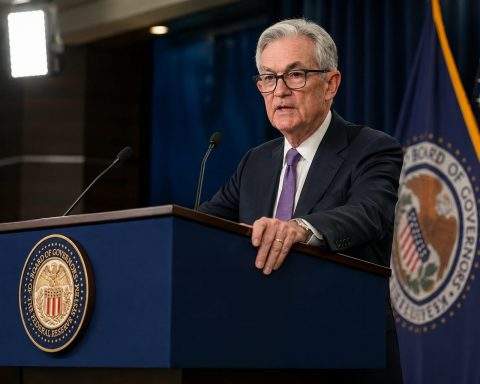
Strong U.S. jobs numbers on Friday are making rate cuts look less likely. That’s weighing on growth stocks, which take a hit when rates rise since their value depends on profits years out. The Labor Department said payrolls grew by 172,000 in May, with unemployment steady at 4.3%.
Goldman Sachs said it now sees the Federal Reserve holding rates steady through 2026, with the first rate cuts pushed to 2027. Traders are betting on a 75.5% chance of rate hikes from the Fed by year-end, according to CME FedWatch data reported by Reuters.
Questions about AI costs are getting louder in boardrooms. Axios said Saturday the so-called AI bubble is now at a “reckoning” point, as some companies who moved quickly say they’re starting to ask if AI is worth the investment across their operations. Axios
Bain & Company says doubts aren’t limited to bears or skeptics. The firm’s survey of 951 companies shows almost 40% of those tracking AI savings saw gains of less than 10%, while their targets were usually between 11% and 20%. Only 7% have fully autonomous AI agents working in production now, according to Bain.
Dalio Sees Tech Bubble Risk as AI Market Runs Up
Bridgewater Associates founder Ray Dalio cautioned investors about the pace of the AI rally in a Bloomberg video shared by MT Newswires. “All great technology changes produce bubbles,” Dalio said. He added that he expects the strong AI market to end in a bust once paper gains turn to cash. MarketScreener
Big losses hit Friday, with the Nasdaq down over 4% and chip stocks taking a harder blow. The Philadelphia Semiconductor Index, or SOX, slumped 10%, Reuters columnist Jamie McGeever said. U.S. equity markets lost about $2 trillion in value, and more than half came from chip names.
Broadcom shares dropped more than 14% last week after results didn’t match market hopes for custom AI chip demand. Analysts pointed to Broadcom keeping its $100 billion fiscal 2027 AI revenue target unchanged as a letdown for investors expecting a boost. The company is in competition with Nvidia and other chipmakers for AI infrastructure spending by big cloud players.
Citi is sticking to a bullish view. The bank raised its 2026 year-end S&P 500 target to 8,100 from 7,700, pointing to strong earnings and gains from AI. Its new 2026 EPS target for the index is $350. Still, Citi flagged uncertainty, saying continued AI-driven growth after 2027 is uncertain.
Some investors are calling the selloff overdue, not terminal. “The big surprise is not that we had a selloff, but that we didn’t have it before,” Lars Skovgaard, senior investment strategist at Danske Bank, told Reuters. He called the move a correction after a long stretch without one. Reuters
Monday’s bounce could be hiding the deeper problem. Persistent high borrowing costs and sluggish gains from AI tools could push companies to cut back. Investors might want results, not just promises.
AI is still in the market picture for now. The main question has shifted. Investors are less focused on whether the tech works. They want to know who profits, how quickly, and at what price.
Related articles: NYSE:GS