NEW YORK, June 9, 2026, 04:13 EDT
- SUNation Energy surged 420.35% to close at $5.88 on Monday, following a reverse-merger deal with Suniva. Trading volume spiked, well above the usual level.
- Pre-merger Suniva shareholders would own close to 98.2% of the combined company, with SUNation holders getting roughly 1.8%. The split could still change.
- SUNation said it plans a $2.7 million private stock sale, set to close about June 9. The company aims to use the money for working capital and general corporate needs.
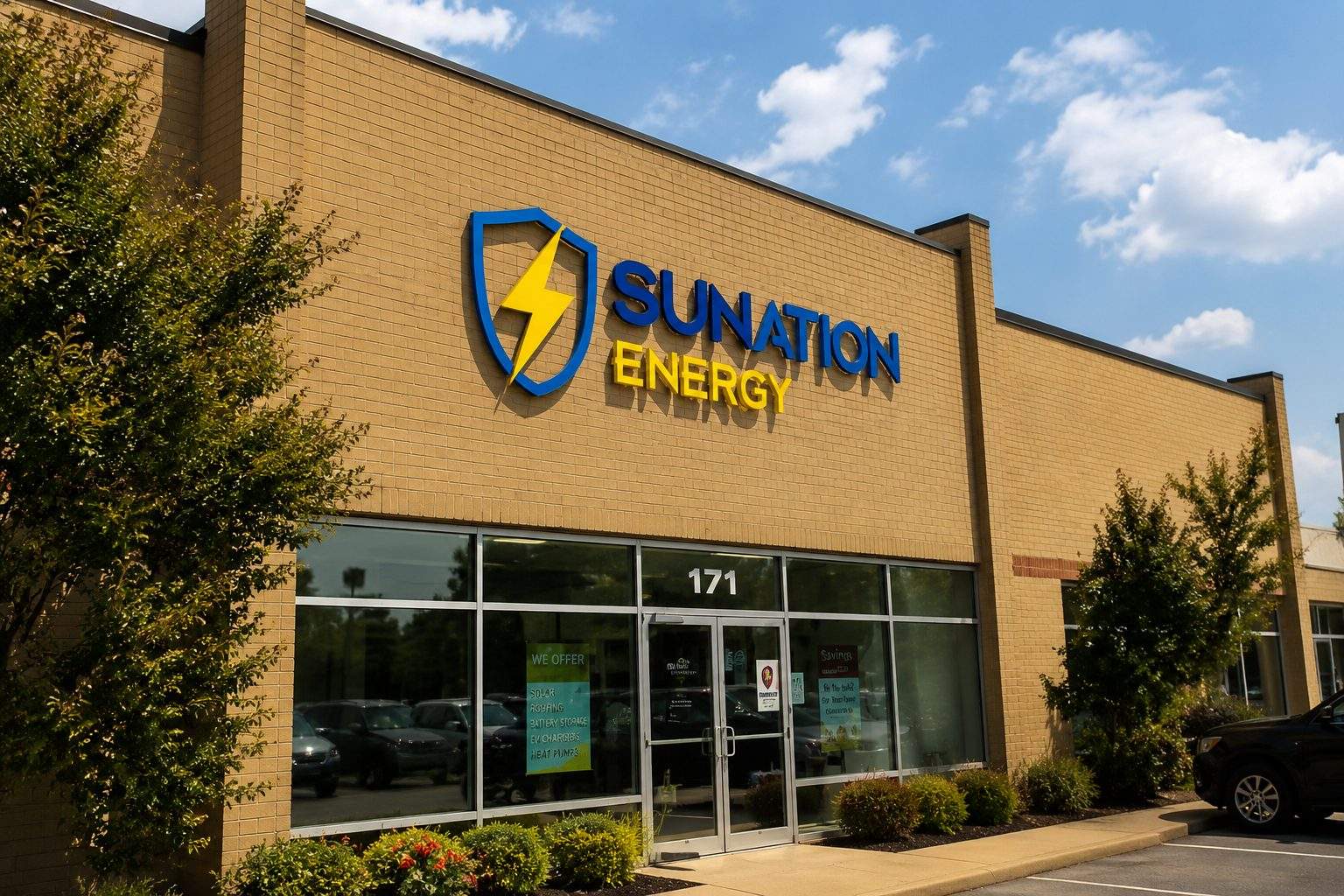
SUNation Energy Inc. jumped over five times on Monday after the solar installer said it will merge with Suniva, a U.S. solar cell maker, in a reverse merger. The deal would keep the merged company listed on Nasdaq and give Suniva’s owners control.
SUNE jumped 420.35% to finish at $5.88, a huge move even for a small-cap. The stock hit $9.45 during the session. Early Tuesday, Google Finance tracked SUNE at $5.44 in pre-market.
SUNation is working to shore up its balance sheet after a soft first quarter and lower residential solar demand. The timing is key here. With a reverse merger, a private firm merges with a listed company, which can provide a quicker path to public markets than a standard IPO.
Suniva and SUNation said the merged company will take the Suniva name but keep SUNation’s Nasdaq Capital Market listing. They said current SUNation stockholders will get equity worth about $2.26 a share when the deal closes. That’s a premium of about 100% to SUNE’s last closing price before the deal was announced.
Suniva is set to become a wholly owned unit of SUNation in a merger deal. Suniva shareholders before the deal are expected to control around 98.2% of the merged company, with SUNation holders at about 1.8%. Those numbers could change depending on SUNation’s net cash at closing.
SUNation CEO Scott Maskin said the proposed deal is the “next logical step.” Suniva CEO Tony Etnyre said Suniva was built on the idea that U.S. energy should be “built here at home.” The companies said the deal would combine Suniva’s solar-cell production with SUNation’s residential, commercial, storage, and service units.
Suniva has about 1 gigawatt of solar-cell nameplate capacity running in Georgia and is looking to put in 4.5 gigawatts more in South Carolina, according to the companies. Full completion in 2027 would take its total annual nameplate above 5.5 gigawatts. A gigawatt is just a way to measure power, showing how many solar panels or cells a factory can make each year.
The stock’s rally stood out from the rest of the solar group. Invesco Solar ETF TAN dropped 0.8% in recent trading. Enphase Energy added 1.4%. First Solar fell 1.3%. The action pointed to a deal-driven move on Monday, not a general lift for solar names.
SUNation said it entered into a securities purchase deal with institutional and accredited investors, selling 2.39 million common shares for $1.13 each to raise $2.7 million in gross proceeds. The company said there are no warrants or price-adjustment terms with this private offering, and that it will use the cash for working capital and general corporate needs.
SUNation’s financing drew attention after its last 10-Q showed cash was tight. As of March 31, the company reported $1.69 million in cash, restricted cash and cash equivalents, and it burned about $5.16 million in operating cash in the first quarter.
SUNation reported first-quarter revenue dropped 43.1% to $7.2 million and booked a net loss of $4.1 million. The company said residential contract revenue slid 53%, with a 15% increase in commercial revenue making up part of the gap. SUNation said the business is still adjusting after the Section 25D federal tax credit, a homeowner solar tax break, expired.
Maskin, in first-quarter results, said SUNation was “not trying to dress that up.” Chief Financial Officer James Brennan said lower revenue hit gross profit and margin. Operating expenses for the company dropped 10%, and interest expense slid 77% from a year ago. SUNation Energy, Inc.
The deal hasn’t closed yet. It still needs SUNation and Suniva shareholder approval, the SEC to declare a registration statement effective, and okay from Nasdaq to list the new shares. Other conditions also have to be met, like SUNation’s net cash staying above negative $1.5 million. If they don’t close by Jan. 30, 2027, either side can terminate the merger, though there could be a 60-day extension.
The risk isn’t hard to see. If the financing, approvals or Nasdaq sign-off fall through, investors are stuck with a micro-cap that swings hard, just added dilution from the private placement and a recent warning about “substantial doubt” over whether it can stay afloat without raising more money. “Going concern” refers to the company’s ability to keep running. SEC