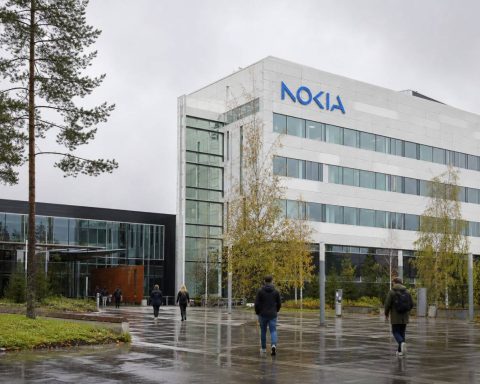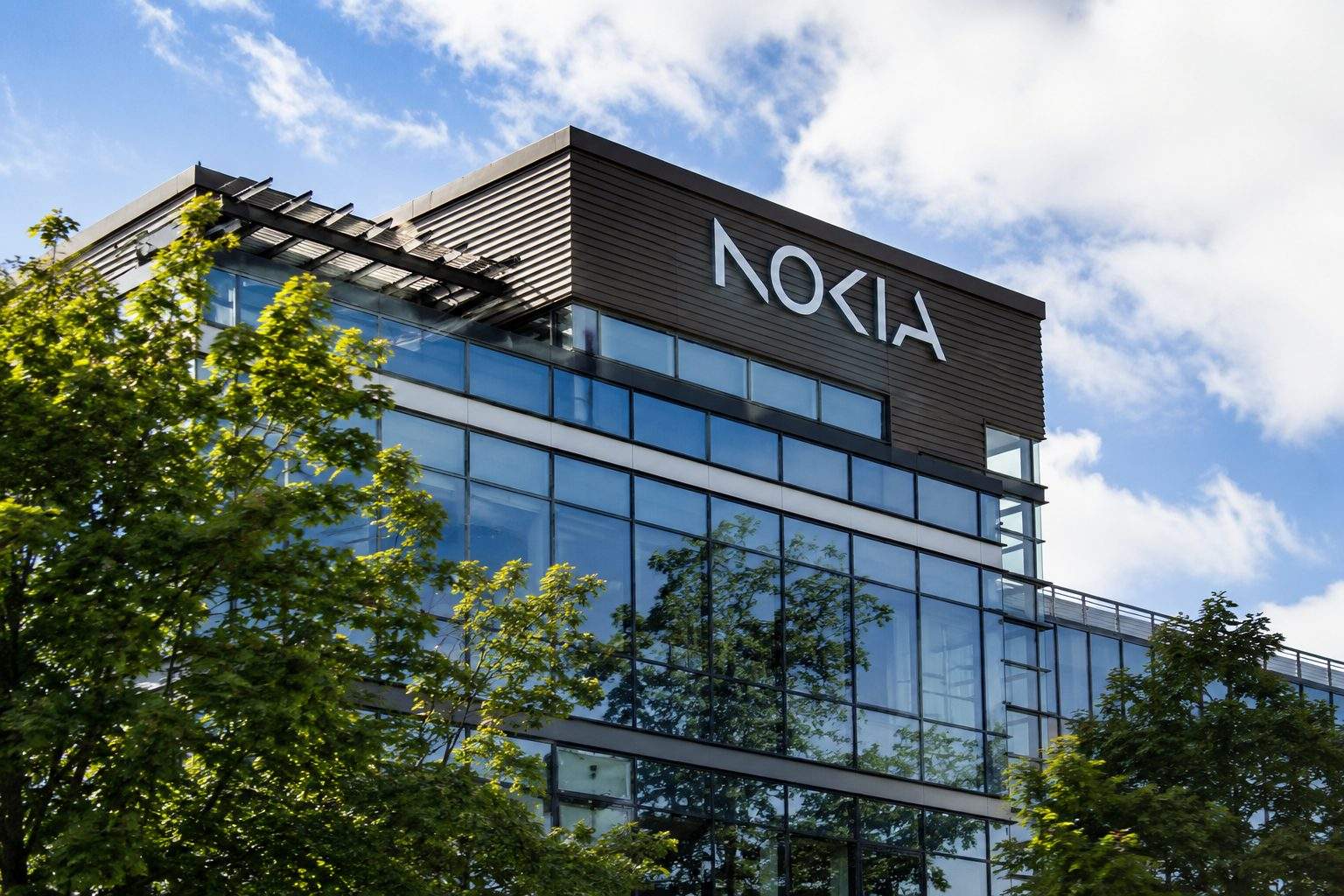

Nokia shares fell 7% after talk of Nvidia moving into 6G pressured AI-linked stocks. Helsinki, June 10, 2026, 02:03 EEST
- Nokia shares in Helsinki ended Tuesday down 6.99% at 11.970 euros. About 31.08 million shares changed hands.
- The OMX Helsinki 25 shed 1.78% and Nokia was one of the worst-performing big Finnish stocks.
- Nokia and Ericsson came under pressure, traders said, following news that Nvidia is moving into upcoming mobile-network tech.
Nokia Oyj shares dropped 6.99% on Tuesday, with the stock ending at 11.970 euros, down 0.900 euro. The selloff wiped out much of the AI-fueled gains for Nokia as investors started to question whether Nvidia could change the outlook for older telecom equipment groups.
Nokia hasn’t acted like just another telecom stock. Investors have bought in for its optical, IP and data-centre networking hardware, hoping AI demand juices sales. But the stock fell Tuesday, as the focus moved from growth hopes to who keeps the profits.
The wider market turned lower. The STOXX Europe 600 slipped 0.5%. Tech stocks in Europe dropped 1.3%. Telecom names lost 2%. Reuters said Ericsson and Nokia ranked among the session’s top fallers as traders pointed to a report mentioning risks if Nvidia moves into tech for coming mobile networks.
Nokia weighed on the Finnish market. The OMX Helsinki 25 closed at 6,341.37, dropping 114.73 points, or 1.78%, Nasdaq index data showed.
Nokia’s ADR dropped 5.07% to $13.85 in New York. MarketWatch said it closed 20.63% under its June 3 high of $17.45, with trading volume well above its 50-day average.
Nokia shares dropped despite more AI-related updates from the company. Nokia rolled out Deepfield Genome Shield, a product built to fight off distributed denial-of-service, or DDoS, attacks meant to overwhelm and disable networks. The company said its new tool is made for telecom companies, hosting providers, internet exchanges and cloud builders.
Nokia’s Deepfield VP and GM Jeff Smith said the DDoS market is “fundamentally changed” and described Genome Shield as “the industry’s answer.” Charlie Attoum, network infrastructure director at Reddot Technologies, said the tool helped the company get past “reactive, manual workflows.” SDxCentral
Nokia said earlier Tuesday it will partner with Indosat Ooredoo Hutchison to upgrade the Indonesian carrier’s 5G network. The deal covers low- and mid-band 5G as well as AI-RAN, which mixes radio access with AI computing. CEO Justin Hotard said the new phase of networks will bring “connectivity, intelligence and scale.” GlobeNewswire
The bull case goes like this. In April, Nokia reported its AI & Cloud unit posted a 49% jump in first-quarter net sales, now making up 8% of the group’s total. It also landed 1 billion euros in orders from AI & Cloud customers and guided for Network Infrastructure sales to rise 12% to 14% in 2026.
But there’s a flip side to the AI trade. If Nvidia takes a bigger role in 6G and AI-RAN, it’s not clear if Nokia actually benefits from that shift or just loses more control over its tech stack. Shares have already had a serious move. Bloomberg said last month Nokia’s forward price-to-earnings ratio has more than doubled in 2024, now sitting at roughly 36. Amanda Lyons, head of research at Energy Group Capital, told Bloomberg, “the easy re-rating is gone.” Moneyweb
Macro pressure kept markets tight. “Markets had been in a holding pattern,” Franklin Templeton portfolio manager Craig Cameron said to Reuters, citing Middle East tensions and choppy AI trades. Traders waited for a possible move from the European Central Bank expected later this week. Reuters
Nokia is up next for a company check-in. The firm is on the schedule for Bank of America’s Global Research C-Suite TMT Conference in London on June 10, with CFO Marco Wiren and the investor relations team set to meet investors. Nokia’s Q2 and half-year results are out July 23.
Tuesday’s trading showed investors continue to back Nokia’s AI story, but there’s a limit. The market wants evidence that growth in cloud and network infrastructure will be enough to make up for rising doubts around telecom equipment, partners, and margins.
Related articles: NYSE:NOK