Columbus, Ohio, June 9, 2026, 11:02 (EDT)
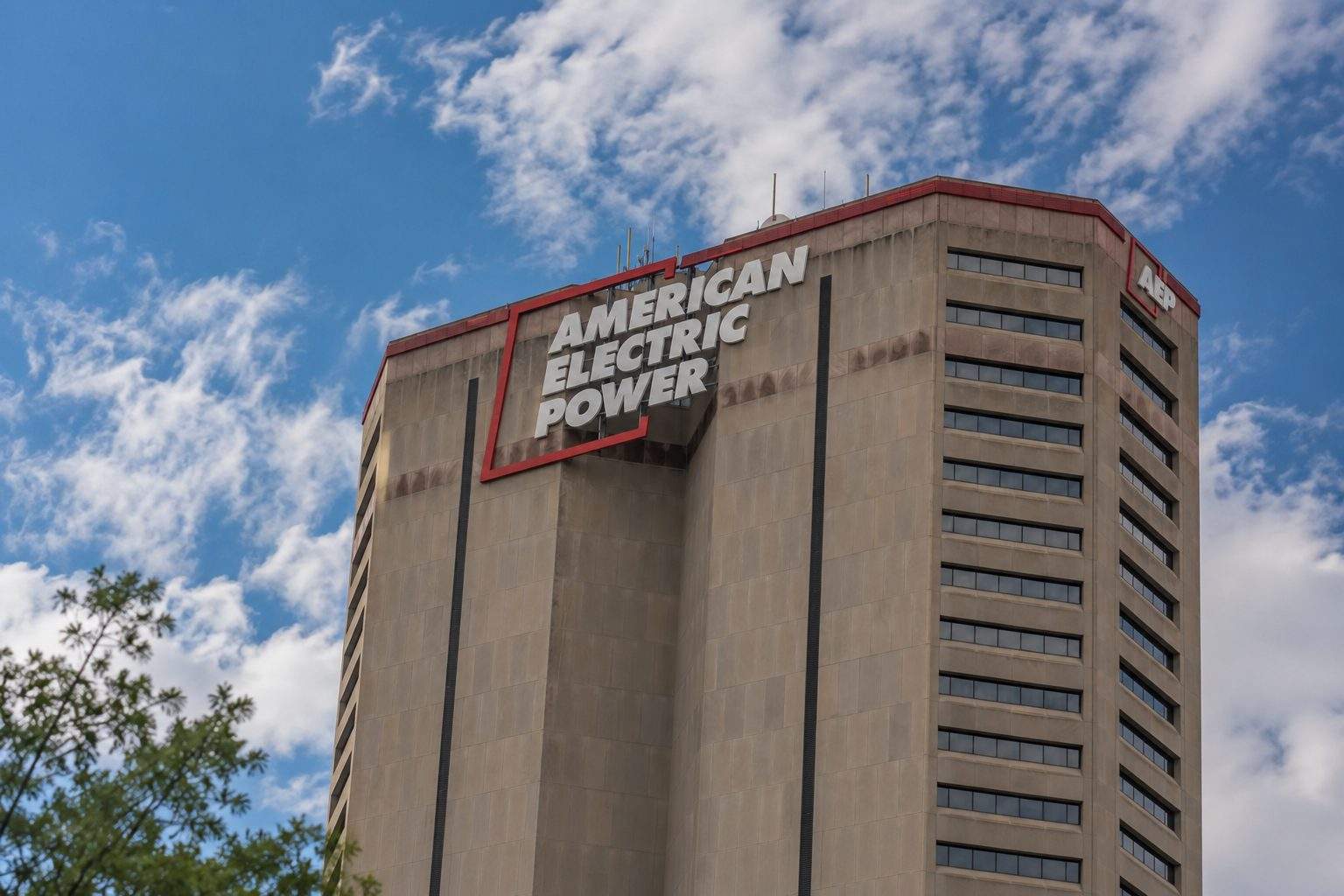
American Electric Power has finished restructuring its Ohio Valley Electric Corp. stake, tying an aging coal-power contract to fresh demand from the data-center industry. The deal, cleared by the Federal Energy Regulatory Commission, is now up for judgment as AEP’s load forecasts climb and the stock sits near highs.
AEP isn’t just seen as a slow-growing regulated utility anymore. The Columbus, Ohio-based company bumped its five-year capital plan to $78 billion last month. In the first quarter, it said it had signed 7 gigawatts of new large-energy project deals and expects 63 gigawatts of incremental contracted load by 2030—almost 90% linked to data centers. One gigawatt equals 1 billion watts.
The question shifts from just utility basics to who’s on the hook for the wires, plants and substations. AEP has said big new load contracts might bring as much as $16 billion in offsets for current customers. CEO Bill Fehrman called it a time of “unprecedented opportunity” and said the company is keeping an “intense focus on affordability.” Reuters
OVEC’s restructuring is narrow but carries weight. AEP told FERC that power rights under the OVEC Inter-Company Power Agreement would shift from Ohio Power to AEP Generation Resources in two phases. Ohio Power’s equity in OVEC is now with parent American Electric Power. The applicants said the deals closed June 1.
OVEC is more than a line item for utilities. Its pair of coal plants, built during the Cold War, became a flashpoint in Ohio after customers were paying close to $400,000 every day in subsidies. That changed last year when state lawmakers voted to stop the charges. State Rep. Casey Weinstein called rolling back the subsidy a “victory for ratepayers.” AP News
AEP traded at $127.27, up 0.4% on the day, putting its market value around $69.6 billion. Duke Energy, Southern Co. and NextEra Energy also posted gains in early trading, steadying the utilities group and meaning AEP wasn’t alone on the upside.
AEP has still done better than most of its peers. Barchart said June 6 that AEP gained 26.9% in the last 52 weeks, ahead of the Utilities Select Sector SPDR ETF’s 9.7% rise and Dominion Energy’s 19.5% increase. But year-to-date, AEP trails Dominion.
Valuation reads are all over the place. Simply Wall St pointed to a fair value on AEP at $113, under where it last closed, but also called out the company’s P/E ratio of 18.9, which is under the 21.6 industry average for U.S. electric utilities. Barchart put out that 24 analysts have a “Moderate Buy” call on the stock, with an average target of $142.76. Simply Wall St
Big data-center plans are moving ahead in Ohio. AEP Ohio and SB Energy said they’re planning a $4.2 billion transmission build for a 10-gigawatt data-center campus at the old Portsmouth gaseous diffusion site in Piketon. SB Energy will cover the transmission costs, and AEP Ohio says it expects to have power flowing by 2029. Marc Reitter, AEP Ohio president, said the state is seeing “some of the fastest electricity demand growth in the nation.” AEP
The U.S. Department of Energy said the full plan calls for 10 gigawatts of new compute, 9.2 gigawatts of gas generation, 765-kilovolt transmission lines, and four substations. SB Energy and AEP will use a dedicated data-center rate setup that DOE says is supposed to keep costs from landing on Ohio families and small businesses.
The deal’s setup is grabbing attention outside Ohio. Ari Peskoe, an energy lawyer and Harvard professor, told Reuters it could be a “new way forward” where data centers—not regular ratepayers—shoulder transmission costs. Environmental groups remain skeptical. Neil Waggoner at the Sierra Club said the plan would keep the site locked into more pollution for years. Reuters
The risk is basic. Data-center demand might come in slower than hoped, or regulators could cap how much utilities can recover from grid spending. Local protests could also slow or stop builds. In Ohio, The Associated Press said some rural residents filed a petition for a statewide constitutional ban on mega data centers, pointing to environmental, financial and social worries.
AEP’s investment story is now about execution as well as yield. The company has 5.6 million customers in 11 states and runs close to 40,000 miles of transmission lines. That brings size, but it also means regulators, customers and investors have plenty to watch as the AI-driven power build ramps from plan to bill.