
TOKYO, June 10, 2026, 01:03 JST
- AI has stopped just driving chip stocks and is now making investors rethink Japan’s gaming, character and licensing firms.
- Nikkei bounced Tuesday after Monday’s sharp AI-led drop, though traders warned about the pace of the rebound.
- Japanese investors yanked 2.72 trillion yen out of foreign equities in May, marking the biggest monthly pullback since April 2021.
Japanese entertainment names like Nintendo and Sanrio are getting caught up in the AI trade. With capital moving to chips, data centers, and automation, investors are questioning if top Japanese consumer franchises can keep their old price tags. Nikkei Asia said higher memory prices and money flowing into AI are new headwinds for the country’s content and character sectors, according to a TechNews summary.
Japan’s market isn’t moving up in a straight line now. The Nikkei ended Tuesday up 2.17% at 65,416.63, clawing back some ground after dropping 3.85% on Monday, the steepest fall in three months. Kazuaki Shimada, chief strategist at IwaiCosmo Securities, said people still like AI shares, but there’s caution about how fast the market’s been running.
Japanese investors dumped 2.72 trillion yen ($16.98 billion) worth of overseas equities in May, their biggest pullout since April 2021, Ministry of Finance data showed. At the same time, they snapped up 2.9 trillion yen of foreign bonds, the most they’ve bought since May 2025.
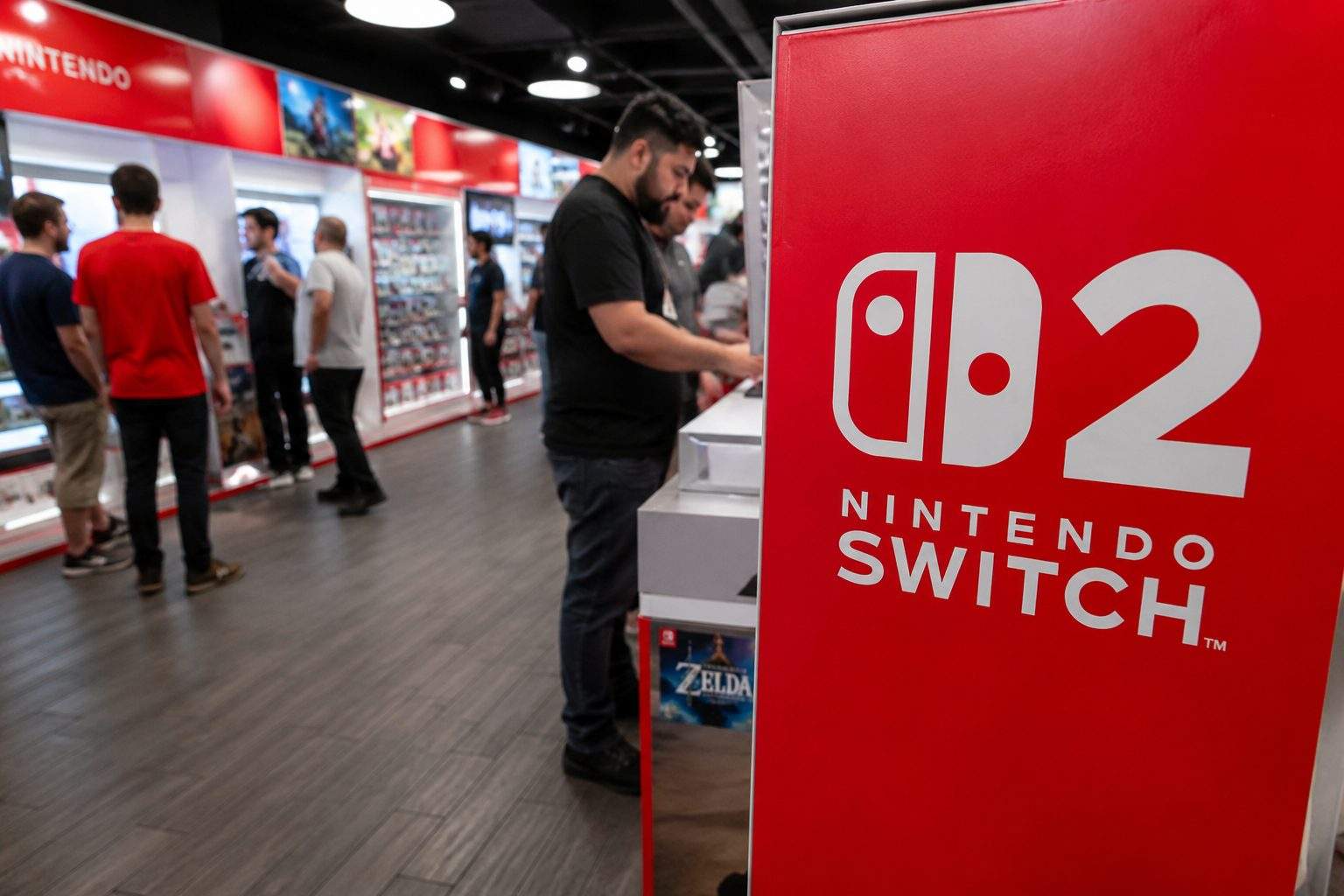
Nintendo is feeling the AI crunch. In May, the company announced it would hike the price of the Japanese-language Nintendo Switch 2 to 59,980 yen from 49,980 yen. U.S. buyers will see a price jump to $499.99 from $449.99 starting Sept. 1. Nintendo cited medium- to long-term shifts in market conditions.
Nintendo is facing about 100 billion yen in extra costs this year from higher component prices, mainly memory, and tariffs. Morningstar analyst Kazunori Ito said the price hike signals Nintendo can’t cover the memory expense internally. Serkan Toto at Kantan Games said Nintendo also needs to push out more first-party hits to keep up demand.
The risk isn’t one-sided. Nintendo could keep margins with higher console prices, but those prices might turn off casual players—usually the most price-sensitive part of its audience. For Sanrio, the problem shifts. The Hello Kitty maker isn’t tied up in hardware prices. Still, its licensing business faces the same pressure, as investors keep comparing it to faster-growing AI stories.
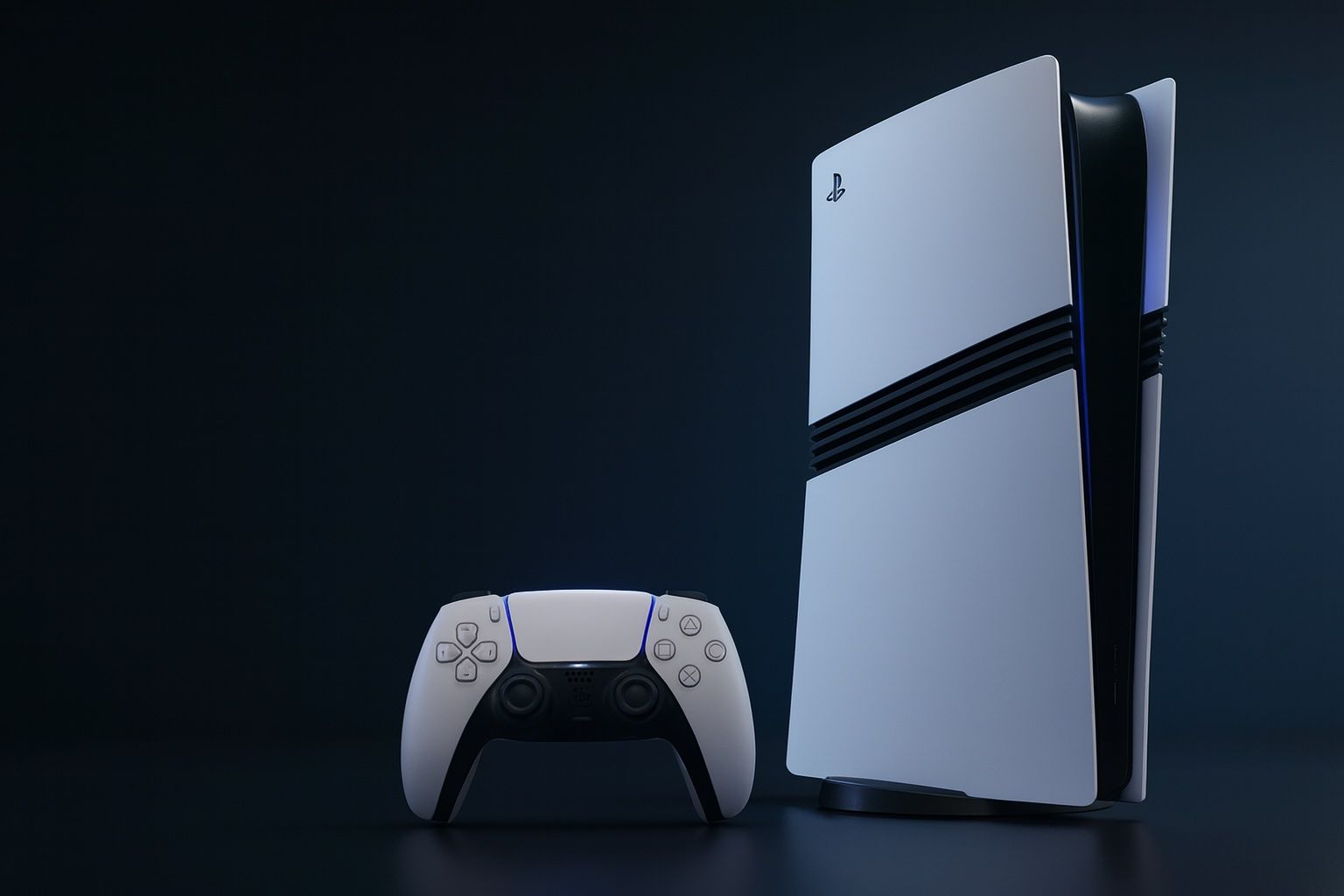
Sony is under pressure too. The company expects annual gaming sales to drop 6% to 4.42 trillion yen, with the PS5 getting older and memory getting more expensive. But Sony is guiding for gaming profit to jump 30%. The company hiked PS5 prices back in March, raising the U.S. tag by $100.
AI is starting to reshape game development. More than half — 51% — of Japanese game companies are now using AI or generative AI during development, according to a Computer Entertainment Supplier’s Association survey covered by PCGamesInsider. They’re using the technology for things like images, story work, and programming help.
Nintendo, Sony and Konami now face a tougher market. It’s not just about whether the next title will sell. Investors want to know which companies can lower costs with AI, who might take a hit on chip prices, and which brands can still command top valuations as more cash goes into AI infrastructure.
Barclays told CNBC it sees Japan’s Nikkei as a safer bet than South Korea’s Kospi, calling Japan a relative haven in Asia’s wild AI trade. Picking stocks in Japan is still tough.
Nintendo and Sanrio face a more direct challenge: can IP, beloved characters and loyal fans still bring in investor money while AI stocks lead? The brands are still holding up. But the market is starting to demand more.
Related articles: TSX:7974