New York, June 11, 2026, 10:03 ET
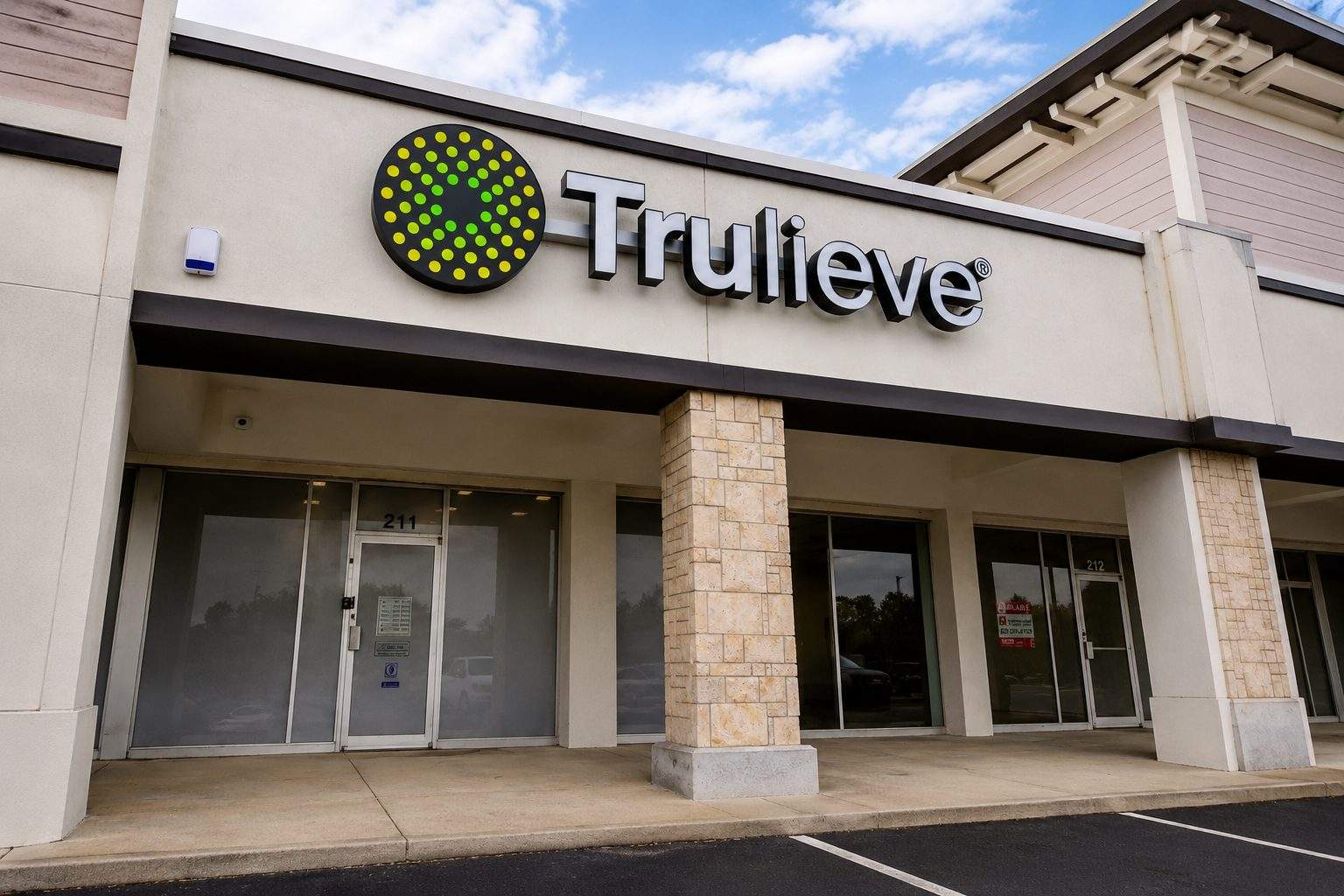
- Trulieve started trading on the NYSE this week under the ticker TRLV, moving from OTC and CSE platforms to a bigger U.S. exchange.
- Trulieve said it will buy back as much as $50 million worth of stock, or up to 8,495,038 shares, whichever comes first. The company plans to cancel any shares it repurchases.
- The stock finished its first day on the NYSE at $11.50, dropping 0.43%. In early Thursday trade, shares moved up near $11.78, market-data snapshots show.
Trulieve Cannabis Corp. is seeing the kind of attention U.S. cannabis players have long tried to get: a listing on a major U.S. exchange, a new ticker, and a signal it might return capital. Shares are now trading on the NYSE as TRLV. The stock was quoted near $11.78 Thursday morning after ending its NYSE debut at $11.50. The focus now is whether being on a bigger exchange and having new access might pull in steadier demand for the shares, not just more cannabis buzz.
Trulieve is set to move away from its reputation as just an OTC cannabis stock for U.S. investors. The company said its subordinate voting shares got approval to list on the NYSE, with trading set to start under TRLV on June 10. Previously, the shares traded on the Canadian Securities Exchange as TRUL and OTCQX as TCNNF until markets close on June 9.
TRLV’s first session on the NYSE was choppy. Shares opened near $11.78, swung between $10.85 and $12.30, then closed at $11.50. That’s off $0.05, or 0.43%, from the last close. The move matters since traders had already priced in the uplisting. Now they’re watching to see if liquidity actually picks up after the initial buzz cools.
Trulieve pushed out a new pitch for shareholders. The board on June 9 cleared a buyback plan for up to the lesser of $50 million or 8,495,038 subordinate voting shares, which is 5% of the float as of June 8. The buyback lets Trulieve purchase its own stock; if shares get cancelled, the stakes for the rest get a little bigger.
Chief Executive Kim Rivers said the move was about capital allocation and added, “This program reflects our confidence in the long-term value of the business.” The company said it is not required to buy a set number of shares and can suspend, change or end the program whenever it chooses. Investors – Trulieve
The buyback matters because of Trulieve’s recent cash figures. In first-quarter numbers out May 7, Trulieve posted $287 million in revenue, a 59% gross margin and $2 million in net income for common shareholders. Adjusted EBITDA came in at $100 million, and free cash flow was $42 million. Adjusted EBITDA strips out some items from operating earnings, while free cash flow is what’s left after capital spending.
The NYSE approval followed a corporate and policy change. The Justice Department and DEA moved FDA-approved marijuana products and state-licensed medical marijuana to Schedule III, which is less restrictive than Schedule I. They kept tough controls and have a June 29 hearing planned on wider marijuana rescheduling.
Trulieve changed its business structure after new agreements tied to Harvest Enterprises. In a June 4 SEC filing, Trulieve said it made deals on June 3 that deconsolidate Harvest, its medical and adult-use business, from Trulieve’s financials. Whitley Holding 05192026 bought voting units for about $14.8 million, giving it a 10% economic stake in Harvest. Trulieve keeps only non-voting interests and has no control over Harvest’s operations.
The accounting change is key here. Trulieve now says its consolidated business is just state-licensed medical marijuana sites, with 206 medical marijuana dispensaries and 3.5 million square feet of production capacity with DEA registration. Rivers called the NYSE step “a major advancement for Trulieve and the industry.” Investors – Trulieve
Governance news hit Thursday as an 8-K showed shareholders at the June 9 meeting voted in all seven board nominees, set the board at seven, approved executive pay on an advisory basis, and ratified WithumSmith+Brown, PC as auditor for 2026. The move doesn’t drive trading, but it clears a procedural hurdle tied to the annual meeting.
NYSE listing is a milestone for the market, but it’s not a guarantee. The company’s buyback is discretionary. Near-term comparisons get trickier after the Harvest deconsolidation, and the company said the second-quarter 10-Q, due by August 7, 2026, will include the accounting details. Federal cannabis policy is still split: Schedule III covers qualifying medical marijuana businesses, but the Federal Register rule keeps other types of marijuana as Schedule I unless they’re FDA-approved or under state medical licenses.
TRLV now faces the test of whether it can pull in steady volume from investors who typically sidestep OTC cannabis names. Next up is the planned corporate rework. Trulieve has set an August 5, 2026 vote for shareholders to decide on moving its headquarters from British Columbia to Delaware. Management says the change would match its legal base to its U.S. operations, but it still needs shareholder, court and regulatory sign-off.