
New York, June 11, 2026, 16:02 ET
- Freddie Mac said the average rate for a 30-year fixed mortgage climbed to 6.52%.
- Mortgage rates are seen staying north of 6% through 2028, according to a Reuters poll.
- Mortgage applications jumped 10.8% last week. But buyers are still facing affordability issues.
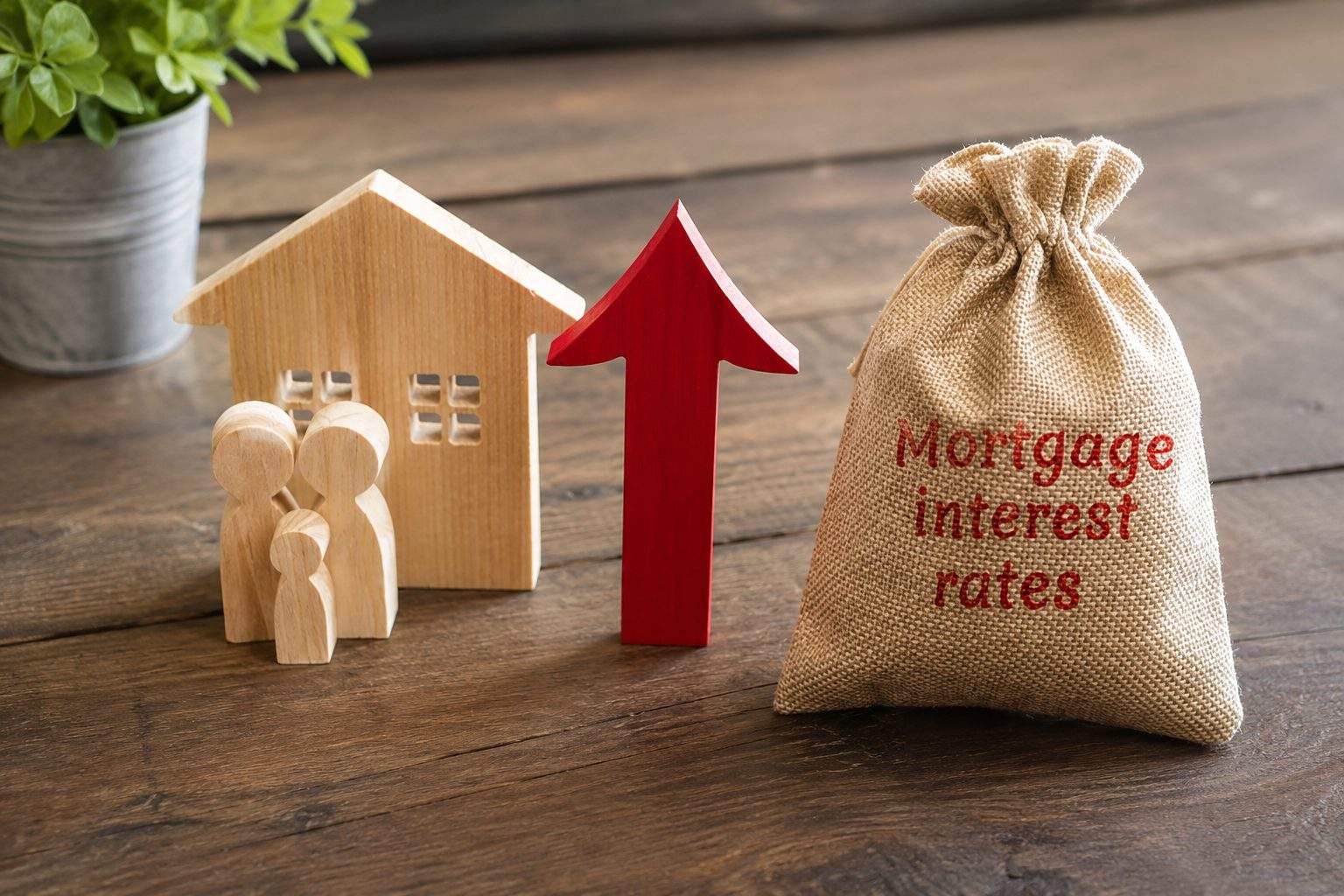
Mortgage rates in the U.S. edged up again this week, moving closer to their highs from 2026. That’s more pressure for buyers dealing with high prices, persistent inflation, and few signs that the Federal Reserve is ready to cut rates. Freddie Mac on Thursday put the average 30-year fixed at 6.52% for the week ending June 11, versus 6.48% the week before. That’s just under the 6.53% seen two weeks back.
The 15-year fixed-rate mortgage, a popular choice for refinancing, ticked up to 5.84% from 5.79% last week. Both the 30-year and 15-year rates are still running below where they were a year ago—6.84% and 5.97%, respectively. But the recent bump keeps borrowing costs high and continues to squeeze household purchasing power.
Freddie Mac Chief Economist Sam Khater pointed to stronger jobs numbers as a driver for buyers. Khater said existing home sales have hit a five-month high as some buyers come back. “Stronger employment momentum has helped existing home sales reach a five-month high,” Khater said. He said buyers are “look[ing] past the short-term rate fluctuations” and coming back to the housing market. Freddie Mac
Daily lender surveys pointed to the same trend. Bankrate’s mortgage-rate tracker had the 30-year fixed at 6.55%, 15-year fixed at 5.93%. Its 30-year refinance average hit 6.70% as of Wednesday morning. Weekly survey data from Bankrate also showed the 30-year fixed rate ticking up to 6.55% from 6.51%.
Mortgage rates picked up again after new inflation numbers clouded hopes for a break on rates. The Bureau of Labor Statistics reported consumer prices jumped 4.2% for the year through May, compared with 3.8% in April. Energy costs climbed 23.5% over the year. Gasoline is up 40.5%.
Producer-price numbers turned up the heat Thursday. The Producer Price Index climbed 1.1% in May and was up 6.5% from a year ago, Reuters said, marking the fastest annual rise since November 2022 as energy prices jumped. Jobless claims increased by 4,000 to 229,000 for the week ended June 6, but Reuters noted the data still points to a steady labor market.
Stubborn inflation and a solid jobs market have kept bond yields up. That’s important for mortgage rates since they usually track the 10-year Treasury yield. The 10-year was at 4.53% midday Thursday, The Associated Press said, higher than 4.47% a week ago and up from 3.97% at the end of February, before the U.S.-Iran tensions ratcheted up pressure in energy markets.
Housing is still soft, with a Reuters poll of property experts from June 1-11 pointing to the 30-year mortgage rate at 6.4% for next quarter, then 6.3% in Q4, and staying above 6% through 2028. The poll also showed S&P Cotality Case-Shiller 20-City home prices rising 1.2% this year and 2.0% in 2025.
Affordability sits at the heart of the problem. “We’ve gotten to a point where it is becoming increasingly challenging for the typical American to get on the housing ladder,” James Knightley, chief international economist at ING, told a Reuters poll. In that survey, Reuters said almost two-thirds of analysts expect purchasing affordability to deteriorate in the next year. Reuters
Buyers are still active. The Mortgage Bankers Association said mortgage applications climbed 10.8% for the week ended June 5. Refinance applications jumped 15%, and purchase applications rose 7%, HousingWire reported, citing the MBA survey. “Mortgage rates were volatile last week as news from the Middle East continues to drive markets,” said Mike Fratantoni, MBA’s senior vice president and chief economist. HousingWire
Existing-home sales moved up in May, with a 3.2% gain from April and the same month last year. The National Association of Realtors said the pace reached a seasonally adjusted 4.17 million. Median price on existing homes increased 1.3% over the year to $429,300. Inventory hit 1.55 million, so buyers had more choices but prices stayed close to May highs.
Related articles: Inflation