
New York, June 11, 2026, 11:02 (ET)
- Major indexes were up in late LSEG pricing, with the S&P 500, Nasdaq and Dow all trading higher as Wall Street looked to bounce back from Wednesday’s AI-driven drop.
- Chip stocks moved higher, pulling the market up, but Oracle and software names were weaker after fresh worries about AI infrastructure spending hit.
- May PPI surprised to the upside, keeping worries about rates in play as energy costs—linked to Middle East tensions—fueled the inflation jump.
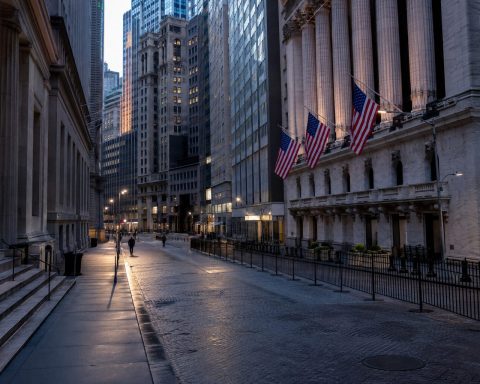
U.S. stocks climbed Thursday morning as buyers moved back into big tech and chip names. Investors continued to track inflation numbers, Middle East tension, and the Fed’s direction. According to delayed LSEG figures via Reuters, the Dow Jones Industrial Average rose 0.68% to 50,258.33, the Nasdaq Composite added 0.61% to 25,323.80 and the S&P 500 was up 0.51% at 7,304.00. Quotes lag at least 15 minutes.
The partial bounce followed a rough session Wednesday. S&P 500 slipped 1.6% to 7,266.99, Dow slid 953.33 points, or 1.9%, to 49,918.78, and Nasdaq shed 2% to 25,169.50, according to AP market data. AP said artificial-intelligence stocks were under new pressure and oil prices climbed after President Donald Trump threatened more attacks on Iran.
Chip stocks bounced back, leading gains. Reuters said Intel rose 10%, Nvidia gained 1.3%, and Micron Technology added 2.4%. The S&P 500 tech index climbed 1.4%. The Philadelphia Semiconductor Index jumped 4.5%. That follows a sharp drop Wednesday that put tech shares in correction.
Tech’s gains were uneven. Oracle shares slid 12.5% on Thursday after it forecast fiscal 2027 capital spending above what analysts had in their models. The S&P 500 software index lost 2.2%, Reuters said. Reuters also reported Oracle is looking to raise almost $40 billion via debt and equity next year, and the company’s guidance now calls for as much as $95 billion in fiscal 2027 capital spending with possible customer reimbursements up to $25 billion.
Geopolitical tension stayed in focus. Reuters said Trump warned the U.S. would strike Iran “very hard tonight” and move to take control of Iran’s oil and gas infrastructure and markets. The comments held investors’ attention on the risk of energy disruption driving inflation. Reuters
Phil Blancato, chief market strategist at Osaic Wealth, told Reuters Trump’s warning was “a pretty worrisome thought for the market.” Still, Blancato said stocks could be “grossly oversold” after the recent pullback. Reuters
The bounce got harder after new data. The Labor Department’s report, via Reuters, said the Producer Price Index for final demand climbed 1.1% in May. Economists had predicted 0.7%. The index is up 6.5% from last year—biggest jump since November 2022. Energy prices jumped 10.7%, while gasoline soared 23.4%.
The Consumer Price Index report out Wednesday showed prices up 0.5% in May and 4.2% higher than a year ago, the biggest yearly gain since April 2023. Core CPI, which strips out food and energy, rose 0.2% for the month and 2.9% over the previous year. Inflation measures stayed above the Fed’s target.
Labor numbers prevented a full-blown growth scare. Initial jobless claims increased by 4,000 to a seasonally adjusted 229,000 for the week ended June 6, topping the 219,000 expected in a Reuters poll. Continuing claims came in at 1.795 million for the week ended May 30, up 24,000 from the week before.
Brent crude slipped 0.21% to $92.90 on Reuters/LSEG data. Gold dropped 0.77% at $4,076.70. The U.S. 10-year Treasury yield edged down 0.004 point to 4.536%. Energy and rates pressures stuck around, with equities working to stabilize.
The Federal Reserve is still seen as the next big market hurdle. Investors are betting on at least one 25-basis-point rate hike before the end of the year, according to Reuters, even with broad expectations that the Fed will hold steady at its policy meeting next week. Also in focus is SpaceX, with its Friday market debut set to test a rally that’s pushed stocks to multiple records in 2024.
Related articles: NASDAQ:NVDA