
New York, June 12, 2026, 08:02 EDT
- Park Ha Biological Technology’s Nasdaq-listed shares closed Thursday at $1.05, down 15.32%, then jumped to $2.40 in Friday premarket trading as of 7:59 a.m. EDT.
- The move follows a volatile week: BYAH closed up 150% on June 8, then fell 41.13%, 20.51% and 15.32% over the next three sessions.
- The next major catalyst is whether the premarket rally holds after the regular open, followed by any SEC filing or prospectus supplement tied to the company’s effective shelf registration.
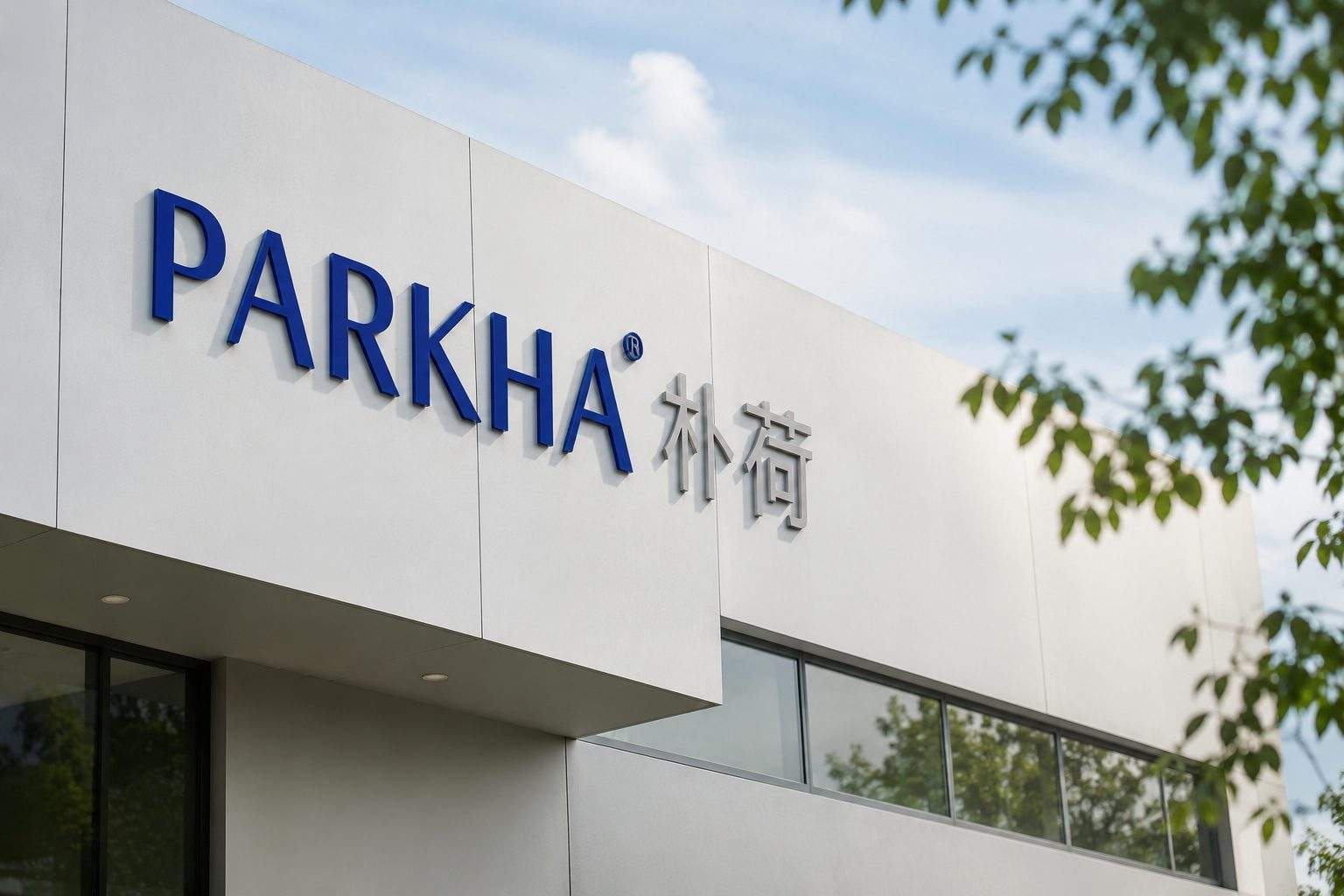
Park Ha Biological Technology Co., Ltd. shares were set for another dramatic session Friday, with BYAH trading at $2.40 in premarket dealings, up 128.57% from Thursday’s close, according to StockAnalysis data sourced from S&P Global Market Intelligence. Premarket trading means buying and selling before the regular Nasdaq session opens; it can be thin and volatile, so early prices may not reflect where the stock will trade after 9:30 a.m. in New York.
The sharp rebound matters because BYAH has been trading less like a stable consumer-products stock and more like a high-volatility microcap. Microcap refers to a company with a very small market value; StockTitan recently listed Park Ha’s market capitalization at about $4.0 million and its float, or shares freely available to trade, at about 968,460 shares. A small float can magnify price swings when trading volume suddenly spikes.
The latest move did not coincide with a verified new company operating announcement in the last 24–48 hours. StockTitan’s recent company news list still showed the January public offering and October ticker-symbol change as the latest company news items, while its latest SEC item was a June 9 notice that Park Ha’s Form F-3 registration statement became effective on June 8 at 5:00 p.m. Stock Titan Stock Titan That makes Friday’s regular-session trading the immediate test: investors will be watching whether the rally is sustained by real demand or fades as a short-term momentum trade.
Park Ha is not a biotech drug developer despite the “Biological Technology” name. The company’s SEC filing says its business is built around a private skincare label, direct skincare product sales and franchise promotions in China, with the Park Ha brand focused on problematic skin. Revenue mainly comes from product sales and franchise fees. SEC For fiscal 2025, Park Ha reported $2.52 million in revenue and $2.38 million in gross profit, implying a 94% gross margin, which means the company kept 94 cents of gross profit for each dollar of revenue after direct costs. But it also reported a $24.36 million net loss, largely reflecting heavy general and administrative expenses. SEC
The bull case is that Park Ha has a small base from which growth can look large if its store and product strategy gains traction. Product sales rose 43% in fiscal 2025, and sales to non-franchise customers increased 51%, helped by two new directly operated stores, according to the company’s annual filing. SEC The company also ended fiscal 2025 with $3.79 million in cash, up from $547,498 a year earlier, and it raised $2.45 million in a January best-efforts public offering intended for expansion of directly operated stores in China.
The bear case is equally clear: the business is small, the share price is extremely unstable, and dilution risk remains central. Dilution means existing shareholders can own a smaller percentage of the company when new shares or share-linked securities are issued. Park Ha’s January offering included units with Class A shares and warrants, and the company later completed a 1-for-50 reverse stock split after Nasdaq minimum-bid-price issues; a reverse split combines shares to raise the per-share price without improving the underlying business by itself. GlobeNewswire SEC Franchise economics also weakened in fiscal 2025, with franchise fees down 10% and franchisee count falling to 22 from 45 a year earlier.
The next company-specific catalyst is any prospectus supplement or financing update following the effective Form F-3 shelf registration. A shelf registration lets a company register securities in advance and sell them later, subject to terms disclosed in supplements; Park Ha’s filing covers up to $300 million of Class A ordinary shares, warrants, debt securities, rights, units and related instruments. For now, based on verified facts, BYAH looks risky rather than clearly attractive or fairly valued: the premarket surge may reward short-term traders, but the combination of a tiny market value, heavy losses, recent financing activity, reverse-split history and large day-to-day price swings makes the stock difficult to value on fundamentals alone.
Related articles: Biotechnology