
London, June 12, 2026, 12:02 BST
- Lloyds’ latest delayed quote showed the shares around 101.8p, up 3.71%, outperforming the FTSE 100’s 1.13% gain.
- The bank’s next major catalyst is its July 30 half-year results and strategy update.
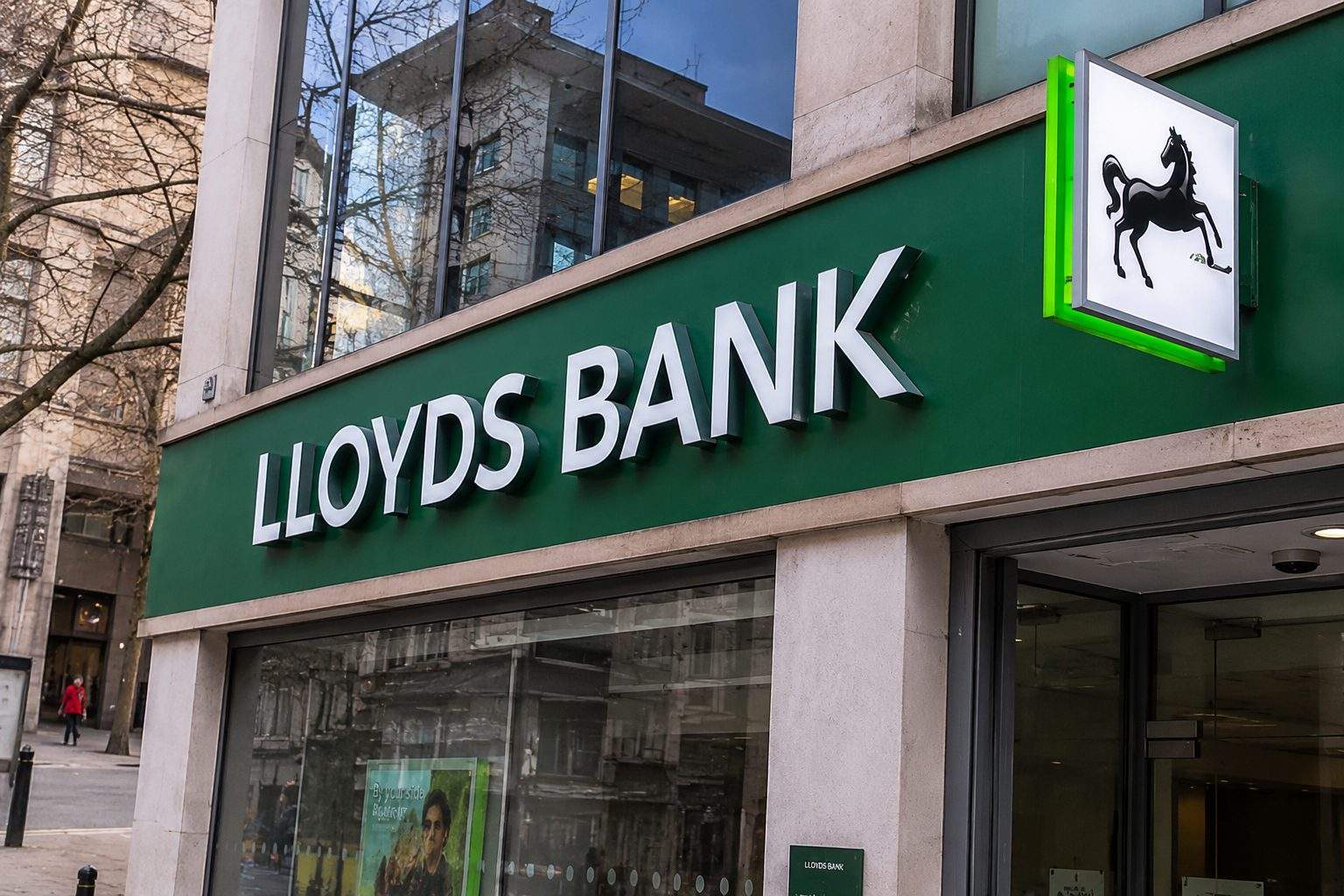
Lloyds Banking Group plc shares moved higher as investors weighed a fresh buyback filing, another round of branch closures and a broader rally in UK bank stocks. Hargreaves Lansdown’s delayed market data showed Lloyds’ ordinary shares quoted at 101.75p to sell and 101.80p to buy, up 3.64p, or 3.71%, while the FTSE 100 was up 1.13%. The same data put Lloyds’ market value at about £59.29 billion, with a price-to-earnings ratio of 14.02; the P/E ratio compares the share price with earnings and is a common valuation yardstick.
The stock’s move also came as UK banks helped lead a wider London rally. Trading Economics said the FTSE 100 rose on Friday, supported by optimism around a possible easing of the US-Iran conflict and falling oil prices, with banks and miners among the strongest sectors; Lloyds, NatWest, HSBC and Standard Chartered were all reported up more than 2%. TradingView For Lloyds, that matters because the shares are highly sensitive to the UK economic outlook, interest-rate expectations and investor appetite for domestic banks.
The newest company-specific market filing was Lloyds’ June 11 “Transaction in Own Shares” announcement. The bank said it bought 5,000,000 ordinary shares through Goldman Sachs International at a volume-weighted average price of 98.1064p, with the shares intended for cancellation. Sharecast Buybacks can support earnings per share because cancelling shares reduces the number outstanding, although they do not remove operating risks in the underlying business.
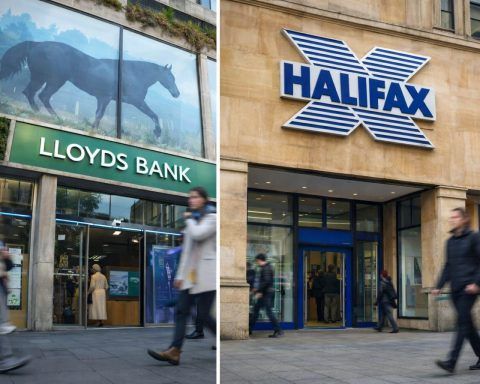
The other fresh development is operational rather than financial: Lloyds, Halifax and Bank of Scotland will shut at least 247 branches across 2026 and 2027 after 79 new closures were announced on Wednesday, June 10, according to MoneySavingExpert. The latest round includes 31 Lloyds branches and 48 Halifax branches, while the group is pointing customers toward alternatives such as shared branches, Post Office services, community bankers and banking hubs. MoneySavingExpert.com For investors, branch cuts can signal cost discipline and a continued shift toward digital banking, but they also carry reputational and political risk if customers, especially older or cash-reliant users, feel excluded.
The bull case is that Lloyds is still producing strong profitability while returning capital. In its first-quarter statement, the bank reported £2.0 billion of statutory profit before tax, underlying net interest income of £3.6 billion, up 8%, and a banking net interest margin of 3.17%; net interest margin is the spread between what a bank earns on loans and securities and what it pays for deposits and funding. Lloyds also reiterated 2026 guidance for underlying net interest income above £14.9 billion, return on tangible equity above 16%, and capital generation above 200 basis points, with CET1 — a core bank capital buffer — targeted around 13.0%.
The bear case is that the share price no longer looks obviously cheap after its rebound. Investors Chronicle’s LSEG data showed 15 analysts with a median 12-month target of 123p, a high estimate of 130p and a low estimate of 91p, with recommendations split across 3 buys, 10 outperforms, 3 holds and 2 sells as of June 4. Investors Chronicle Morningstar was more cautious in May, saying Lloyds had not fallen far enough to be attractively valued and citing a 97p fair value estimate, alongside risks from a weaker credit cycle and about £2 billion of expected mis-sold car finance commission costs.
The next major catalyst is July 30, when Lloyds is scheduled to publish half-year results and a strategy update. Lloyds Banking Group That event matters more than the branch-closure headlines because investors will be looking for detail on growth, costs, capital returns, credit quality and the future shape of the bank. Chief Executive Charlie Nunn has already flagged the timing, saying: “We look forward to presenting our new strategy alongside the half-year results.” EQS News
On the verified facts available today, Lloyds looks fairly valued rather than a clear bargain. The dividend yield of about 3.59% and continuing buyback offer shareholder-return support, while the July strategy update could give the stock a new leg higher if management confirms durable income growth and tight costs. HL The risk is that the current price already discounts a lot of good news, leaving the shares vulnerable if UK credit conditions worsen, motor-finance costs rise beyond current expectations, or the branch-cutting strategy triggers regulatory or customer backlash.