
London, March 3, 2026, 17:33 GMT — Trading after the bell.
- FTSE 100 slumped 2.8% at the close, marking its steepest single-day drop in almost a year.
- Investors pulled back on UK rate-cut bets, sending banks and travel shares lower.
- Traders zeroed in on oil prices, new developments from the Middle East, and the Bank of England’s March call.
London stocks tumbled on Tuesday, the FTSE 100 sinking 296 points—down 2.8% to 10,484.13—in its heaviest one-day fall in nearly a year. Rallying energy costs stoked inflation concerns, squashing any short-term hope for rate cuts. The FTSE 250 fared worse, losing 3.1%.
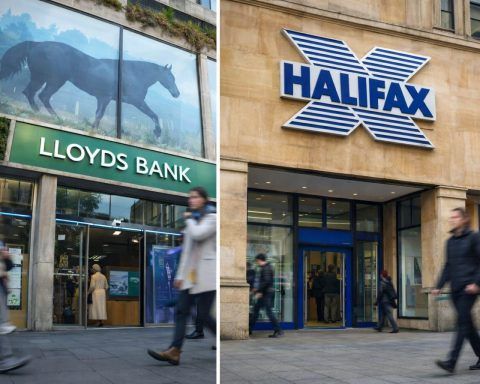
Selling accelerated, with traders scaling back expectations for a Bank of England rate cut this month. Oil and gas prices jumped, just as markets braced for new UK economic and borrowing projections. “Set against a backdrop of rapidly rising energy prices, there will undoubtedly be plenty of scrutiny over how higher oil and gas prices could spark a fresh bout of inflation,” said Joshua Mahony, chief market analyst at Scope Markets. Bank stocks—HSBC, Barclays, Lloyds—tumbled. Smith & Nephew moved up after Barclays lifted its price target. Airlines took a hit: IAG slumped, pressured by both higher fuel costs and travel turmoil in the Middle East. Reuters
Bond yields pushed higher, indicating investors wanted higher returns for holding government debt. Since yields and prices move in opposite directions, higher yields usually mean bond prices are slipping. A “quarter-point” rate cut is 0.25 percentage points—25 basis points, in market shorthand.
UK stocks fell in step with Europe, where markets touched one-month lows. The Middle East conflict sent oil prices higher, ratcheting up fears over inflation and growth. Financial stocks bore the brunt, while travel names stayed in the red.
UK stocks slid further Tuesday, building on losses from Monday as a global risk-off turn linked to the conflict hammered the market. Oil giants and defence groups managed to hold up better. “If the issues persist, then the market will start to worry about new inflationary pressures and that could lower expectations for near-term interest rate cuts,” said Dan Coatsworth, head of markets at AJ Bell. Reuters
London’s spring budget update kept investors on edge, parsing government forecasts to gauge just how rising energy prices could weigh on growth and borrowing. Chancellor Rachel Reeves, speaking in the Spring Statement, claimed she had “restored economic stability.” Still, the Office for Budget Responsibility warned of weaker growth ahead, with inflation and the public finances facing a rougher ride as global risks mount. Financial Times
Shares with a domestic tilt lost more ground. The FTSE 250, with its heavier reliance on the UK economy compared to the FTSE 100’s multinational mix, slid deeper as traders cut back on stocks vulnerable to shifts in household spending and broader UK growth.
There’s fresh anxiety in the air about what comes next—higher fuel and power bills could seep into transport, food, and services, sticking inflation even as demand cools. That kind of backdrop tends to keep central banks on their guard.
Markets react fast to headlines—and reversals aren’t rare. If the conflict cools, energy prices retreat, or data suggest price pressures aren’t spilling over, traders could quickly reprice rate bets. That scenario might give a boost to some of the hardest-hit sectors.
Right now, traders are tracking energy prices alongside a rotating cast of fresh catalysts—company news, travel disruption cues, and signals on where UK borrowing costs go from here. The calendar’s next immovable date: Bank of England’s rate call on March 19.